Kumquat Leaves
Ever heard of kumquat leaves? In Traditional Chinese Medicine (TCM), these unassuming leaves are more than just part of a plant; they're a natural remedy with a unique profile. Coming from the Rutaceae family, specifically the Kumquat (Citrus japonica) and Citrus kinokuni plants, the leaves are the part traditionally used in herbal preparations.
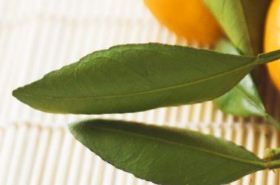
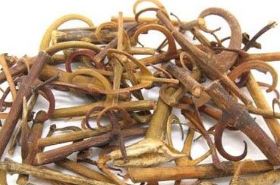
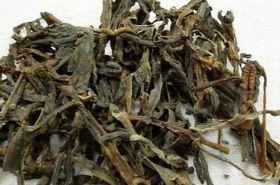
When it comes to their characteristics, TCM practitioners describe kumquat leaves as having a pungent and slightly bitter taste, with a mildly cool nature, and they are considered non-toxic. They are believed to influence the Liver, Spleen, and Lung meridians, meaning they primarily interact with and support the functions associated with these organ systems in TCM. Typically, you'll find these dried leaves rolled into a tubular shape. They often have a natural sheen, starting green on both sides and gradually shifting to yellow or gray over time, all while maintaining a distinct aromatic fragrance.
How to Use Kumquat Leaves
For internal use, kumquat leaves are typically prepared as a decoction, essentially a strong herbal tea. The recommended dosage for this preparation is usually between 3 to 9 grams (traditionally 1 to 3 qian). To prepare the leaves for medicinal use, they are harvested during the spring, summer, or autumn seasons. After harvesting, the leaf stalks are carefully removed, and the leaves are then sun-dried.
Kumquat Leaves: Benefits & Indications
So, what can these leaves do for your well-being? In TCM, kumquat leaves are valued for their ability to:
- Soothe the Liver and Alleviate Stagnation: This means they help promote the smooth flow of vital energy (Qi) in the body, particularly related to the Liver system, which in TCM governs emotional well-being and detoxification. When Liver Qi is stuck, it can lead to feelings of frustration, irritability, or even a sensation of a lump in the throat, known as "plum pit Qi" [1]. This concept of harmonizing Liver Qi is a cornerstone of TCM for emotional and physical balance.
- Regulate Qi and Dissipate Lumps: By effectively moving Qi, kumquat leaves are also believed to help break down accumulations and resolve various types of masses or nodules in the body, reflecting a traditional understanding of resolving internal blockages [2].
Because of these actions, kumquat leaves are traditionally used to address a range of conditions, including:
- Globus Hystericus (Plum Pit Qi): That uncomfortable sensation of a lump in the throat, even when nothing is physically there, often linked to emotional stress and Liver Qi stagnation.
- Scrofula: A traditional term for swollen lymph nodes, especially in the neck, often associated with chronic inflammation or infection.
- Breast Lumps and Tenderness: Various benign masses or discomfort in the breast tissue.
- Mastitis: Inflammation of the breast, often painful, which can occur during breastfeeding, where TCM has a long history of supportive herbal treatments [3].
Important Considerations & Contraindications
While kumquat leaves offer several potential benefits, it's always wise to be aware of traditional warnings. The classical text, Bencao Zaixin (New Edition of Materia Medica), cautions that "excessive use scatters Qi." This means using too much or for too long might deplete or disrupt the body's vital energy, rather than harmonizing it. Therefore, it's crucial to adhere to recommended dosages and always consult with a qualified Traditional Chinese Medicine practitioner before incorporating kumquat leaves into your health regimen, especially if you have existing health conditions or are taking other medications.
Quick Check: Could Kumquat Leaves Be For You?
In 3 Seconds:
- Do you often feel a persistent "lump in your throat" that isn't food (Globus Hystericus)?
- Are you experiencing unexplained breast tenderness or noticing minor, benign breast lumps?
- Do you frequently feel irritable, emotionally "stuck," or easily frustrated?
Then in 30 Seconds, Here's Your Next Step:
If you nodded yes to any of these, your body might be signaling some Liver Qi stagnation! While kumquat leaves offer traditional support, remember that self-diagnosis isn't the answer. Immediately consult a qualified Traditional Chinese Medicine (TCM) practitioner. They can provide a personalized assessment and recommend the right approach, ensuring safe and effective care tailored to your unique needs. Don't wait to address your well-being!
References
- This research reviews TCM's approach to conditions often associated with emotional disharmony and Qi stagnation, underscoring the holistic view of mental and physical health. PMID: 35017559
- Research on citrus components demonstrates anti-inflammatory and immunomodulatory activities, which can relate to traditional uses for resolving bodily accumulations and swellings. PMID: 32675768
- This systematic review highlights the efficacy and safety of traditional Chinese herbal medicine in the treatment of acute mastitis, providing evidence for its historical use. PMID: 30141975
For informational purposes only. Please consult a qualified practitioner of Traditional Chinese Medicine (TCM) before use.