Jincai Cao
Often known as "Coin Grass" in English due to its distinctive leaf shape, Jincai Cao (scientific name: Lysimachia christinae Hance) is a revered herb in Traditional Chinese Medicine (TCM). It's widely recognized for its detoxifying and diuretic properties, playing a key role in supporting urinary tract health and addressing certain inflammatory conditions. If you're curious about natural approaches to wellness, Jincai Cao offers a fascinating glimpse into the world of herbal remedies.
Aliases
You might hear Jincai Cao referred to by several other names, reflecting its appearance or common uses. These include "Large Coin Grass," "Opposing-Leaf Herb," "Roadside Yellow," "Yellow All Over," "Copper Coin Grass," and "String of Coins."
Flavor and Energetic Properties
In TCM, Jincai Cao is characterized by its sweet and salty flavor, and a slightly cold energetic nature. This combination is believed to help clear heat and drain dampness from the body.
Meridian Tropism
This herb is understood to primarily influence the Liver, Gallbladder, Kidney, and Bladder meridians. This tropism guides its therapeutic actions, making it particularly effective for conditions related to these organ systems.
Medicinal Part
The dried whole herb of Lysimachia christinae Hance, a plant belonging to the Primulaceae family, is the part used for medicinal purposes.
Morphological Characteristics
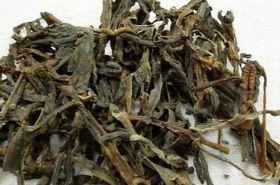
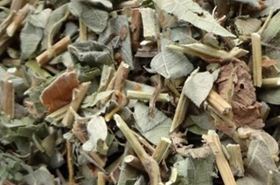
Jincai Cao typically forms tangled clumps, with stems that are twisted and appear brown or dark reddish-brown, often showing vertical striations. The lower stem nodes may sometimes have fibrous roots, and the cross-section is solid. Its leaves grow opposite one another, frequently appearing wrinkled, but flatten out to a broad ovate or heart shape, measuring 1-4 cm long and 1-5 cm wide, with a slightly indented base and entire margins. The upper surface is grayish-green or brownish, while the underside is lighter in color, featuring prominently raised main veins. When soaked in water and held up to light, you can often see black or brown streaks. The leaf stalks are 1-4 cm long. Sometimes, the plant includes yellow flowers, which grow individually in the leaf axils on long stalks. The fruit is a spherical capsule. The herb has a faint aroma and a mild taste.
Jincai Cao Usage and Dosage
Dosage
The typical dosage ranges from 15 to 60 grams.
Preparation
To prepare Jincai Cao, first remove any impurities. Then, quickly rinse it with water, cut it into sections, and dry it.
Jincai Cao Efficacy and Indications
Efficacy
Jincai Cao is valued for its ability to drain dampness and relieve jaundice, promote urination and clear painful urinary conditions, and detoxify the body while reducing swelling. Its potent diuretic properties are well-documented, supporting its traditional use in conditions involving fluid retention and urinary issues (PMID: 29092404).
Indications
This versatile herb is traditionally used for a range of conditions, including:
- Damp-heat jaundice: Conditions where excessive dampness and heat accumulate, leading to yellowing of the skin and eyes. Research highlights its hepatoprotective effects, which are beneficial for liver health (PMID: 29219661).
- Gallbladder distention and hypochondriac pain: Discomfort and pain in the upper right abdomen, often associated with gallbladder issues.
- Urinary stones (Urolithiasis) and painful urination due to heat: Its ability to promote urination makes it a go-to for clearing urinary stones and easing burning or painful urination caused by heat.
- Painful and difficult urination: Helping to alleviate discomfort and frequency associated with urinary tract irritation.
- Boils, carbuncles, and skin sores: Applied topically or taken internally, its detoxifying and anti-inflammatory properties can aid in resolving skin infections and swellings (PMID: 30130836).
- Snake and insect bites: Traditionally used to help neutralize toxins and reduce local swelling from bites.
3-Second Self-Test & 30-Second Self-Help
If... you've been experiencing nagging discomfort in your lower back or sides, along with frequent, painful, or cloudy urination,
Then... it might be a sign of urinary tract irritation or even early-stage stone formation. While Jincai Cao is a traditional remedy for such issues, it's crucial to get a proper diagnosis.
Immediately... consider increasing your water intake significantly and consulting with a healthcare professional or a qualified TCM practitioner. They can provide accurate guidance and explore if Jincai Cao, or other appropriate treatments, are right for your specific situation. This isn't a substitute for professional medical advice, but a prompt step towards understanding your body's signals!
For informational purposes only. Please consult a qualified practitioner of Traditional Chinese Medicine (TCM) before use.
References
Inhibitory effect of Lysimachia christinae Hance on calcium oxalate kidney stone formation: PMID: 29092404
Hepatoprotective effects of Lysimachia christinae on CCl4-induced liver injury: PMID: 29219661
Immunomodulatory and anti-inflammatory activities of Lysimachia christinae Hance extracts: PMID: 30130836