Yinchen (Capillary Wormwood)
Also Known As: Mian Yinchen (Cottony Capillary Wormwood), Yinchenhao, Baihao (White Wormwood).
Taste and Nature: Bitter, pungent, slightly cold.
Meridian Tropism: Enters the Spleen, Stomach, Liver, and Gallbladder meridians.
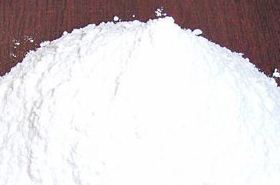
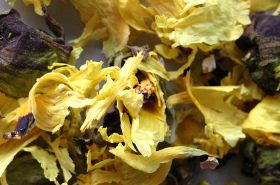
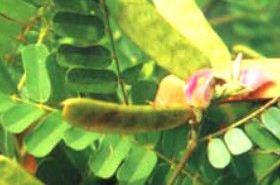
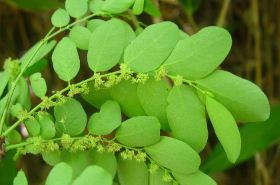
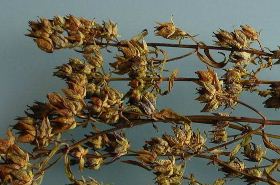
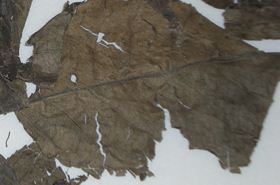
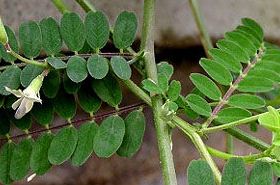
Medicinal Part: This herb consists of the dried aerial parts of Artemisia scoparia Waldst.et Kit. or Artemisia capillaris Thunb., both plants belonging to the Asteraceae (daisy) family.
How to Use Yinchen and Its Dosage
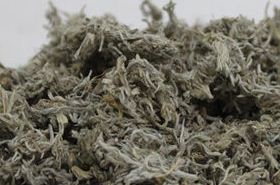
Usage: Typically, 6 to 15 grams are used for internal decoction. For external application, an appropriate amount can be decocted for washing or fumigation.
Preparation: To prepare Yinchen, residual roots and impurities are removed. It is then rubbed or cut into smaller pieces. For Mian Yinchen, any dust and fine particles are sifted out.
Functions and Main Indications of Yinchen
Functions: Yinchen primarily works to clear and eliminate damp-heat, promote bile flow, and reduce jaundice.
Indications: It is commonly used for jaundice accompanied by scanty urine, damp-warmth syndromes, summer-dampness conditions, and damp skin lesions that cause itching.
For a deeper understanding of how Yinchen functions, research indicates its active compounds can interfere with bilirubin transport, which is key in treating jaundice.
(PMID: 30146313)
Traditional Combinations and Formulas with Yinchen
Here are some classic formulas featuring Yinchen, as described in ancient texts:
- From "Treatise on Cold Damage (Shang Han Lun)": Yinchen, Gardenia (Zhizi), and Rhubarb (Dahuang). This combination is used to treat cases of cold damage (shang han) where, after eight or nine days, the body turns yellow like an orange, with difficulty in urination and slight abdominal fullness.
-
From "Essentials of the Jade Mechanism (Yu Ji Wei Yi)": Yinchen, Aconite (Fuzi), Dried Ginger (Ganjiang), and Prepared Licorice (Zhi Gancao). This formula addresses "cold-damp yin jaundice" characterized by cold hands and feet, a deep, faint, and thready pulse, among other symptoms.
Safety Alert: Aconite (Fuzi) is a potent herb that can be toxic if not properly prepared and dosed. Always consult a qualified TCM practitioner before using formulas containing Aconite.
Yinchen's hepatoprotective effects are also noted, showing its potential to support liver health in various conditions. (PMID: 29097782) - "Yinchen Soup (Yinchen Geng)" from "Dietary Therapy for Medical Illnesses (Shi Yi Xin Jing)": This soup is said to clear excessive heat, treat jaundice, alleviate headaches from cold damage, combat wind-heat malaria, and promote urination. It's prepared by finely chopping Yinchen and cooking it into a soup. It can also be consumed raw.
Precautions and Contraindications for Yinchen
Use Yinchen with caution in individuals experiencing jaundice due to blood stasis, and those with a pale-yellow complexion or jaundice stemming from blood deficiency.
Historical Perspectives and Related Discussions on Yinchen
Here's what some revered TCM texts have to say about Yinchen:
- From "Commentary on the Classic of Materia Medica (Ben Cao Jing Shu)": "Yinchen addresses wind-damp-cold and heat, pathogenic heat accumulation, jaundice, whole-body yellowing, difficult urination, and head heat. These are all conditions arising from damp-heat in the Yangming and Taiyin meridians. Its bitter and cold nature can dry dampness and clear heat. Once damp-heat is removed, all symptoms naturally recede. It is a crucial herb for eliminating dampness and dispelling heat congestion."
- From "Summary of Materia Medica Research (Ben Cao Gou Shu Yuan)": "Yinchen uniquely facilitates renewal and the expulsion of old pathogens, differing from other herbs that target damp-heat. Its remarkable efficacy in seeping out and eliminating pathogens is particularly unmatched."
- From "Illustrated Materia Medica (Ben Cao Tu Jie)": "Jaundice can be categorized into two types: Yin and Yang. Yinchen, when combined with Gardenia and Phellodendron (Huang Bai), treats Yang jaundice. When combined with Aconite and Dried Ginger, it treats Yin jaundice. In essence, Yinchen serves as the principal herb, guiding the secondary herbs (minister, assistant, envoy) to manage the Yin or Yang aspects of jaundice."
-
From "Miscellaneous Records of Famous Physicians (Ming Yi Bie Lu)": "Yinchen grows on Mount Tai and on hillsides and riverbanks. It is gathered in May and during the beginning of autumn, then dried in the shade. It treats whole-body yellowing, difficult urination, clears head heat, and removes hidden abdominal masses."
Modern meta-analyses have also explored the effectiveness of Yinchenhao Decoction in treating hyperbilirubinemia, reinforcing its traditional use. (PMID: 36767784)
Quick Self-Check & Immediate Steps!
If you've been feeling unusually tired, notice a yellowish tint to your skin or eyes, and your urine appears darker than usual, then you might be experiencing symptoms of jaundice or damp-heat accumulation. Immediately consult your healthcare provider or a qualified TCM practitioner to get a proper diagnosis and treatment plan. Don't self-diagnose or delay seeking professional advice, especially when dealing with liver or damp-heat imbalances.
References
Yinchen's active compounds show promise in inhibiting bilirubin uptake and transport, offering a scientific basis for its use in jaundice treatment. PMID: 30146313
Studies suggest Yinchen extract may offer hepatoprotective and anti-inflammatory benefits, supporting liver health. PMID: 29097782
Systematic reviews and meta-analyses support the traditional use of Yinchenhao Decoction for hyperbilirubinemia. PMID: 36767784
For informational purposes only. Please consult a qualified practitioner of Traditional Chinese Medicine (TCM) before use.