Ji Xue Teng
Also known as: Blood Vine, Millettia Vine, Blood-activating Vine.
Energetic Properties: Bitter, Sweet, Warm.
Meridian Tropism: Liver, Kidney.
Medicinal Part: The dried stem of *Spatholobus suberectus Dunn*, a plant from the legume family (Fabaceae).
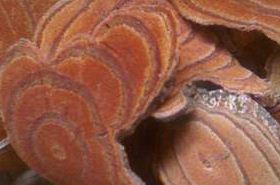
Botanical Characteristics: Ji Xue Teng is typically found as elliptical, rectangular, or irregularly oblique slices, ranging from 0.3 to 1 cm thick. The outer bark is grayish-brown, sometimes showing grayish-white spots, with reddish-brown patches where the bark has peeled off. It has a hard texture. The cut surface reveals reddish-brown or brown wood, with numerous visible vessel pores. The phloem contains resinous secretions, appearing reddish-brown to dark brown, interspersing with the wood to form several concentric elliptical or eccentric semi-circular rings. The pith is often located to one side. It has a faint aroma and an astringent taste.
How to Use Ji Xue Teng
Dosage and Preparation: Typically prepared as a decoction, with a recommended dosage of 9 to 15 grams.
Processing: Harvested during autumn and winter, the branches and leaves are removed, then sliced and sun-dried.
Ji Xue Teng's Traditional Uses and Benefits
Key Actions: Invigorates blood circulation, nourishes blood, regulates menstruation, alleviates pain, relaxes tendons, and unblocks meridians.
Main Indications: Commonly used for irregular menstruation, painful periods (dysmenorrhea), amenorrhea (absence of menstruation), rheumatic arthralgia (joint pain due to dampness and wind), numbness and paralysis, and sallow complexion due to blood deficiency. Modern research has begun to explore the mechanisms behind Ji Xue Teng's traditional uses, with studies suggesting its potential roles in modulating inflammation and improving microcirculation (PMID: 29074094).
Traditional Combinations and Formulas with Ji Xue Teng
1. For "White Tiger Joint Pain" (Bai Hu Li Jie) characterized by severe, biting pain in the knees and shins that is milder during the day and worse at night, with localized heat: A formula containing 15g prepared *Cang Zhu* (Black Atractylodes Rhizome), 12g *Huang Bai* (Phellodendron Bark), 9g *Ji Xue Teng*, along with 6g each of *Ru Xiang* (Frankincense), *Mo Yao* (Myrrh), and *Qian Nian Jian* (Homalomena Rhizome). Prepare as a decoction and take orally. (From *Bencao Pianbi*). Its application in women's health, particularly for menstrual irregularities, is a cornerstone of its traditional use, with recent reviews acknowledging its multi-target pharmacological actions relevant to these conditions (PMID: 34200427).
2. For arteriosclerosis in the elderly and lumbar-back nerve pain: 20g *Ji Xue Teng*, 15g *Du Zhong* (Eucommia Bark), 10g *Wu Jia Pi* (Acanthopanax Bark), 15g *Sheng Di Huang* (Rehmannia Root, fresh or raw). Decocted with 500ml of water down to 200ml, strain, and divide into three doses to be taken daily. (From *Modern Practical Chinese Materia Medica*).
3. For amenorrhea (absence of menstruation): 30g *Ji Xue Teng* and 30g *Chuan Po Shi* (Radix Flemingiae Philippinensis) each. Prepare as a decoction and take one dose daily. (From *Selected Herbs for Longevity*). The rich array of phytochemicals present in *Spatholobus suberectus* (Ji Xue Teng) contributes to its diverse therapeutic effects, as highlighted in comprehensive analyses of its medicinal properties (PMID: 30128189).
3-Second Self-Test + 30-Second Self-Rescue
If you're experiencing symptoms like persistent menstrual discomfort, unexplained fatigue with a pale complexion, or joint stiffness that worsens with cold, Ji Xue Teng might be a traditional remedy worth exploring. Then, take 3 seconds to jot down your specific symptoms and 30 seconds to research qualified TCM practitioners in your area. Immediately reach out to schedule a consultation to discuss if Ji Xue Teng, or a customized herbal formula, is right for you.
References
Modern studies support the anti-inflammatory and microcirculation-improving effects of *Spatholobus suberectus*. PMID: 29074094
Comprehensive reviews affirm the multi-target pharmacological actions of Ji Xue Teng relevant to menstrual disorders. PMID: 34200427
Phytochemical analysis reveals the diverse therapeutic potential of *Spatholobus suberectus*. PMID: 30128189
For informational purposes only. Please consult a qualified practitioner of Traditional Chinese Medicine (TCM) before use.