Hovenia Dulcis
Ever heard of Hovenia Dulcis? You might know it by a different name, as this amazing plant boasts a long list of aliases. In Traditional Chinese Medicine (TCM), it's a well-regarded herb, primarily prized for its unique seeds.
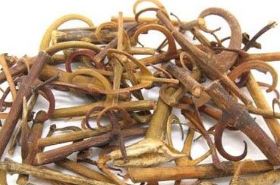
Common Aliases: Wood Honey (《诗疏》), Tree Honey, Wood Malt (《古今注》), White Stone Wood Seed (《荆楚岁时记》), Sweet Qu Lǜ (《太平广记》), Chicken Spur Seed, Leper's Finger (《苏沈良方》), Jiān Gǒng (《埤雅》), Bei Hongzi, Jian Qiong (《朱子大全》), Turning Jujube (《救荒本草》), Heavenly Vine, Rejuvenation Vine (《滇南本草》), Wood Coral, Chicken's Claw, Chicken Orange Seed, Knotted Seed, Cao Gong's Claw, Thorny Goji (《纲目》), White Stone Date (《医林纂要·药性》), Longevity Fruit (《药物出产辨》), Chicken's Claw Pear, Sweet Midnight, Dragon's Claw (《中国树木分类学》), Bi Jiuzi (《广州植物志》), Golden Hook, Sour Jujube (《江苏植物药材志》), Chicken's Claw Fruit (《南宁市药物志》), Zao (《中药志》), Turning Button Seed (江西《草药手册》), Chicken's Foot Claw, Swastika Fruit, Orange Twist Seed, Nine Twists (《全国中草药手册》), Golden Ring Seed (《浙江药用植物志》).
Flavor and Nature: Sweet in flavor, neutral in nature.
Meridian Tropism: Primarily enters the Stomach meridian.
Medicinal Part: The mature seeds of Hovenia dulcis Thunnb. (Northern Hovenia), Hovenia acerba Lindl. (Hovenia), and Hovenia trichocarpa Chun et Tsiang (Hairy-fruited Hovenia), all belonging to the Rhamnaceae family.
Morphological Characteristics:
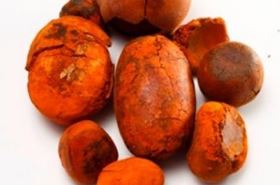
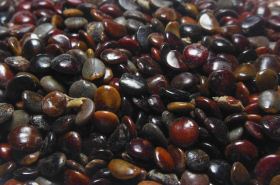
- Northern Hovenia (Hovenia dulcis): The seeds are flat and roundish, slightly raised on the dorsal side and flatter on the ventral side, typically 3-5mm in diameter and 1-1.5mm thick. Their surface varies from reddish-brown, dark brown, to greenish-brown, and they have a glossy appearance. Under magnification, you might notice scattered depressions. At the base, there's a concave area with a light-colored dot marking the hilum, and at the apex, a slightly concave chalaza. The ventral side features a longitudinal ridge. The seed coat is hard, while the endosperm is white, and the cotyledons are pale yellow, thick, and rich in oil. The seeds have a faint aroma and a slightly astringent taste.
- Hovenia (Hovenia acerba): These seeds are dark brown or blackish-purple, measuring 3.2-4.5mm in diameter.
- Hairy-fruited Hovenia (Hovenia trichocarpa): Seeds are black, blackish-purple, or brown, nearly round, and 4-5.5mm in diameter. The ventral side often has a ridge in the middle, and sometimes the dorsal side exhibits papilla-like protrusions. In regions like Guangdong and Guangxi, the fleshy peduncle (flower stalk) is sometimes used along with the seeds. Generally, plump and glossy seeds are considered the best quality.
How to Use Hovenia Dulcis Seeds
Usage: For oral administration, typically decocted in water. The recommended dosage is 6-15g. Alternatively, it can be steeped in wine and consumed.
Functions and Indications of Hovenia Dulcis Seeds
Functions: This herb is traditionally used to detoxify alcohol, quench thirst and calm agitation, stop vomiting, and promote healthy urination and bowel movements.
Indications: Hovenia Dulcis is commonly indicated for conditions such as alcohol intoxication, severe thirst accompanied by restlessness, vomiting, and difficulty with urination or bowel movements.
Pharmacological Actions of Hovenia Dulcis Seeds
Modern research has shed light on some of the potential scientific mechanisms behind Hovenia Dulcis's traditional uses. Studies suggest several key pharmacological actions:
- Central Inhibitory Effect: There is evidence to suggest that compounds in Hovenia Dulcis may exert calming effects on the central nervous system. This might contribute to its traditional use in alleviating restlessness associated with thirst or hangovers.
- Hypotensive Effect: Research indicates a potential for blood pressure-lowering properties, which could be beneficial for cardiovascular health.
- Anti-lipid Peroxidation: Hovenia Dulcis has shown antioxidant activity, helping to combat oxidative stress and protect cells from damage caused by lipid peroxidation, a process often implicated in various health issues and organ damage, including liver protection during alcohol consumption (PMID: 26046048).
Traditional Combinations with Hovenia Dulcis
In TCM, herbs are often combined to enhance their effects or address complex conditions. Here are a few traditional formulas featuring Hovenia Dulcis:
- For severe alcohol-induced heat accumulation: To treat excessive alcohol consumption leading to severe heat accumulation, affecting the internal organs, causing dryness of body fluids, blood stasis, frequent urination, muscle wasting, and an exclusive craving for cold foods and drinks. Combine 60g (2 liang) of Hovenia Dulcis seeds with 3g (1 qian) of musk. Grind into a fine powder, form into pills with a flour paste (size of a Wutong seed). Take 30 pills on an empty stomach with warm salted water. (From "Shi Yi De Xiao Fang" - Hovenia Dulcis Pill)
- For acute alcohol intoxication: For immediate relief from drunkenness, use 30g of fresh Hovenia Dulcis (拐枣) boiled in water and consumed cold. Alternatively, take 12g of crushed Hovenia Dulcis seeds with 9g of Kudzu Flower (葛花), decocted in water and consumed cold. (From "Anhui Zhong Cao Yao" - Anhui Chinese Herbal Medicine)
- For heat-induced thirst and urinary difficulty: To address thirst and restlessness caused by a heat illness, along with difficulty in urination, combine 9g each of Hovenia Dulcis seeds and Anemarrhena Rhizome (知母), 24g of Honeysuckle Flower (金银花), and 3g of Rush Pith (灯心). Decoct in water for oral administration. (From "Qingdao Zhong Cao Yao Shou Ce" - Qingdao Chinese Herbal Medicine Handbook)
- For summer heat exhaustion with thirst and scanty urine: To treat vexing thirst, dizziness, and scanty urine due to summer heat injury, combine 30g each of Hovenia Dulcis seeds and Bamboo Leaf (竹叶). Decoct in water for oral administration. (From "Huashan Yao Wu Zhi" - Huashan Materia Medica)
Historical Insights on Hovenia Dulcis
The wisdom of TCM often comes from centuries of observation and practice. Here's what some historical texts have to say about Hovenia Dulcis:
- From "Shi Liao Ben Cao" (Dietary Materia Medica): "In ancient times, a southerner was repairing his house where this tree grew. A piece of the wood accidentally fell into a wine jar, and the wine turned into water." This anecdote highlights the plant's traditional association with detoxifying alcohol.
- From "Ben Cao Shi Yi" (Supplement to Materia Medica): "The Wood Honey tree grows in the south. People call it White Stone Wood. Its branches and leaves are both sweet. Young leaves can be eaten raw, tasting like honey. Older branches, when finely broken and decocted, produce a juice that turns into honey, which is exceedingly sweet. It also quenches thirst and calms agitation." This further supports its sweet nature and ability to relieve thirst.
Quick Self-Check & Self-Care
Feeling a bit off after a night out or just generally restless and thirsty?
- If you're experiencing excessive thirst, a headache from a few too many drinks, or a general feeling of agitation that you think might be related to heat, then consider if Hovenia Dulcis might be supportive.
- Immediately ensure you're hydrating well with plain water. If your symptoms are persistent or severe, or you're unsure, it's always best to seek professional advice.
References
Hovenia Dulcis has been extensively studied for its potential health benefits, particularly regarding alcohol metabolism and antioxidant properties:
This review article provides a comprehensive overview of Hovenia dulcis's pharmacological properties and traditional uses, including its effects on alcohol intoxication. PMID: 33762699
This study specifically investigates the pharmacological effects of Hovenia dulcis on alcohol intoxication, offering insights into its detoxifying potential. PMID: 36768652
Research indicates the antioxidant and hepatoprotective effects of Hovenia dulcis fruit extract, suggesting its role in combating oxidative stress and protecting liver health. PMID: 26046048
For informational purposes only. Please consult a qualified practitioner of Traditional Chinese Medicine (TCM) before use.