Hanzhong Fangji
Alias: Qingmuxiang (Shaanxi Province).
Properties (Taste and Nature): Bitter, pungent, and cold.
Meridian Tropism: Spleen, Kidney, and Bladder meridians.
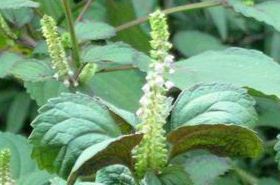
Medicinal Part: The root of *Aristolochia heterophylla Hemsl.*, a plant belonging to the *Aristolochia* genus within the Aristolochiaceae family.
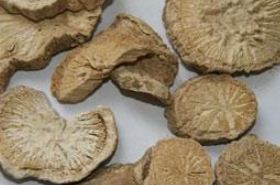
Morphological Characteristics: The root is cylindrical and often curved, typically measuring 4-15 cm in length and 1.5-3 cm in diameter. Its surface is a pale yellowish-brown, with grayish-brown remnants of periderm (outer bark). The texture is firm and not easily broken. When cut, the cross-section appears yellowish-white and powdery, featuring a relatively thick cortex. The woody part reveals distinct radial, spoke-like patterns that branch dichotomously (into two) or trichotomously (into three) from the center outwards. The dry herb has a faint aroma, while fresh roots emit a distinctive fragrance, and the taste is bitter and astringent.
Dosage and Administration of Hanzhong Fangji
Dosage: Typically 5-10g.
Preparation Method: The roots are harvested in spring and autumn, then thoroughly washed and sun-dried.
Efficacy and Indications of Hanzhong Fangji
Efficacy: Traditionally known to dispel wind and alleviate pain, as well as clear heat and promote urination. In TCM, the principle of "dispelling wind and alleviating pain" is commonly applied to address musculoskeletal discomfort and rheumatic conditions, often involving herbs with analgesic and anti-inflammatory effects. PMID: 30678229
Indications: It's traditionally indicated for conditions such as rheumatic joint pain, difficulty urinating (oliguria), generalized edema, and damp swelling of the feet (often associated with 'beriberi' in TCM contexts).
Contraindications and Warnings for Hanzhong Fangji
Hanzhong Fangji, while traditionally used in TCM, comes with significant safety considerations that cannot be overstated. Due to its bitter and cold properties, taking excessive amounts may disrupt your stomach's vital energy, potentially leading to digestive discomfort and loss of appetite. Individuals with a generally weak constitution or those with Yin deficiency symptoms should approach this herb with extreme caution. Recognizing individual constitutional differences, TCM emphasizes personalized treatment, particularly advising caution for those with underlying deficiencies like Yin deficiency, to prevent adverse effects from cold-natured herbs. PMID: 29312151
CRITICAL WARNING: This herb contains Aristolochic Acid. This compound is known to be highly toxic and has been linked to severe kidney damage, including irreversible renal failure, and certain types of cancer. Studies have widely documented the severe nephrotoxicity and carcinogenicity of aristolochic acids found in certain botanicals, emphasizing the critical need for caution and proper identification of herbs to prevent Aristolochic Acid Nephropathy (AAN). PMID: 28383214
Under no circumstances should Hanzhong Fangji be consumed without explicit guidance and supervision from a qualified and licensed Traditional Chinese Medicine practitioner. It is absolutely essential to discuss any underlying health conditions, especially kidney-related issues, with your healthcare provider before considering this or any other herbal remedy.
Furthermore, Hanzhong Fangji is strictly contraindicated for pregnant women due to potential risks to fetal development and maternal health. Always consult with a healthcare professional before using any herbal medicine, especially if you are pregnant, nursing, or have a pre-existing medical condition.
Quick Check: Could Hanzhong Fangji's Traditional Uses Align with Your Needs?
- If you're experiencing persistent joint stiffness, pain that seems worse in damp or cold weather, or notice swelling in your lower limbs...
- Then these might be signs of damp-cold accumulation or fluid retention, conditions traditionally addressed by herbs like Hanzhong Fangji.
Immediate Action: What to Do Next?
- Immediately consult with a qualified TCM practitioner or your primary healthcare provider. They can accurately diagnose your condition and advise whether Hanzhong Fangji (or any alternative treatment) is safe and appropriate for you, especially given the crucial warnings about its potential toxicity. Do NOT self-prescribe.
For informational purposes only. Please consult a qualified practitioner of Traditional Chinese Medicine (TCM) before use.