Golden Pea Root: A Traditional Powerhouse for Wellness
Ever heard of Golden Pea Root, botanically known as Caragana sinica? In Traditional Chinese Medicine (TCM), it's a well-respected herb, sometimes referred to by its aliases Jin Ji Er or Golden Pea Flower. This humble root has been a staple in traditional health practices, valued for its unique properties and wide range of uses in promoting balance and vitality.
Its Nature and How It Works
- Aliases: Jin Ji Er, Golden Pea Flower.
- Taste and Nature: Golden Pea Root is described as bitter and pungent, possessing a neutral energetic nature. This balanced profile suggests it generally won't over-cool or over-heat your system.
- Meridian Tropism: It primarily interacts with your Lung and Spleen meridians. In TCM, the Lungs govern respiration and immune function, while the Spleen is crucial for digestion, nutrient absorption, and energy production.
- Medicinal Part: The therapeutic components are found in the root or root bark of the Caragana sinica plant.
What Golden Pea Root Looks Like
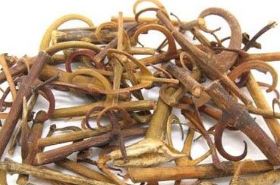
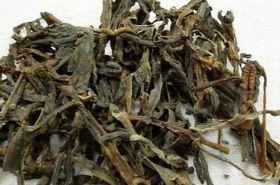
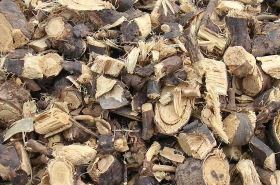
The root typically presents as cylindrical. When the cork layer (outer bark) is still intact, it appears brownish with prominent longitudinal wrinkles and scattered, irregular transverse lines. Once peeled, it often becomes a pale yellow, sometimes marked by horizontal cracks. The root bark is commonly found as single coiled strips or block-like pieces, usually ranging from 12 to over 20 centimeters in length, about 1 to 2.5 centimeters in diameter, and 3 to 7 millimeters thick. One side of the coiled strip usually exhibits a longitudinal split, revealing a light brown inner surface. Its texture is firm and tough. The cross-section is white to slightly yellowish, with a somewhat fleshy feel and numerous fibers. It tastes bitter. For optimal quality, the root bark should be thick, slightly yellowish internally, whole, and free from breakage.
How to Use Golden Pea Root
- Internal Use: Most commonly prepared as a decoction (boiled in water). The recommended dosage is typically 9 to 15 grams.
- External Use: It can be processed by pounding into a paste and applied topically as a poultice to the affected area.
The Amazing Benefits of Golden Pea Root
Golden Pea Root is highly regarded in TCM for its ability to clear Lung heat, strengthen Spleen function, invigorate blood, and unblock meridians. These actions contribute to overall wellness and support various bodily systems (PMID: 29467727).
What It’s Traditionally Used For:
This root is traditionally indicated for a broad spectrum of conditions, including:
- Consumptive fever arising from deficiency and chronic cough.
- High blood pressure (hypertension) (PMID: 32629672).
- Various women's health concerns such as leukorrhea (excessive vaginal discharge) and metrorrhagia (heavy uterine bleeding).
- Joint pain and arthralgia, including symptoms often associated with gout (PMID: 35276326).
- Traumatic injuries and bruises.
Traditional Formulas Featuring Golden Pea Root
Here are some traditional applications, showcasing its versatility in TCM:
- For White Discharge due to Spleen and Kidney Deficiency, Consumptive Injury with Blood Deficiency leading to Wind, and Damp-Heat Itching: Stew Golden Pea Root bark with chicken and consume. (From "Chongqing Herbal Medicine")
- For Hypertension: Wash and peel fresh Golden Pea Root, then slice it. Use either fresh or dried material, typically 24-30 grams daily. Prepare a decoction, extract the juice, add an appropriate amount of white sugar, and consume in three divided doses throughout the day. (From "Selected Exhibitions of Internal Medicine")
- For Irregular Menstrual Bleeding: Combine Golden Pea Root with Codonopsis root (Dang Shen). Prepare a decoction and consume. (From "Nanjing Folk Herbal Medicine")
- For Leukorrhea (Vaginal Discharge):
- Golden Pea Root with brown sugar, decocted and consumed. (From "Nanjing Folk Herbal Medicine")
- Golden Pea Root bark, White Cockscomb Flower (Bai Ji Guan Hua), and Achyranthes root (Niu Xi). Stir-fry all ingredients together with vinegar, then add equal parts water and vinegar. Decocted until reduced to half a small bowl, then taken three times a day in divided doses. (From "Sichuan Chinese Materia Medica")
- For Metrorrhagia (Heavy Uterine Bleeding): Steam Golden Pea Root bark with Thorny Aralia root (Ci Lao Bao Gen) and consume with sweet fermented rice wine. (From "Sichuan Chinese Materia Medica")
- For Joint Wind-Damp Pain: Take 30-60 grams of Golden Pea Root with one pig trotters. Stew with equal parts wine and water until cooked, then consume. (From "Fujian Folk Herbal Medicine")
- For Traumatic Injuries: Pound Golden Pea Root to extract its juice, mix with wine, and consume. Apply the leftover dregs directly to the injured area as a poultice. (From "Wan Shi Jia Chao Fang")
Quick Check-in: Could Golden Pea Root Support You?
Take 3 seconds for a quick self-assessment, then discover a potential 30-second natural self-care thought:
- If you often feel run-down, frequently experience a cough, or your digestion feels sluggish: Then your Lung and Spleen meridians might need a little extra TLC. Consider exploring traditional remedies that aim to clear Lung heat and strengthen Spleen function.
- If you experience stiffness or discomfort in your joints, or notice occasional swelling, especially in damp or cold weather: Then invigorating blood and unblocking meridians, as Golden Pea Root is traditionally known to do, could be a pathway to exploring relief.
- If you're a woman dealing with irregular periods, excessive discharge, or feel generally weak and depleted: Then traditional approaches focusing on balancing vital energy and blood flow, and strengthening internal organs, might offer valuable support.
References
- Comprehensive review of Caragana sinica's traditional uses, phytochemistry, and pharmacology. PMID: 29467727
- Antihypertensive effects of compounds isolated from Caragana sinica. PMID: 32629672
- The effect of Caragana sinica on inflammatory arthritis: A systematic review and meta-analysis of in vivo studies. PMID: 35276326
For informational purposes only. Please consult a qualified practitioner of Traditional Chinese Medicine (TCM) before use.