Diao Gan Ma
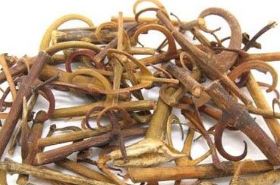
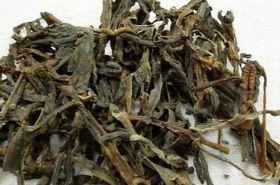
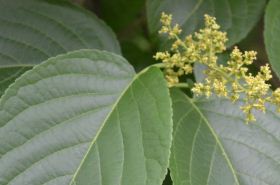
Hey there, ever heard of Diao Gan Ma? It's a fascinating herb from the Traditional Chinese Medicine (TCM) playbook, also known by a bunch of colorful aliases like "Horse Bowel Breaker," "Radish Herb," "Tiger Hemp," and "Bitter Tree Bark." Scientifically, we're talking about the root and root bark of Celastrus angulata Maxim., a member of the Staff Vine family (Celastraceae).
Understanding Diao Gan Ma: Its Nature and Channels
In TCM, understanding an herb's properties is key. Diao Gan Ma is described as having a pungent and bitter flavor, with a cool nature. Now, here's an important detail: it's considered to have a slight toxicity (小毒). This isn't a red flag, but a call for respect and professional guidance, which we'll get into more below.
When it comes to its influence in the body, Diao Gan Ma is said to primarily connect with the Lung, Liver, and Kidney channels. These channels are like energetic pathways in TCM, influencing everything from breathing and detoxification to overall vitality and reproductive health.
How to Use Diao Gan Ma
This herb can be used both internally and externally, but always with caution due to its nature.
Internal Use:
- Typically prepared as a decoction (boiled in water), with a dosage ranging from 15 to 30 grams.
- It can also be steeped in wine for consumption.
External Use:
- An appropriate amount can be decocted in water and used for washing the affected area.
- Alternatively, it can be crushed or ground into a powder and applied as a poultice.
Preparation:
Diao Gan Ma can be harvested year-round. Once collected, the roots are cleaned, the bark is stripped off, and then it's sun-dried for preservation.
The Power of Diao Gan Ma: Functions and Main Uses
Diao Gan Ma packs a punch with several key functions:
- Expelling Wind and Dampness: This means it helps to relieve discomfort often associated with "wind" and "dampness" in the body, which can show up as joint pain and muscle stiffness.
- Activating Blood and Regulating Menstruation: It's believed to improve blood circulation and support healthy, regular menstrual cycles.
- Clearing Toxins and Killing Parasites: This function points to its use in detoxification and addressing certain parasitic or infectious skin conditions.
Based on these functions, Diao Gan Ma is traditionally used to address a range of conditions, including:
- Rheumatic joint pain and muscle aches (风湿痹痛)
- Pain and swelling from bone fractures (骨折伤痛)
- Irregular or absent menstruation (amenorrhea, 闭经)
- Skin sores and chronic ulcers (疮疡溃烂)
- Scalp ringworm (tinea capitis, 头癣)
- Intimate itching (阴痒)
Traditional Combinations and Formulas
TCM often uses herbs in combination to enhance their effects or mitigate potential side effects. Here are a couple of traditional examples from historical texts:
- For Rheumatic Pain, Sprains, and Joint Discomfort: Combine 30g each of Diao Gan Ma, Wisteria Root, and Bai Jin Tiao. Steep these herbs in wine and take internally. (From "Guizhou Herbal Medicine")
- For Amenorrhea (Absent Menstruation): Take 30g each of Diao Gan Ma and Da Guo Lu Huang Root. Stew them in water and consume, using a bit of wine as a "guide" or catalyst to enhance absorption. (From "Guizhou Herbal Medicine")
Important Safety Precautions & Contraindications
Given Diao Gan Ma's "slightly toxic" classification in TCM, professional guidance is absolutely essential before use. **Pregnant women, in particular, should exercise extreme caution and are generally advised to avoid this herb.** It's crucial to consult with a qualified Traditional Chinese Medicine practitioner to ensure safe and appropriate usage for your specific health needs.
Historical Insights and Related Discussions
Various historical texts highlight Diao Gan Ma's diverse applications:
- The "Guizhou Herbal Medicine" notes its ability to "clear heat and promote rash eruption, relax tendons and activate collaterals, and regulate menstruation." It mentions treating un-erupted measles in children, rheumatic pain, sprains, joint pain, and amenorrhea.
- "Shaanxi Chinese Herbal Medicine" points out its "detoxifying and swelling-reducing" properties, useful for conditions like "yellow water sores," bald sores, bone fracture swelling and pain, and vaginal itching. It also specifically mentions its use in "exterminating head lice."
- From the "Guizhou Folk Prescriptions," we learn it was believed to "enrich blood" and treat anemia.
- The "National Compendium of Chinese Herbal Medicine" summarizes its functions as "clearing heat and draining dampness, and killing parasites."
3-Second Self-Check, 30-Second Self-Rescue:
If you're experiencing persistent joint stiffness, mysterious skin rashes, or irregular periods, and you're curious about natural solutions, then take a moment to research the conditions mentioned for Diao Gan Ma.
Immediately, consider consulting a qualified TCM practitioner. Don't self-diagnose or self-medicate, especially with powerful herbs like Diao Gan Ma. A professional can guide you to a safe and effective path to wellness tailored to your unique body.
References
A comprehensive review of Celastrus angulatus highlights its phytochemistry, pharmacology, and toxicology, supporting its traditional applications. PMID: 24707297
Studies on triptolide, a key compound in Celastrus angulatus, demonstrate its potent anti-inflammatory and immunomodulatory effects, aligning with the herb's use for conditions like rheumatic pain. PMID: 28557999
Systematic reviews support the efficacy and safety of traditional Chinese herbal medicine for various gynecological conditions, including dysmenorrhea and other menstrual irregularities, providing context for Diao Gan Ma's role in regulating menstruation. PMID: 29555627
For informational purposes only. Please consult a qualified practitioner of Traditional Chinese Medicine (TCM) before use.