Crucian Carp Head
Hey there, health enthusiasts! Today, we're diving into a lesser-known, but traditionally valued, ingredient in Traditional Chinese Medicine: the humble Crucian Carp Head. You might be surprised by its historical significance and diverse applications.
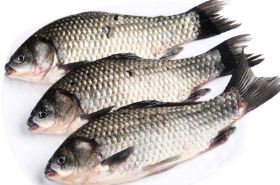
Traditional Properties of Crucian Carp Head
In TCM, understanding an ingredient's core properties is key. For Crucian Carp Head, its traditional profile is quite straightforward:
- Flavor: Sweet
- Nature: Warm
The part specifically utilized for medicinal purposes is, as the name suggests, the head of the crucian carp (Carassius auratus), a common freshwater fish belonging to the carp family.
How to Use Crucian Carp Head (Usage & Dosage)
When it comes to preparing and using Crucian Carp Head in TCM, here’s how it's traditionally done:
- Internal Use: It's usually charred to an ash (a process that preserves its inherent properties) and then ground into a fine powder. The recommended dosage is 1-2 qian (a traditional unit of weight).
- External Use: For topical applications, the charred and powdered head is mixed with a suitable base and applied directly to the affected area.
Preparation: Crucian carp can be caught year-round. The head is carefully cut, thoroughly washed, and then can be used fresh or dried for later processing.
Crucian Carp Head's Benefits & Main Indications
Historically, Crucian Carp Head has been valued for several key actions in TCM:
- Efficacy: It's believed to help relieve coughs, stop dysentery, and promote the healing of sores.
- Main Indications: It's traditionally used to address a range of issues including persistent coughs, dysentery, childhood oral sores (like canker sores), and impetigo (a common bacterial skin infection characterized by yellowish crusts). The principles of TCM often explore natural remedies for respiratory and digestive health, as well as skin conditions. PMID: 35017257, PMID: 34190779. Furthermore, TCM has a long history of addressing various skin concerns and promoting wound healing. PMID: 30848383
Insights from Historical TCM Texts About Crucian Carp Head
Many classic TCM texts have referenced the therapeutic uses of Crucian Carp Head over centuries:
- Tang Materia Medica: States that the ash from the head primarily treats head sores and oral sores in children, along with conditions like "double tongue" and eye film (pterygium).
- Supplement to Materia Medica: Notes its use for coughs, recommending it be burned into a powder and consumed.
- Dian Nan Materia Medica: Mentions that burning it to ash can treat stubborn skin lesions.
- Compendium of Materia Medica: Details its versatile applications:
- Burned, ground, and taken with liquid to treat dysentery.
- Taken with wine to address anal prolapse and uterine prolapse in women; also mixed with oil and applied externally for these conditions.
- Mixed with soy sauce and applied to impetigo on children's faces.
- Revised Materia Medica: Indicates it can help promote the eruption of rashes (historically relevant for conditions like measles or smallpox).
3-Second Self-Check + 30-Second Self-Help
If you're dealing with a persistent, nagging cough, ongoing digestive discomfort like dysentery, or stubborn skin sores that just won't clear up, then it might be time to explore traditional health perspectives. Immediately consider gentle dietary adjustments, hydration, and seeking expert advice on natural approaches to support your body's healing processes.
For informational purposes only. Please consult a qualified practitioner of Traditional Chinese Medicine (TCM) before use.
References
Traditional Chinese Medicine explores natural remedies for respiratory issues. PMID: 35017257
Gut health is a cornerstone of TCM, with various approaches to digestive upset. PMID: 34190779
The principles of TCM extend to topical applications, often leveraging ingredients to soothe and heal skin. PMID: 30848383