Cockroaches
When we think of health, especially in the Western context, certain creatures might not immediately spring to mind as beneficial. Yet, in the rich history of Traditional Chinese Medicine (TCM), even something as seemingly unconventional as the cockroach (yes, you read that right!) has found its place. Far from being just a household pest, specific species of cockroaches have been documented for centuries for their unique therapeutic properties. Let's dive into what TCM says about this intriguing remedy.
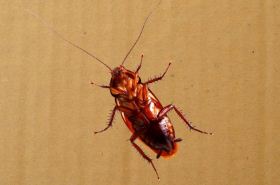
Alternative Names: Feí (from Erya), Feilián (from Bencao Jing), Feizhe (from Guangya), Fupan (commentary by Guo Pu in Erya), Shijiang (Stone Ginger), Huachong (Slippery Insect) (from Xinxiu Bencao), Chapochong (Tea Mother Insect), Xiangniangzi (Fragrant Lady) (from Bencao Gangmu), Zanglang (from Bencao Gangmu), Touyoupo (Oil Stealer) (from Fenlei Caoyao Xing), Jiangchong (Soy Sauce Insect) (from Guizhou Minjian Yaofang Ji).
Flavor and Nature: Salty in flavor, cold in nature.
Meridian Tropism: Enters the Liver, Spleen, and Kidney meridians. In TCM, these meridians govern everything from blood circulation and detoxification to digestion and reproductive health.
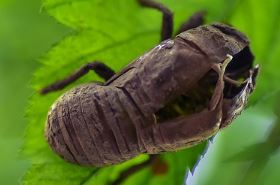
Medicinal Part: The entire body of American Cockroach (Periplaneta americana Linnaeus), Australian Cockroach (Periplaneta australasiae Fabricius), and Oriental Cockroach (Blatta orientalis Linnaeus), all belonging to the family Blattidae. These aren't just any backyard bugs; they are specific species recognized for their medicinal qualities.
Important Note for Readers: While fascinating, it's crucial to understand that using animal-derived products in traditional medicine requires specialized knowledge. Please consult a qualified and licensed Traditional Chinese Medicine (TCM) practitioner before considering any such remedies, as self-medication can be risky and improper preparation or dosage can lead to adverse effects.
Dosage and Administration of Cockroaches in TCM
Internal Use: For internal consumption, it's typically prepared as a decoction (boiled liquid), with a dosage of 0.5-1.5g (or 1-3 individual insects); alternatively, it can be ground into a fine powder.
External Use: For external application, an appropriate amount is pounded into a paste and applied topically as a poultice.
Preparation: Traditionally, the raw medicinal material is cleaned to remove impurities, then baked dry and ground into a fine powder for use.
Functions and Traditional Indications of Cockroaches
Functions: In TCM, cockroaches are traditionally recognized for their ability to dispel blood stasis (散瘀), resolve accumulations (化积), and detoxify (解毒). This means they are thought to help improve circulation, break down abnormal growths or blockages, and neutralize toxins in the body.
Main Indications: They are traditionally indicated for conditions such as abdominal masses and accumulations (症瘕积聚, like fibroids or tumors), childhood malnutrition/malabsorption (小儿疳积), sore throat or pharyngitis (喉痹), mumps or tonsillitis (乳蛾), various types of carbuncles, sores, and toxic swellings (痈疮肿毒), and even insect and snake bites.
Traditional Formulas and Combinations
Here are some traditional formulas where cockroaches are used, showcasing their versatile applications:
1. For treating abdominal distention (臌胀): Take one baked-dry cockroach and a pinch of radish seeds. Fry them together until powdered, then swallow with good wine. (Cited in Bencao Gangmu Shiyi from Zhou Yisheng Jiabao Fang).
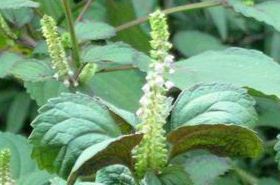
2. For abdominal masses and accumulations (症瘕积聚): Use roasted cockroaches, ground into a powder. Take 1.5g per dose, mixed with a concentrated decoction made from 30g each of Verbena (Horsewhip) and Great Thistle. (Sichuan Zhongyao Zhi, 1982). This traditional application for abdominal masses aligns with some modern research exploring the anti-proliferative effects of cockroach extracts, suggesting potential mechanisms behind its historical use. PMID: 33718049
3. For early stages of childhood malnutrition (儿疳): Take cockroaches, remove their heads, feet, and wings, then bake them dry on a new tile. Administer regularly with food. (Bai Cao Jing). The use in childhood malnutrition might be linked to general restorative or anti-inflammatory properties, which some studies have begun to investigate. PMID: 24701980
4. For unidentifiable toxic swellings (无名肿毒): Take ten cockroaches and a pinch of salt. Pound them together into a paste and apply as a poultice, leaving the "head" (center of the swelling) exposed. (Cihang Huoren Shu).
5. For carbuncles (疔疮): Use seven large cockroaches, remove their heads, feet, and shells. Pound them together with a little sugar into a paste. Apply this paste around the carbuncle, leaving the central "head" exposed. (Bencao Gangmu Shiyi). The external application for various skin issues aligns with modern research suggesting wound-healing and anti-inflammatory properties of cockroach extracts. PMID: 29505509
Contraindications
Contraindication: Pregnant women should avoid using this remedy. This is a common and important warning in TCM for many potent substances.
Historical Accounts and Discussions
1. From the Bencao Jing Jizhu (Collection of Commentaries on the Classic of Materia Medica): “Its form resembles a dung beetle, but it is light and small, capable of flight, and originally found in grasses. In the eighth and ninth months, sensing the cold, many enter people's homes to escape. There are two or three types; those that produce a 'cockroach-ginger' scent are considered genuine. People in the south also consume them.”
2. From the Shu Bencao (Sichuan Materia Medica): “The Illustrated Classic states: People in the mountains of places like Jinzhou and Fangzhou consume it, calling it 'Stone Ginger' (Shijiang). They are often found in clusters of hundreds or tens among the trees.”
References
Review on the Pharmacological Activities of Periplaneta americana (L.) in Traditional Chinese Medicine. PMID: 33718049
Immunomodulatory and anti-inflammatory properties of Periplaneta americana extract. PMID: 24701980
Periplaneta americana extract promotes wound healing through inhibition of inflammatory response. PMID: 29505509
Quick Self-Check & Immediate Action!
If you or a loved one are experiencing persistent, unexplained abdominal discomfort or stubborn skin issues, and are curious about comprehensive, traditional approaches...
Then don't hesitate! Immediately reach out to a certified Traditional Chinese Medicine (TCM) practitioner. They can provide a personalized diagnosis and recommend appropriate, safe, and effective traditional remedies tailored to your unique health profile. Your well-being is worth a professional consultation!
For informational purposes only. Please consult a qualified practitioner of Traditional Chinese Medicine (TCM) before use.