Celandine
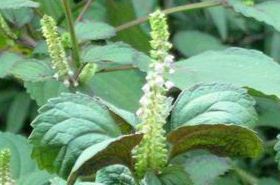
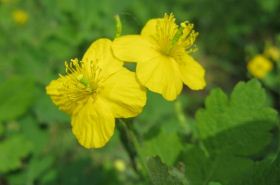
Hey there! Today we're diving into the world of Celandine, a fascinating herb with a long history in Traditional Chinese Medicine (TCM). It's also known as Greater Celandine, and its botanical name is Chelidonium majus L.
Alternate Names:
You might also hear it called Mountain Coptis (山黄连) or, more ominously, Intestine-Breaking Grass (断肠草). These names give you a hint about its potent nature.
Properties and Taste:
Celandine has a bitter taste and a cool temperature. **Important Safety Note: It is toxic.** Due to its inherent toxicity, Celandine should only be used under the strict guidance of a qualified Traditional Chinese Medicine practitioner. Self-medication with this herb is not recommended.
Medicinal Part:
In TCM, we primarily use the whole herb of Chelidonium majus L., which belongs to the Papaveraceae family (that's the poppy family!).
How to Use Celandine
Dosage and Administration:
For internal use, the typical dosage ranges from 1 to 3 Qian (a traditional unit of weight, roughly 3-9 grams). For external application, an appropriate amount is either ground into a powder and mixed into a paste, or simply mashed and applied directly to the affected area.
Preparation:
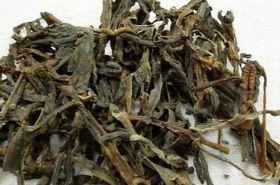
Celandine is typically harvested during its flourishing period. The above-ground parts of the plant are collected, then either sun-dried or used fresh.
Celandine's Efficacy and Indications
Efficacy:
In TCM, Celandine is valued for its ability to clear heat and detoxify, alleviate pain, and relieve coughs.
Indications:
This herb is commonly used to address a range of conditions internally, including gastritis, stomach ulcers, abdominal pain, enteritis, dysentery, jaundice, chronic bronchitis, and whooping cough. When applied topically, it helps treat conditions like paddy field dermatitis and insect bites.
Celandine Combinations (Traditional Formulas)
Here are some traditional uses of Celandine in combination with other herbs:
- **For Edema and Jaundice:** Celandine, Dandelion (蒲公英), Pokeweed (商陆), Stinky Herb Root (臭草根), and Oriental Wormwood (茵陈) are decocted in water for oral administration. (Source: Sichuan Chinese Materia Medica)
- **For Gastrointestinal Pain:** Celandine, Clove (丁香), Cuttlebone (乌贼骨), Fritillaria (浙贝母), Prepared Arisaema (胆南星), and Winter Melon Seed (冬瓜仁) are decocted in water for oral administration. (Source: Sichuan Chinese Materia Medica)
- **For Stubborn Ringworm (Tinea):** Fresh Celandine is steeped in 50% alcohol, and the infused liquid is then used to rub the affected area. (Source: Handbook of Commonly Used Medicinal Herbs in Liaoning)
- **For Sores and Swellings:** Fresh Celandine is mashed and applied topically to the affected area. (Source: Handbook of Commonly Used Medicinal Herbs in Liaoning)
- **For Stomach Pain, Diarrhea with Abdominal Pain, Cough:** 0.5 to 2 Qian of Celandine is decocted in water for oral administration. (Source: Handbook of Commonly Used Medicinal Herbs in Northeast China)
- **For Paddy Field Dermatitis, Insect Bites, Scabies:** Celandine is mashed and applied externally, or an extract paste is made and applied to the affected area. (Source: Handbook of Commonly Used Medicinal Herbs in Northeast China)
Clinical Applications of Celandine
Modern clinical studies and applications have explored Celandine's potential in various health concerns:
- **Treating Whooping Cough (Pertussis):** A 100% syrup was prepared from the whole Celandine plant. Children aged 6 months and under were given 5-8 ml per dose; 6 months to 1 year, 8-10 ml; 1-3 years, 10-15 ml; 3-6 years, 15-29 ml; and over 6 years, 20-30 ml. This was administered three times daily before meals. For simple cases, treatment lasted 8 days; for mixed types, 12 days. Out of 500 cases treated, 355 were cured and 116 showed improvement, resulting in an effective rate of 94.2%. It appeared more effective for simple types, while mixed types benefited from concomitant antibiotic use.
- **Treating Chronic Bronchitis:** One pound of whole Celandine plant and one tael of raw Licorice (生甘草) were decocted together three times. The resulting liquid was combined and concentrated so that every 100 ml contained approximately 4 Qian of crude drug. Patients took 30 ml, three times daily. Among 34 treated cases, 7 achieved short-term control and 15 showed significant improvement. It could also be prepared as extract tablets (0.5 grams of extract per tablet), with 4 tablets taken three times daily, showing similar efficacy to the decoction. Mature Celandine seemed to yield better results, while immature plants were less effective and more prone to side effects. (Studies suggest Chelidonium majus may possess anti-inflammatory and bronchodilatory effects, potentially aiding in respiratory conditions [PMID: 30867049]).
- **Treating Juvenile Flat Warts (Verruca Plana Juvenilis):** Fresh whole Celandine herb was juiced. A cotton ball dipped in the juice was used to rub the affected area three times daily for 5-15 minutes each session until cured. In 18 treated cases, 4 were cured, 3 showed significant improvement, 4 were effective, and 5 had unknown outcomes. About half of the patients experienced varying degrees of irritation symptoms like pain or itching after application.
- **Used as an Analgesic and Antispasmodic Agent:** Equal parts Celandine and Sanguisorba (地榆) were prepared into a dried extract powder. Patients took 1-2 grams, three times daily. This preparation demonstrated a relieving effect on pain caused by gastrointestinal smooth muscle spasms. (Research indicates Celandine alkaloids can exert antispasmodic effects on smooth muscles, which supports its traditional use for abdominal pain [PMID: 29808307]).
Quick Check & Action Guide:
Curious if Celandine could be right for you? Remember, this powerful herb is for professional guidance only!
- **If you're experiencing chronic digestive discomfort like gastritis or stomach ulcers, OR persistent coughs such as whooping cough or chronic bronchitis,** THEN it might be worth discussing Celandine with a qualified TCM practitioner.
- **If you have skin irritations like dermatitis or insect bites,** THEN immediately consult with a TCM expert about potential topical applications of Celandine. They can guide you on safe and effective use.
References:
Celandine's use in traditional medicine highlights its diverse pharmacological properties, including anti-inflammatory and pain-relieving effects. PMID: 30867049 Studies have explored the antispasmodic effects of Chelidonium majus alkaloids on smooth muscles, supporting its use in conditions involving muscle spasms. PMID: 29808307 Herbal remedies, including Celandine, continue to be investigated for their potential in treating various conditions like respiratory and digestive issues, affirming traditional knowledge through modern science. PMID: 33496929For informational purposes only. Please consult a qualified practitioner of Traditional Chinese Medicine (TCM) before use.