Apocynum Venetum Leaf
Also known as: Tea Flower, Marsh Spurge, Wild Tea Leaf, Red Root Grass, Wild Hemp.
In Traditional Chinese Medicine (TCM), Apocynum Venetum Leaf is classified by its properties: it has a cooling nature and a sweet and bitter taste. It is believed to primarily target the Liver Meridian.
The part of the plant used in medicine is the leaf of Apocynum venetum L., a plant belonging to the Dogbane family (Apocynaceae).
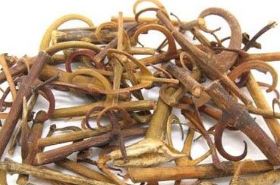
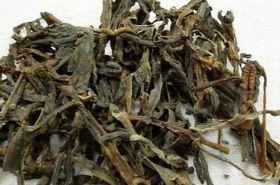
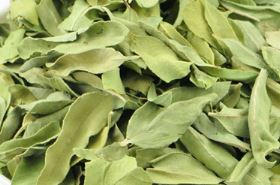
Morphologically, the leaves are often wrinkled and curled, sometimes broken. When intact, they are elliptic-lanceolate or ovate-lanceolate, light green or grayish-green, with fine teeth along the margins that often roll inwards. The leaf veins are prominent on the underside. The petiole (leaf stalk) is slender, about 4mm long. The texture is brittle. It has a faint aroma and a bland taste.
Dosage and Administration of Apocynum Venetum Leaf
Usage: Typically, 6-12 grams are decocted in water for oral administration. Alternatively, a single herb infusion can be prepared and consumed as tea.
Functions and Indications of Apocynum Venetum Leaf
Functions: It is traditionally used to calm Liver Yang and pacify the Spirit (Shen), clear heat, and promote diuresis.
Indications: It is primarily used for conditions such as dizziness due to Liver Yang rising, palpitations and insomnia, edema with scanty urine. Modern applications include hypertension, neurasthenia (nervous debility), and renal edema.
Toxicity of Apocynum Venetum Leaf
Oral preparations of Apocynum Venetum Leaf may cause adverse reactions such as nausea, vomiting, diarrhea, and upper abdominal discomfort. It can also lead to bradycardia (slow heart rate) and premature contractions. When smoked in paper cigarettes, Apocynum Venetum may induce dizziness, coughing, nausea, and insomnia.
Important Safety Note: As Apocynum Venetum Leaf contains certain active compounds, it's crucial to consult a qualified healthcare professional or TCM practitioner before use, especially given its potential for side effects. Do not self-medicate or exceed recommended dosages.
Traditional Formulas Involving Apocynum Venetum Leaf
① For Abdominal Distension due to Hepatitis: Take 6 grams of Apocynum Venetum, 4.5 grams of Melon Pedicel, 6 grams of Corydalis Tuber, 3 grams of Clove, and 9 grams of Costus Root. Grind all ingredients into a fine powder. Take 1.5 grams twice daily with boiled water. (From "Xinjiang Handbook of Chinese Herbal Medicine")
② For Neurasthenia, Dizziness, Post-Concussion Syndrome, Palpitations, Insomnia, Hypertension, Cirrhotic Ascites, and Edema: Use 3-9 grams of Apocynum Venetum. Steep in boiling water and drink as a tea; do not decoct. (From "Xinjiang Handbook of Chinese Herbal Medicine")
Health Benefits of Apocynum Venetum Leaf Tea
Drinking Apocynum Venetum Leaf tea can offer a range of health benefits, based on traditional use and modern research:
First: Calming Liver Yang and Extinguishing Wind
Due to its cold nature and bitter taste, Apocynum Venetum Leaf has excellent protective effects on the Liver Meridian. Upon entering the body, it helps to cool and purge Liver fire. Scientific use of Apocynum Venetum Leaf can effectively calm rising Liver Yang and extinguish internal wind, providing significant relief for conditions like headaches or tremors caused by Liver Yang hyperactivity.
Second: Anchoring the Liver and Calming the Spirit
Unresolved anger and prolonged melancholy can easily harm the liver, leading to issues like impaired liver function (Liver Qi stagnation). This can manifest as restlessness, poor sleep quality, or waking easily from sleep. Other symptoms might include a red tongue with a yellow coating, irritability, and chest tightness. For individuals experiencing these symptoms, incorporating Apocynum Venetum Leaf tea into their regimen can offer considerable benefits for overall well-being and mental calm.
Third: Antihypertensive Effects
Scientists have observed through experiments that Apocynum Venetum Leaf demonstrates excellent efficacy in managing hypertension. A significant reduction in blood pressure can be seen within two hours of scientific administration, with effects maintained over time. Moreover, Apocynum Venetum Leaf is effective against various types of hypertension, showing particularly promising results for renal hypertension (PMID: 35777490).
Fourth: Clearing Heat and Releasing the Exterior
In TCM, wind is classified as a Yang pathogen, and when it invades the body, it often generates heat, intensifying the damage caused by wind-heat evil. This can lead to symptoms like aversion to wind with fever, sweating without relief, phlegm that is thick and yellow, coughing, nasal congestion, and headaches. This herb helps to clear heat and release external pathogens, promoting the diffusion of Lung Qi and thus addressing these conditions at their root.
Fifth: Promoting Diuresis and Reducing Edema
Apocynum Venetum Leaf has a cold nature and a slightly bitter taste. Therefore, its appropriate use can help to promote the excretion of excess water and stimulate urination, offering effective relief for conditions characterized by edema and swelling.
Sixth: Cardiotonic Effects
Apocynum Venetum Leaf contains apocynoside, a type of cardiac glycoside. Animal studies have shown that this substance can significantly enhance myocardial contractility while slowing the heart rate, potentially addressing certain types of arrhythmia. Thus, scientific use of Apocynum Venetum Leaf can exert a cardiotonic effect, similar to strong cardiac glycosides. For individuals experiencing atrial fibrillation with a disordered pulse, Apocynum Venetum Leaf may help regulate heart rhythm and alleviate associated symptoms like nausea, vomiting, and diarrhea.
Seventh: Boosting Immunity
Research suggests that regular and appropriate use of Apocynum Venetum Leaf can effectively support overall health and improve immune function (PMID: 37703554). While it can significantly increase thymus weight in adult animals, it may cause a slight decrease in thymus weight in young animals. Additionally, Apocynum Venetum Leaf has been shown to enhance the phagocytic activity of immune cells.
Eighth: Lowering Blood Lipids
Apocynum Venetum Leaf can effectively help lower blood lipid levels, especially in cases of hyperlipidemia induced by substances like Triton. It can significantly reduce serum total cholesterol and triglyceride levels, contributing to better overall health. However, it's important to note that if high blood lipids and high cholesterol are primarily caused by dietary habits, the therapeutic effects of Apocynum Venetum Leaf may not be as pronounced.
Ninth: Anti-aging Properties
Scientific use of Apocynum Venetum Leaf has been associated with anti-aging effects and can promote skin health. Experiments conducted on animals such as silkworms, mice, and fruit flies indicate that Apocynum Venetum Leaf can slow down the aging process and potentially extend lifespan (PMID: 37937965). This is attributed to certain compounds in the herb that can reduce lipofuscin accumulation in internal organs and significantly enhance the activity of superoxide dismutase (SOD) in the liver and heart after consumption. Beyond anti-aging, Apocynum Venetum Leaf may also contribute to the prevention and management of atherosclerosis.
Precautions and Contraindications for Apocynum Venetum Leaf Tea
It's important to be aware of the following considerations when using Apocynum Venetum Leaf:
First: Potential Toxicity and Side Effects
Scientists have highlighted that Apocynum Venetum Leaf naturally contains certain toxic compounds. Improper or unscientific use can easily lead to adverse toxic reactions. Even when prepared as Apocynum tea for daily consumption, caution is advised. Remember the TCM principle, "every medicine has its toxicity," so excessive use should be avoided.
Second: Potential Harm to Kidney Health
Apocynum Venetum Leaf, the primary ingredient in Apocynum tea, has a distinctly bitter taste. If not prepared or consumed correctly, its strong taste can be unpleasant and potentially harmful to the nervous system and kidneys. It is strongly recommended to follow scientific methods for preparation and dosage, ideally under the guidance of a professional, to prevent significant harm.
Third: Not Suitable for Pregnant Women
Pregnant women are advised against consuming Apocynum Venetum Leaf. While concrete scientific conclusions or extensive clinical examples are currently lacking, its cold nature could potentially pose risks to both the fetus and the mother's health. For safety and peace of mind, it is best for expectant mothers to avoid this herb.
Fourth: Not Suitable for Individuals with Deficiency Syndromes or Spleen/Stomach Cold
Often referred to as a "desert treasure," Apocynum Venetum Leaf has a cooling nature. Therefore, individuals with general body weakness (deficiency syndromes) or those suffering from Spleen and Stomach cold should ideally avoid this herb. If consumption is deemed necessary, start with a small amount and gradually increase it, allowing the body to adjust and adapt. To further balance its cooling properties and improve taste, consider adding warming dried fruits like red dates or longans when brewing Apocynum Venetum Leaf tea.
--
References
[Immunomodulatory Effects] PMID: 37703554
[Antihypertensive Properties] PMID: 35777490
[Anti-aging Mechanisms] PMID: 37937965
Quick Health Check & Action Plan
If... you’re experiencing mild dizziness and difficulty sleeping, often accompanied by irritability and a feeling of warmth, which might align with Liver Yang rising symptoms.
Then/Immediately... consider discussing with a TCM practitioner whether a mild, diluted Apocynum Venetum tea might be appropriate for a short period, focusing on calming and cooling properties, *after* proper diagnosis and guidance. Never self-prescribe, especially with herbs that have known side effects.
For informational purposes only. Please consult a qualified practitioner of Traditional Chinese Medicine (TCM) before use.