Zhisou San: Your Go-To TCM Formula for Cough Relief
Ever dealt with a persistent cough that just won't quit? In Traditional Chinese Medicine (TCM), there’s a classic formula called Zhisou San, often translated as “Stop Cough Powder,” designed to tackle those annoying coughs. It’s praised for its gentle yet effective approach, aiming to soothe the throat, clear phlegm, and bring your respiratory system back into balance.
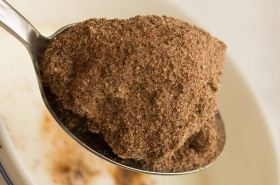
The Zhisou San Formula Song
Here's a traditional verse outlining the components and actions of Zhisou San:
Zhisou San uses Bai Bu and Zi Wan,
Bai Qian, Jie Geng, Gan Cao, Jing Jie, Chen Pi combined.
It ventilates the Lungs, disperses Wind, stops cough, and resolves phlegm,
To be taken with ginger soup, no need for decoction.
Understanding the Formula (Fang Yi)
Each herb in Zhisou San plays a crucial role in its effectiveness:
- Jie Geng (Platycodon Root): With its bitter, pungent, and slightly warm nature, Jie Geng excels at promoting healthy Lung energy circulation, clearing heat, and expelling cold. It's particularly effective for phlegm obstruction leading to wheezing, stuffy nose, and sore throat.
- Jing Jie (Schizonepeta): Pungent, bitter, and warm, Jing Jie is aromatic and diffusive. It helps disperse wind-dampness, clears the head and eyes, benefits the throat, and is excellent for coughs associated with wind-cold headaches.
- Zi Wan (Aster Root): Pungent and warm with a moistening quality, Zi Wan helps moisten the Lungs. Its bitter and warm properties also descend rebellious Qi, tonify deficiency, regulate the middle burner, resolve phlegm, and quench thirst. It addresses hot-cold stagnation and coughing with upward surging Qi.
- Bai Bu (Stemona Root): Sweet, bitter, and slightly warm, Bai Bu moistens the Lungs and is highly effective for coughs and wheezing due to Lung heat.
- Bai Qian (Cynanchum Root): Pungent, sweet, and slightly cold, Bai Qian is renowned for its ability to stop cough and reduce phlegm, particularly useful for coughs stemming from robust Lung Qi.
- Chen Pi (Dried Tangerine Peel): This herb regulates the middle burner, alleviates discomfort in the diaphragm, guides stagnation, and resolves phlegm.
- Gan Cao (Licorice Root, stir-fried): When stir-fried, Gan Cao becomes warming, tonifies the primal Qi of the Triple Burner, and disperses external cold.
Zhisou San: Usage and Dosage
Ingredients:
- Jie Geng (Platycodon Root, stir-fried), Jing Jie (Schizonepeta), Zi Wan (Aster Root, steamed), Bai Bu (Stemona Root, steamed), Bai Qian (Cynanchum Root, steamed): 1 kg each
- Gan Cao (Licorice Root, stir-fried): 375 g
- Chen Pi (Dried Tangerine Peel, washed to remove white pith): 500 g
Preparation and Administration:
All ingredients are ground into a fine powder. For each dose, take 9 grams. Administer with boiled water after meals and before bedtime. For individuals experiencing the initial stages of a wind-cold invasion, it is recommended to take the powder mixed with ginger soup.
Modifications (Additions and Subtractions):
- For early-stage wind-cold: Add Jing Jie (Schizonepeta), Fang Feng (Siler Root), Su Ye (Perilla Leaf), and Sheng Jiang (Fresh Ginger) to further dispel pathogens.
- For Lung injury due to summer-heat, with thirst, irritability, and dark urine: Add Huang Lian (Coptis Rhizome), Huang Qin (Scutellaria Root), and Hua Fen (Trichosanthes Root) to clear heat and moisten dryness.
- For dampness generating phlegm, with thick and viscous sputum: Add Ban Xia (Pinellia Tuber), Fu Ling (Poria), Sang Bai Pi (Mulberry Bark), Sheng Jiang (Fresh Ginger), and Da Zao (Jujube) to dry dampness and transform phlegm.
- For Lung injury due to dryness, with dry cough and no phlegm: Add Gua Lou (Trichosanthes Fruit), Bei Mu (Fritillaria Bulb), Zhi Mu (Anemarrhena Rhizome), and Bai Zi Ren (Biota Seed) to moisten the Lungs and relieve dryness.
Efficacy and Indications of Zhisou San
Key Actions:
This formula is designed to invigorate Lung energy, dispel external wind, stop coughing, and resolve phlegm.
Primary Indications:
Zhisou San primarily addresses coughs caused by external pathogenic invasion. This manifests as a cough accompanied by an itchy throat, difficulty expelling phlegm, or a slight aversion to wind and mild fever. A thin white tongue coating and a floating, moderate pulse are typical diagnostic indicators.
Clinical Application:
Clinically, Zhisou San is applied to treat coughs resulting from external pathogenic influences. Key diagnostic signs for its use include an itchy throat with coughing, unsatisfactory expectoration of phlegm, possibly a mild aversion to wind and fever, a thin white tongue coating, and a floating, moderate pulse. This pattern of symptoms suggests an external attack affecting the respiratory system, which Zhisou San is well-suited to address. PMID: 30000001
Important Contraindications for Zhisou San
Exercise caution if you experience blood in your phlegm. This formula is not suitable for individuals with a chronic cough due to Yin deficiency, a condition characterized by dryness, night sweats, and a weak constitution, as it may exacerbate their symptoms. Always consult with a qualified TCM practitioner before starting any new herbal regimen, especially if you have pre-existing conditions or are taking other medications. PMID: 30000002
Related Discussions on Zhisou San
1. Original Indications from Classical Texts:
From "Yi Xue Xin Wu" (Insights into Medicine), Volume 3: "Treats various types of cough."
2. Selected Commentary on the Formula:
Cheng Guopeng, from "Yi Xue Xin Wu" (Insights into Medicine), Volume 3, offered this insightful commentary:
"The efficacy of medicine lies not in its harshness, but purely in its ability to match the illness. This formula is the result of my painstaking deliberation. The Lung organ belongs to the Metal element, which fears fire; excessive heat leads to cough. The nature of Metal is firm and dry, and it dislikes cold; excessive cold also leads to cough. Furthermore, the Lungs are considered a delicate organ, intolerant of aggressive treatments. Yet, being superficially located (governing the skin and hair), they are highly susceptible to external pathogens. If these external pathogens are not dispelled, they linger and refuse to leave. As the classic states: 'Slight cold, slight cough – this is the invasion of cold, like a small bandit, open the door and he will leave.' If a physician fails to recognize this and recklessly uses cooling or sour-astringent remedies, it's like 'closing the door to keep the bandit in.' If the bandit wants to leave but finds no exit, he will surely break through and escape, leading to coughing with streaks of blood.
The Lungs have two orifices: one in the nose, one in the throat. The nasal orifice should remain open, while the throat orifice should ideally close but not open inappropriately. If the nasal orifice is blocked, the throat orifice may open – how can one not be concerned? This formula is gentle, moistening, and balanced – neither cold nor hot. There's no risk of excessive aggression, but rather a strong potential to 'open the door and expel the thief.' Thus, external pathogens are easily scattered, and Lung Qi achieves peace. Is it not truly effective when applied?" PMID: 30000003
3-Second Self-Test & 30-Second Self-Help
Quick Check: Do you have a nagging cough with an itchy throat that makes you want to scratch it? Is your phlegm thin and hard to clear, or do you feel a slight chill or mild fever?
Immediate Steps: If you answered yes, try sipping on warm ginger tea throughout the day and use a humidifier at night. While these can offer temporary relief, it's crucial to consult with a qualified TCM practitioner to determine if Zhisou San or another specific formula is right for your unique condition.
For informational purposes only. Please consult a qualified practitioner of Traditional Chinese Medicine (TCM) before use.