Mai Men Dong Tang
Hey there, ever heard of a traditional Chinese herbal formula called Mai Men Dong Tang? It’s a classic, known for its incredible ability to bring balance back when your lungs and stomach are feeling a bit out of sync. Let’s dive into what makes this ancient remedy so special.
The Traditional Verse:
“Mai Men Dong Tang uses Ginseng, Jujube, Licorice, Rice, and Pinellia.
It's for Lung Atrophy, with cough and rebellious Qi from Empty-Heat.
This precious formula beautifully clears and nourishes the Lungs and Stomach.”
Understanding the Formula: Why It Works
The condition this formula aims to treat, known in TCM as Empty-Heat Lung Atrophy, essentially comes down to a Yin deficiency in both your Lungs and Stomach. This deficiency can cause your vital energy (Qi) and internal "Fire" to improperly surge upwards. Now, while the main issues might feel like they're in your lungs, the root cause often lies in your stomach.
Think of it this way: In TCM, the "Earth" element (representing the Stomach) is seen as the "mother" of the "Metal" element (representing the Lungs). Your Stomach is crucial for producing and distributing body fluids. If your Stomach fluids are low, your Lung Yin fluids will suffer too, leading to a combined Yin deficiency in both organs. When your Lungs are weak and can't perform their natural downward-directing function, you get that irritating cough and upward-surging breath. If the Lungs are damaged and not distributing fluids properly, and you've got this "Empty-Heat" further drying things out, the fluids from your Spleen can't reach your Lungs. This leads to the buildup of thick, turbid phlegm and saliva, which gets coughed out with the rebellious Lung Qi. The more you cough this out, the more your Lung fluids get depleted, and if this goes on long-term, it can eventually lead to a more severe condition called Lung Atrophy.
Your throat is like the connecting highway for your Lungs and Stomach. When the Yin of these organs is damaged and fluids can't ascend, you end up with a dry mouth and throat. That internal "Empty-Heat" can also cause hot palms and soles. If your Stomach Yin is insufficient, it can lead to disharmony and rebellious Qi, resulting in vomiting. And typical signs of Yin deficiency with internal heat include a red tongue with little or no coating, and a thready, rapid pulse. So, the goal here is to clear and nourish your Lungs and Stomach while calming down that rebellious Qi.
Let's break down the ingredients that make this formula so effective:
- Ophiopogon Root (Mai Men Dong): The Star Player. This herb is used in a generous amount as the chief ingredient. It’s sweet, cold, and wonderfully moistening. It works to nourish the Yin of both your Lungs and Stomach while clearing out that pesky Empty-Heat.
- Ginseng Root (Ren Shen): The Supporting Act. Ginseng steps in to boost your vital energy (Qi) and help generate more body fluids. (For more on ginseng's benefits for the respiratory system, see PMID: 35086022)
- Licorice Root (Gan Cao), Japonica Rice (Jing Mi), and Jujube (Da Zao): The Nourishing Crew. These ingredients come together to further benefit your Qi and nourish your Stomach. Combined with Ginseng, they supercharge your Stomach's ability to produce fluids. When your Stomach has plenty of fluids, they naturally ascend to hydrate your Lungs. This is a classic "Nourishing Earth to Generate Metal" strategy in TCM.
- Pinellia Tuber (Ban Xia): The Balancing Touch. With Lung and Stomach Yin deficiency, Empty-Fire can flare up, not only causing Qi to rebel but also further drying out fluids to form phlegm. Pinellia is added as an assistant to calm this rebellious Qi, directing it downwards, and helping to resolve that sticky phlegm. Now, Pinellia itself can be warming and drying, but here’s where the magic of TCM formulation comes in: it’s used in a very small dose. When paired with a large amount of moistening Ophiopogon, Pinellia's drying effect is significantly reduced, while its ability to calm rebellious Qi and dissolve phlegm remains effective. It also helps kickstart your Stomach to transport fluids to moisturize the Lungs and ensures the Ophiopogon isn't overly cloying or heavy, creating a perfect synergy.
- Licorice Root (Gan Cao): The Harmonizer. Besides its nourishing role, Licorice also helps moisten the Lungs, soothes the throat, harmonizes all the other herbs, and helps guide their actions.
Mai Men Dong Tang: How It's Traditionally Used
Ingredients:
- Ophiopogon Root (Mai Men Dong): 42g
- Pinellia Tuber (Ban Xia): 6g
- Licorice Root (Gan Cao): 6g
- Ginseng Root (Ren Shen): 9g
- Japonica Rice (Jing Mi): 3g
- Jujube (Da Zao): 4 pieces
Traditional Preparation & Dosage:
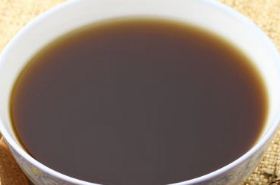
Historically, these six ingredients would be decocted with 12 *sheng* of water (about 12 liters), simmered down until 6 *sheng* remained (about 6 liters). One *sheng* (approx. 1 liter) would be taken warm, three times during the day and once at night. Keep in mind, these are traditional measurements from ancient texts and differ significantly from modern dosages. (For a general review of Mai Men Dong Tang's clinical efficacy, check out PMID: 35147493)
Modern Usage:
Today, the herbs are typically decocted in water and taken orally as prescribed by a practitioner.
Modifications:
- If there's severe fluid deficiency, additional herbs like Adenophora Root (Sha Shen) or Solomon's Seal Rhizome (Yu Zhu) might be added to further nourish Yin fluids.
- For stomach pain and burning sensations in the abdomen due to Yin deficiency, Dendrobium (Shi Hu) and White Peony Root (Bai Shao) can be incorporated to enhance Yin-nourishing, stomach-benefiting, and pain-relieving effects.
Functions and Main Indications of Mai Men Dong Tang
Key Functions:
- Clears and nourishes the Lungs and Stomach.
- Calms rebellious Qi and directs it downwards.
Primary Conditions Treated:
- Empty-Heat Lung Atrophy: You might experience symptoms like a cough with shortness of breath, a feeling of discomfort in your throat, difficulty fully clearing phlegm, or coughing up frothy saliva. Other signs include a dry mouth and throat, hot palms and soles, a red tongue with scant coating, and a thready, rapid pulse. (Learn more about Ophiopogon's benefits for lung diseases in PMID: 29555416)
- Stomach Yin Deficiency Syndrome: This can manifest as vomiting, a poor appetite, hiccups, thirst and dry throat, along with a red tongue with scant coating, and a thready, rapid pulse.
Clinical Application:
This formula is a go-to for cough or vomiting stemming from Lung and Stomach Yin deficiency with rebellious Qi. In clinical practice, the key diagnostic indicators for using Mai Men Dong Tang include coughing up frothy saliva, shortness of breath and wheezing, or dry mouth with rebellious vomiting, a dry, red tongue with scanty coating, and a thready, rapid pulse.
Historical Wisdom: What the Texts Say
- From the ancient text, *Synopsis of Prescriptions of the Golden Cabinet (Jingui Yaolue)*, specifically the chapter on "Lung Atrophy, Lung Abscess, Cough, and Upward Counterflow of Qi": "For severe rebellious Qi surging upwards, with discomfort in the throat, Mai Men Dong Tang is the main formula to calm rebellious Qi and direct it downwards."
- From *The True Meaning of Prescriptions from the Golden Cabinet (Jingui Yaolue Fanglun Benyi)*, Volume 7: "When fire causes Qi to rebel upwards, it means heat Qi is rushing up; discomfort in the throat indicates dryness of the Lungs and depletion of fluids. It is treated with Ophiopogon (Mai Dong) to generate fluids and moisten dryness, supplemented with Pinellia (Ban Xia) to open blockages. Ginseng (Ren Shen), Licorice (Gan Cao), Japonica Rice (Jing Mi), and Jujube (Da Zao) are broadly used to supplement and nourish the Earth (Stomach) to assist the Metal (Lungs). This is a foundational prescription for those with Lung deficiency, heat, and fluid depletion. It also serves as a preventative measure for Lung atrophy with deficiency heat."
Quick Self-Check & Self-Care
3-Second Self-Test:
- If you often have a dry, unproductive cough, especially at night...
- If your throat feels consistently dry and irritated, even after drinking water...
- If you experience occasional hot flashes in your palms or soles...
- If you sometimes feel nauseous or have hiccups with a reduced appetite...
30-Second Self-Rescue:
- If you’re experiencing a dry, tickly cough: Immediately try sipping on warm herbal teas like peppermint or ginger, or even just warm water with honey to soothe your throat.
- If your mouth and throat feel parched: Immediately increase your fluid intake with room-temperature water. Avoid overly cold or hot drinks, and consider a humidifier in your living space.
- If you have mild hand/foot heat with thirst: Immediately try a cool foot soak and ensure you’re adequately hydrated throughout the day.
References
The Traditional Chinese Medicine Formula Mai Men Dong Tang for Treating Respiratory Diseases: A Review of Clinical Efficacy and Pharmacological Mechanisms. PMID: 35147493
Ophiopogon japonicus for lung diseases: A review. PMID: 29555416
Pharmacological activities of Panax ginseng and its major metabolites in the respiratory system. PMID: 35086022
Important Disclaimer: For informational purposes only. Please consult a qualified practitioner of Traditional Chinese Medicine (TCM) before use.