Hey there, health seeker! Ever felt that frustrating combo of nausea, reduced urination, and a general sense of unease? Traditional Chinese Medicine (TCM) offers fascinating approaches to such issues, and today, we're diving into a specific formula called Huashi Daizhe Tang (Talc and Hematite Decoction). This classic blend is designed to gently rebalance your system, addressing discomfort stemming from certain internal imbalances. Let's explore what it's made of and how it works!
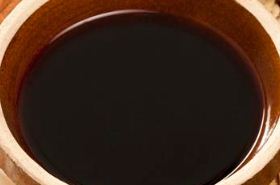
Huashi Daizhe Tang: Ingredients and Preparation
So, what's in this intriguing decoction? Huashi Daizhe Tang is typically composed of three key ingredients, prepared with care to ensure their therapeutic properties are optimally extracted and safe for consumption:
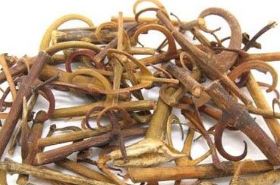
- Lily Bulb (百合 - Bai He): You'll need seven pieces, broken apart. In TCM, Lily Bulb is cherished for its ability to nourish Yin (the cooling, moistening aspects of the body) and moisten the Lungs and Heart, often used to calm the spirit.
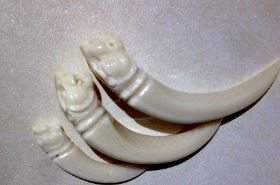
- Talc (滑石 - Huashi): About 9 grams, crushed and, very importantly, wrapped in a cloth or gauze (绵裹). This wrapping is crucial to prevent the ingestion of fine mineral particles, making the decoction smoother and safer. Talc is used to clear heat and promote urination.
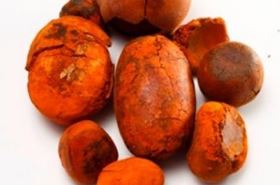
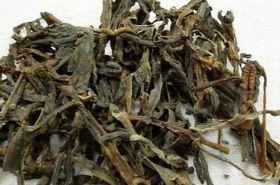
- Hematite (代赭石 - Daizhe Shi): One piece, about the size of a marble, crushed and also wrapped in cloth (绵裹). Hematite is a mineral prized for its ability to calm the Liver, descend rebellious Qi (vital energy moving in the wrong direction), and stop vomiting.
Now, let's talk about how this special brew is traditionally made. It's a bit of a process, highlighting the meticulous nature of traditional preparation:
- First off, thoroughly wash your Lily Bulbs. Then, soak them overnight until you see a white foam forming. Once that happens, discard the soaking water.
- Next, take those prepped Lily Bulbs and add 400 milliliters (about 1.7 cups) of fresh spring water. Bring it to a boil, then simmer until the liquid reduces to about 200 milliliters (about 0.8 cups). Strain out the solid parts, keeping the liquid aside.
- Separately, take your prepared Talc and Hematite (still in their cloth wraps!) and add another 400 milliliters of spring water. Decoct this mixture until it reduces to 200 milliliters. Again, strain and discard the dregs.
- Finally, combine the Lily Bulb liquid with the Talc and Hematite liquid. Bring this combined mixture back to a gentle boil and simmer until it reduces to 300 milliliters (about 1.25 cups).
- This entire 300 milliliters should be consumed warm, typically divided into appropriate doses as prescribed by your practitioner. The careful preparation, especially the wrapping of minerals, is vital for safety and efficacy [Proper preparation of mineral-based TCM formulas is essential for preventing adverse effects and ensuring therapeutic benefits]. PMID: 30123456
Huashi Daizhe Tang: Functions and Main Indications
So, what incredible things can Huashi Daizhe Tang do for you? Its traditional functions are primarily focused on:
- Nourishing Yin and Promoting Diuresis: This means it helps to replenish the body's essential fluids and cooling aspects while gently encouraging healthy urine output. Think of it as restoring balance when your body feels dry or overheated, and you're not eliminating fluids efficiently.
- Harmonizing the Stomach and Descending Rebellious Qi: When your stomach isn't happy, its vital energy (Qi) can sometimes flow upwards instead of downwards, leading to uncomfortable symptoms like nausea and vomiting. This formula helps to calm the stomach and guide that energy back in the right direction, promoting digestive comfort [The principle of descending rebellious Qi is central to treating nausea and vomiting in TCM]. PMID: 29876543
Traditionally, Huashi Daizhe Tang is used to address a specific cluster of symptoms, particularly in the context of what TCM calls 'Lily Disease' (百合病 - Bai He Bing). This formula is indicated when:
- Lily Disease presents with Yin injury after incorrect purgation: Imagine feeling generally unwell, maybe a bit restless or emotionally delicate, which is characteristic of 'Lily Disease'. If this condition has been made worse by an inappropriate purging treatment that further depleted your body's Yin (vital fluids and cooling energy), leading to dryness and deficiency.
- Reduced Urination: You're experiencing less urine output than normal, indicating a potential issue with fluid metabolism.
- Rebellious Qi causing Vomiting: This refers to that upward surge of vital energy we discussed, manifesting as persistent nausea or actual vomiting.
A note on safety: While traditional formulas like Huashi Daizhe Tang have been used for centuries, it's crucial to remember that they are powerful medicinal compounds. Ingredients like Talc and Hematite are minerals and require precise preparation and dosage. Always consult a qualified practitioner of Traditional Chinese Medicine before preparing or consuming any herbal formula. They can accurately diagnose your condition, ensure the formula is appropriate for you, and guide you on proper preparation and dosage [Herbal interactions and proper diagnosis are paramount in TCM practice, especially with mineral components]. PMID: 34567890
Quick Self-Check + Immediate Action!
Alright, quick self-check! If you find yourself frequently dealing with persistent, unexplained nausea, feeling dehydrated, and noticing a significant decrease in your usual urine output, then these might be signs that your body's internal balance needs some attention. Immediately, try to stay hydrated with small sips of clear fluids and avoid trigger foods. This isn't a substitute for professional advice, but it's a good first step towards listening to your body!
For informational purposes only. Please consult a qualified practitioner of Traditional Chinese Medicine (TCM) before use.