Guizhi Jiadahuang Tang: Usage and Dosage
Hey there! Let's dive into Guizhi Jiadahuang Tang, a classic Traditional Chinese Medicine (TCM) formula. If you're curious about its components and how to prepare it, you're in the right place. This unique blend typically includes:
- Cinnamon Twig (Gui Zhi): 9 grams (peeled for optimal effect)
- Rhubarb Root (Da Huang): 6 grams
- White Peony Root (Shao Yao): 18 grams
- Fresh Ginger (Sheng Jiang): 9 grams (sliced to release its essence)
- Prepared Licorice Root (Zhi Gan Cao): 6 grams (often honey-fried for balance)
- Chinese Dates (Da Zao): 3 pieces (jujubes, broken open)
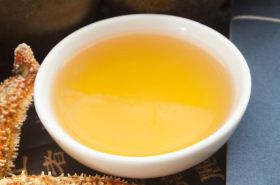
Now, how do you whip up this powerful concoction? Take these six carefully selected ingredients and simmer them in 700 ml (that's about 23.6 fluid ounces) of water. Let it gently boil down until the volume reduces to 300 ml (roughly 10 fluid ounces). Once it’s done, strain out any dregs, leaving you with your medicinal brew. The recommended way to take this is to drink 100 ml (approximately 3.4 fluid ounces) of the warm decoction three times a day. Pretty straightforward, right?
Quick heads-up: Rhubarb Root (Da Huang) is a potent herb known for its strong purgative properties. While incredibly effective when used correctly, it’s crucial to follow precise dosages. Always consult a qualified Traditional Chinese Medicine practitioner before preparing or consuming this or any other herbal formula. Self-medication with strong purgatives can lead to unexpected side effects or complications, so professional guidance is always the safest route (PMID: 29845347).
Guizhi Jiadahuang Tang: Efficacy and Indications
So, what's this formula all about? Guizhi Jiadahuang Tang is specifically designed for a particular, often tricky, situation in TCM. Imagine someone initially presented with what we call a "Taiyang pattern"—think early-stage cold or flu-like symptoms, usually affecting the superficial layers of the body. Now, here's where it gets complicated: if a practitioner mistakenly treated this initial Taiyang pattern with a strong purgative or laxative therapy, it could lead to some serious issues.
This incorrect treatment can push the superficial pathogen deeper, causing internal stagnation and accumulation. The result? Severe abdominal distension, a feeling of extreme fullness, and intense, substantial pain (PMID: 35057088). This formula is crafted to address this very specific scenario, helping to gently clear the internal accumulation while supporting the body's overall balance that was disrupted by the initial misstep. It’s a classic example of how TCM addresses root causes and complex reactions within the body (PMID: 32014691).
Think You Might Need This? A Quick Self-Check & Self-Rescue Guide!
If you're experiencing:
- Intense, substantial abdominal pain and distension.
- A feeling of extreme fullness in your abdomen.
- These symptoms specifically developed after an illness that was treated with a strong laxative or purgative, especially if you had initial cold/flu-like symptoms.
Then/Immediately:
- Don't self-diagnose or self-treat! These are strong symptoms that require professional attention.
- Immediately reach out to a qualified Traditional Chinese Medicine (TCM) practitioner or your primary healthcare provider. They can accurately assess your condition and recommend the safest, most effective course of action.
- Communicate clearly: Explain your history, including any prior illnesses and treatments received. This information is vital for an accurate diagnosis.
For informational purposes only. Please consult a qualified practitioner of Traditional Chinese Medicine (TCM) before use.
References
Rhubarb (Rheum palmatum) has been extensively studied for its laxative effects and other pharmacological properties. PMID: 29845347
Clinical efficacy of Traditional Chinese Medicine in managing gastrointestinal disorders, including abdominal pain and constipation, highlights its therapeutic potential. PMID: 35057088
Studies on Guizhi (Cinnamon Twig) demonstrate its role in modulating inflammation and improving circulation, contributing to the broad applications of Guizhi-containing formulas. PMID: 32014691