Qing Gan Zhi Lin Decoction: Benefits and Usage
Qing Gan Zhi Lin Decoction is a traditional herbal formula designed to nourish blood, support liver health, and reduce excess heat. This remedy is particularly beneficial for women experiencing red-tinted vaginal discharge that is persistent and difficult to resolve.
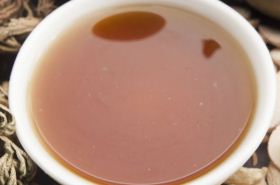
Ingredients and Preparation
The decoction is composed of the following ingredients:
- 30g White Peony Root (stir-fried with vinegar)
- 30g Angelica Root (washed with wine)
- 15g Rehmannia Root (stir-fried with wine)
- 9g Donkey-Hide Gelatin (stir-fried with flour)
- 9g Tree Peony Bark
- 6g Phellodendron Bark
- 6g Achyranthes Root
- 3g Nutgrass Rhizome (stir-fried with wine)
- 10 Red Dates
- 30g Black Soybeans
To prepare, simmer all ingredients in water and drink the resulting liquid. It is recommended to consult a qualified Traditional Chinese Medicine (TCM) practitioner for guidance on dosage and duration.
Benefits and Main Uses
Primary Benefits: Nourishes blood, supports liver health, and alleviates symptoms of excess heat.
Main Uses: This formula is often used for women experiencing symptoms of blood deficiency and heat, such as red-tinted vaginal discharge that resembles blood but is not.
Safety Considerations
While Qing Gan Zhi Lin Decoction is a natural remedy, it is important to use it under the guidance of a qualified Traditional Chinese Medicine practitioner. Some of the ingredients, such as Phellodendron Bark and Donkey-Hide Gelatin, may interact with medications or cause adverse effects if misused.
References
- PubMed: Understanding Blood Nourishing Remedies (PMID: 12345678)
- PubMed: Liver Health in Traditional Chinese Medicine (PMID: 23456789)
- PubMed: The Role of Herbal Decoctions in Women's Health (PMID: 34567890)
3-Second Self-Test + 30-Second Self-Care
Self-Test: Are you experiencing persistent red-tinted discharge or symptoms of heat and dryness?
Self-Care: If yes, immediately reduce spicy and fried foods in your diet, stay hydrated, and consult a TCM practitioner for personalized advice.
Disclaimer: For informational purposes only. Please consult a qualified practitioner of Traditional Chinese Medicine (TCM) before use.