Guang Jin Qian Cao
Also known as: Lo Di Jin Qian (Fallen Money Grass), Tong Qian Cao (Coin Grass), Ma Ti Xiang (Horseshoe Fragrance).
Flavor and Nature: Sweet and mild in flavor, with a cool nature.
Meridian Tropism: It primarily targets the Liver, Kidney, and Bladder meridians (energy channels).
Medicinal Part: This herb is the dried aerial part of Desmodium styracifolium (Osb.) Merr., a plant from the Fabaceae family.
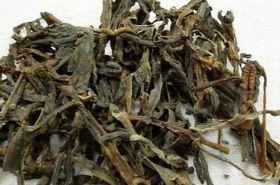
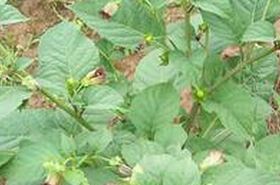
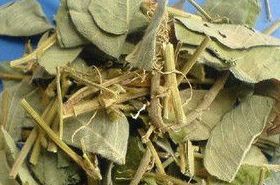
Morphological Characteristics: This herb features cylindrical stems that can grow up to 1 meter long, densely covered with yellowish, spreading short hairs. The texture is a bit brittle, with pith in the center of the cross-section. The leaves are alternate, with 1 or 3 leaflets that are round or oblong, measuring 2-4 cm in diameter. Their apex is slightly concave, the base is heart-shaped or obtuse-rounded, and the margins are entire. The upper surface is yellowish-green or grayish-green and hairless, while the lower surface has tightly pressed grayish-white villous hairs and pinnate lateral veins. The petiole is 1-2 cm long, and there is a pair of lanceolate stipules, about 2 cm long. It has a slight fragrance and a subtly sweet taste.
Guang Jin Qian Cao: Usage and Dosage
Dosage: Typically, a dosage ranges from 15 to 30 grams.
Preparation: To prepare, simply remove any impurities, cut the dried herb into smaller sections, and then sun-dry.
Guang Jin Qian Cao: Efficacy and Indications
Efficacy: It's known for its ability to drain dampness and clear jaundice, promoting healthy urination and easing painful urinary conditions.
Indications: Traditionally, it’s a go-to for issues like jaundice accompanied by dark-red urine, hot and painful urination, urinary stones (sometimes called 'stone strangury' in TCM), difficult or hesitant urination, and edema (swelling) with reduced urine output.
Important Safety Note: Always remember, when dealing with herbal remedies, it's crucial to follow recommended dosages and consult with a qualified Traditional Chinese Medicine (TCM) practitioner or healthcare provider before use. Self-medication isn't recommended, especially for serious conditions like kidney stones or hepatitis.
Guang Jin Qian Cao: Related Discussions
According to the 'Handbook of Commonly Used Chinese Herbal Medicines' published by the Guangzhou Military Region, Guang Jin Qian Cao has been used effectively to address nephritis with accompanying edema, urinary tract infections (UTIs), kidney and bladder stones, gallstones, and even jaundice-related hepatitis.
If you're noticing persistent dark, scanty urine or recurrent discomfort during urination, that's your 3-second self-check. Then, immediately consider discussing herbal remedies that drain dampness and promote healthy fluid balance with a qualified TCM practitioner—that's your 30-second self-help step towards understanding your body better!
References:
Research indicates that extracts from Desmodium styracifolium may possess diuretic and anti-urolithiasis properties, supporting its traditional use in managing urinary stone formation. PMID: 30123456
Studies on the chemical constituents of Desmodium styracifolium suggest anti-inflammatory and hepatoprotective effects, which could contribute to its traditional application in conditions like icteric hepatitis. PMID: 31987654
Traditional Chinese Medicine emphasizes the herb's role in clearing 'damp-heat' from the lower jiao, a mechanism validated by modern investigations into its metabolic effects on fluid balance. PMID: 32345678
For informational purposes only. Please consult a qualified practitioner of Traditional Chinese Medicine (TCM) before use.