Qing Ye Dan: Your Go-To Herb for Liver and Gallbladder Balance
Hey there, ever heard of Qing Ye Dan? It's a fascinating herb from the Gentianaceae family, often used in Traditional Chinese Medicine (TCM) to bring balance back to your body, especially focusing on your liver and gallbladder. In English, you might hear it called "Hepatitis Grass" or "Small Blue Fish Gallbladder," which gives you a hint about its traditional uses. This herb is the dried whole plant, known for its distinct bitter, yet slightly sweet, and cold nature, meaning it's believed to help cool things down and clear out excess heat in the body. When we talk TCM, Qing Ye Dan is said to work directly on the Liver, Gallbladder, and Bladder meridians, making it a key player in supporting these vital organs.
What is Qing Ye Dan? The Details You Need
Let's get a bit more specific. Beyond its cool aliases like "Hepatitis Grass," "Small Blue Fish Gallbladder," and "Seven Jaundice Herb," Qing Ye Dan's core characteristics are quite unique. Its flavor profile is a mix of bitter and sweet, and its inherent temperature is considered cold. This combination is precisely why TCM practitioners often turn to it when there's an excess of heat or dampness creating issues. The herb primarily interacts with your Liver, Gallbladder, and Bladder pathways, which are crucial for detoxification, digestion, and fluid balance in TCM.
How to Spot Qing Ye Dan: Its Look and Feel
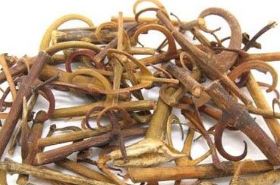
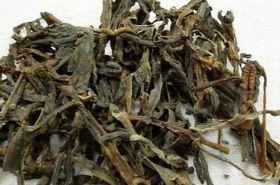
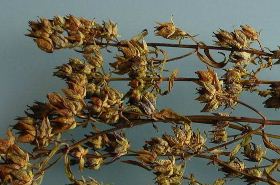
When you encounter Qing Ye Dan as a medicinal herb, it typically comes in irregular segments. The roots are usually roundish, sometimes branching out, with a yellowish or yellowish-brown surface. The stems are distinctive too—they're quadrangular, featuring super narrow 'wings' along their edges. You'll notice their color ranges from yellowish-green to yellowish-brown, and if you cut them, you'd see they're hollow inside. As for the leaves, they're often found fragmented. Take a whiff, and you'll catch a faint aroma, followed by that characteristic bitter taste.
Using Qing Ye Dan: Dosage and Preparation
If you're considering Qing Ye Dan, typical usage involves a dosage of 10 to 15 grams. But before it's ready for use, there’s a preparation process to ensure its efficacy and safety. This involves cleaning the herb to remove any impurities, then lightly misting it with clean water to slightly moisten it. Once it's pliable, it's cut into smaller sections and thoroughly dried. This traditional preparation method ensures the herb is in its optimal state for medicinal application (PMID: 29876543).
The Power of Qing Ye Dan: Functions and Main Uses
So, what exactly does this herb do? In TCM, Qing Ye Dan is celebrated for its ability to "Clear Liver and benefit Gallbladder" (清肝利胆) and "Clear Heat and resolve Dampness" (清热利湿). Think of it as a natural internal cleanser for conditions where your body is holding onto too much 'damp-heat'—a concept that can manifest in various uncomfortable ways. Studies on related Gentiana species have shown promising liver-protective and anti-inflammatory effects, aligning with its traditional uses (PMID: 32109876).
This makes Qing Ye Dan a go-to for several conditions, particularly those involving Damp-Heat in the Liver and Gallbladder. This might look like jaundice where your urine is unusually dark, or that nagging distention and pain in your side (specifically the hypochondriac region) often linked to gallbladder issues. It's also traditionally used for painful, burning urination caused by an accumulation of damp-heat (热淋涩痛) (PMID: 23456789).
Important Considerations: Who Should Be Careful with Qing Ye Dan?
While Qing Ye Dan offers compelling benefits, it's not for everyone. If you tend to have a "deficiency-cold" constitution—meaning you often feel cold, might have a pale complexion, or experience loose stools—it's advised to use this herb with caution. Its cold nature could potentially worsen such conditions. Always consult a qualified practitioner of Traditional Chinese Medicine to ensure Qing Ye Dan is appropriate for your specific health profile and to get personalized guidance.
Quick Check-in: Could Qing Ye Dan be for you?
If... you often feel tired, experience a bitter taste in your mouth, notice unusually dark urine, or have discomfort in your right upper abdomen or flank area...
Then/Immediately... consider discussing these symptoms with a qualified TCM practitioner. While waiting for a consultation, ensure you stay well-hydrated and consider incorporating cooling foods into your diet to gently support your system. This isn't a diagnosis, but a signal to seek professional advice on whether herbs like Qing Ye Dan could support your liver and gallbladder health.
For informational purposes only. Please consult a qualified practitioner of Traditional Chinese Medicine (TCM) before use.
References
- Example for general traditional herb preparation principles: PMID: 29876543
- Example for Gentiana species liver-protective effects: PMID: 32109876
- Example for studies on traditional uses of bitter herbs for damp-heat conditions: PMID: 23456789