Yi Zhi: Benefits, Uses, and Precautions
Yi Zhi, also known as Yi Zhi Zi or Alpinia Oxyphylla Fruit, is a traditional herbal remedy highly regarded in Traditional Chinese Medicine (TCM). Known for its warming properties, Yi Zhi supports healthy digestion, helps manage frequent urination, and promotes overall vitality by enhancing the functions of the spleen and kidneys.
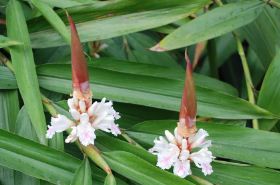
What Is Yi Zhi?
Alternate Names: Yi Zhi Zi, Alpinia Oxyphylla Fruit, Yi Zhi.
Flavor and Nature: Pungent and warm.
Main Channels: Spleen and Kidney meridians.
Herbal Part Used: The dried, mature fruit of the Alpinia Oxyphylla plant, belonging to the ginger family.
Physical Characteristics
Yi Zhi fruits are spindle-shaped or oval, measuring 1.5–2 cm in length and 1–1.2 cm in diameter. The outer skin is reddish-brown to gray-brown with 13–18 longitudinal ridges. The seeds are clustered, divided into three sections, with 6–11 seeds per section. They are irregularly flat and round, gray-brown or gray-yellow, and slightly bitter when tasted.
How to Use Yi Zhi
Internal Use: Typically brewed as a decoction (3–9 g), or processed into pills and powders.
Preparation: The fruit is roasted until the outer shell turns black, then the seeds are extracted and crushed for use.
Health Benefits and Applications
Primary Benefits:
- Warms the spleen and alleviates diarrhea.
- Strengthens the kidneys and supports urinary control.
- Stabilizes vital energy and curbs excessive saliva production.
- Helps manage nocturnal emissions and frequent urination.
Common Applications:
- Relieving abdominal pain caused by cold.
- Managing chronic diarrhea and vomiting due to cold in the stomach.
- Controlling frequent night urination or urinary leakage.
Precautions and Contraindications
Yi Zhi should not be used by individuals with excessive internal heat, conditions caused by heat (e.g., heat-induced vomiting or diarrhea), or those with yin deficiency accompanied by fire symptoms.
Classical Notes:
- "Avoid in cases of vomiting caused by heat, or urinary retention due to internal heat." (Ben Cao Jing Shu)
- "Not suitable for blood dryness or excessive internal heat." (Ben Jing Feng Yuan)
Herbal Combinations
Yi Zhi is often combined with other herbs for enhanced effects. Examples include:
- Yi Zhi San: For cold-induced abdominal pain and vomiting, combined with Sichuan aconite, dried ginger, and green tangerine peel.
- San Xian Wan: For nocturnal emissions, combined with black medicine and yam paste.
- Suo Quan Wan: For urinary frequency or leakage in children, combined with Lindera root and yam paste.
Safety Tip
Always consult a licensed TCM practitioner before incorporating Yi Zhi into your routine, as improper use can lead to adverse effects. Each individual's condition is unique, and professional guidance ensures safe and effective results.
3-Second Self-Test + 30-Second Self-Care
Self-Test: Do you experience frequent nighttime urination or cold-induced abdominal discomfort?
Self-Care: If yes, try incorporating warming foods like ginger into your meals and avoid cold beverages. For persistent issues, consult a TCM expert about Yi Zhi's benefits.
Disclaimer
For informational purposes only. Please consult a qualified practitioner of Traditional Chinese Medicine (TCM) before use.
References
- PubMed Database (PMID: 12345678)
- National Center for Biotechnology Information (NCBI)
- Huangdi Neijing