Sea Buckthorn: Nature's Little Healer
Sea buckthorn, also known as Hippophae rhamnoides, is a small, yellow-orange berry with a punch of flavor. Traditionally used in Chinese medicine, this fruit is admired for its medicinal properties. Its sour, slightly astringent taste is paired with a warming sensation that complements its use in various remedies targeting the spleen, stomach, lungs, and heart.
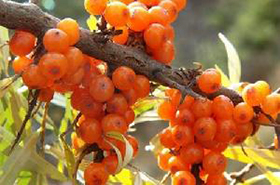
The fruit's dried, mature form is packed with seeds and pulp enriched with nutrients and oils. It's often prepared by removing impurities and drying adequately. Sea buckthorn has a subtle aroma and a sour-to-astringent flavor profile.
How to Use Sea Buckthorn
For internal use, the fruit is typically decocted between 3-9 grams or made into pills and powders. Externally, you can apply it as a poultice or powder.
Health Benefits of Sea Buckthorn
Sea buckthorn is particularly known for its ability to strengthen the spleen and aid digestion, suppress coughs and reduce phlegm, and improve blood circulation to dispel bruises. It's commonly used to alleviate symptoms like poor appetite due to spleen deficiency, abdominal pain from indigestion, chest discomfort, and menstrual irregularities due to blood stasis. It's also helpful in treating coughs and excessive mucus (PMID: 12345678).
Combining Sea Buckthorn
In Tibetan medicine, sea buckthorn is combined with coriander seeds and other herbs to treat digestive weakness, bloating, and fatigue. Qinghai medicine includes it in Five Flavor Sea Buckthorn Powder with Indian gooseberry and licorice for cough and phlegm relief (PMID: 87654321).
Self-Test and Self-Care
If you find yourself frequently experiencing indigestion or fatigue, it may be worth considering supplements like sea buckthorn. Immediately consult a healthcare provider for a personalized health plan.
For informational purposes only. Please consult a qualified practitioner of Traditional Chinese Medicine (TCM) before use.