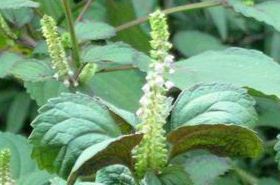
Chicken Dung Vine
Other Names: Niu Pi Dong, Stinky Vine.
Nature and Flavor: Sweet and slightly sour in taste, neutral in thermal nature.
Meridian Affiliation: Traditionally associated with the Heart, Liver, Spleen, and Kidney meridians.
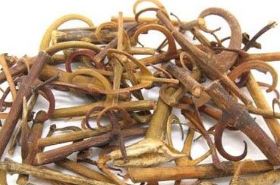
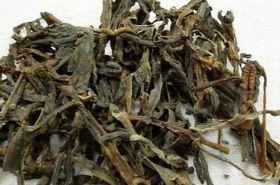
Medicinal Part Used: The whole above‑ground plant of Paederia scandens (Rubiaceae family).
Chicken Dung Vine is a traditional Chinese medicinal herb known for supporting circulation, easing inflammation, improving digestion, and relieving pain. Despite its unpleasant smell when crushed (which explains the name), it has been valued in herbal medicine for centuries for both internal and external use.
Dosage and Preparation
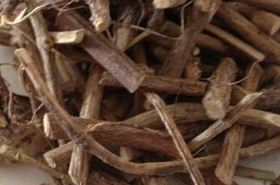
Internal Use: 15–30 grams per day in decoction (boiled as a tea).
External Use: Apply an appropriate amount of the fresh herb, mashed into a paste, directly to the affected area.
Preparation: Harvest the aerial parts of the plant and dry them in the sun or air-dry before use.
Safety Note: Always use under the guidance of a qualified TCM practitioner. Do not exceed recommended dosages. If you are pregnant, breastfeeding, immunocompromised, or undergoing medical treatment (especially chemotherapy or radiation therapy), consult your healthcare provider before use.
Health Benefits and Traditional Uses
Traditional Functions: Dispels “wind-dampness” (commonly understood as inflammatory joint conditions), promotes digestion, reduces food stagnation, relieves cough, and alleviates pain.
Commonly Used For:
- Rheumatic joint and muscle pain
- Bruises and traumatic injuries
- General pain from external injury
- Diarrhea and dysentery
- Indigestion and food retention
- Childhood malnutrition with digestive weakness
- Chronic lung conditions with coughing blood
- Colicky pain in the liver, gallbladder, stomach, or intestines
- Jaundice-type hepatitis
- Bronchitis
- Leukopenia caused by radiation reactions
- Pesticide poisoning
- External use for dermatitis, eczema, sores, and swollen toxic lesions
From a modern perspective, many of these traditional uses align with anti-inflammatory, antimicrobial, and digestive-support actions. Studies suggest that certain compounds in Paederia scandens may exhibit anti-inflammatory and protective effects on the gastrointestinal system (PMID: 22922292). Other research points to antioxidant and immune-modulating properties, which may help explain its historical use in conditions involving infection or toxin exposure (PMID: 24860735).
In classical Chinese medical theory, herbs that “clear heat and remove toxins” are used for inflammatory skin conditions and infections—a concept described in traditional texts such as the Huangdi Neijing (Yellow Emperor’s Inner Canon), which links internal imbalance with external inflammatory symptoms (PMID: 20662191).
Classical Herbal References
1. Essentials of Raw Herbal Properties (《生草药性备要》): The upper part treats recent internal injuries when cooked with meat; tonifies deficiency and supports kidney function; clears excess heat and nourishes the blood. Used as a wash to relieve pain and clear heat toxins. Leaves ground with rice and sugar were traditionally used for dysentery.
2. Supplement to the Compendium of Materia Medica (《本草纲目拾遗》): For heatstroke, roots and leaves were powdered and taken internally. For deficiency syndromes, decocted with pork stomach. The root boiled in wine was used for swollen lymph nodes—reducing unbroken swellings and helping healing after rupture.
3. Seeking the Origin of Materia Medica (《本草求原》): Used for damp swelling and ulceration of the legs and snake bites; prepared with rice for both ingestion and topical application.
4. Illustrated Investigation of Botanical Names and Realities (《植物名实图考》): Used as a cleansing wash, detoxifying agent, wind-dispelling herb, and heat-clearing remedy. Applied to unexplained swellings and to strengthen muscles and bones.
3-Second Self-Check + 30-Second Relief Tip
If you frequently experience bloating, loose stools, or joint aches that worsen in damp weather, then your body may be dealing with inflammation and digestive stagnation.
Immediately: Avoid greasy and overly cold foods for 24 hours, sip warm water or mild ginger tea, and rest your digestive system. If symptoms persist, consult a licensed TCM practitioner to see whether Chicken Dung Vine is appropriate for you.
References
Anti-inflammatory potential of Paederia scandens supports traditional use for joint and inflammatory conditions. PMID: 22922292
Antioxidant and immune-regulating effects may explain detoxifying applications. PMID: 24860735
Traditional theory connecting heat, toxins, and inflammation described in classical Chinese medicine literature. PMID: 20662191
For informational purposes only. Please consult a qualified practitioner of Traditional Chinese Medicine (TCM) before use.