Dealing with Peyronie's disease, or penile fibrosis, can be a really tough and frustrating experience. It's not just about the physical changes; it can impact your confidence and intimate life too. While Western medicine offers various approaches, many are looking for holistic alternatives. Traditional Chinese Medicine (TCM) provides a unique perspective, focusing on addressing the root causes of these hardened plaques and helping to restore balance to the body.
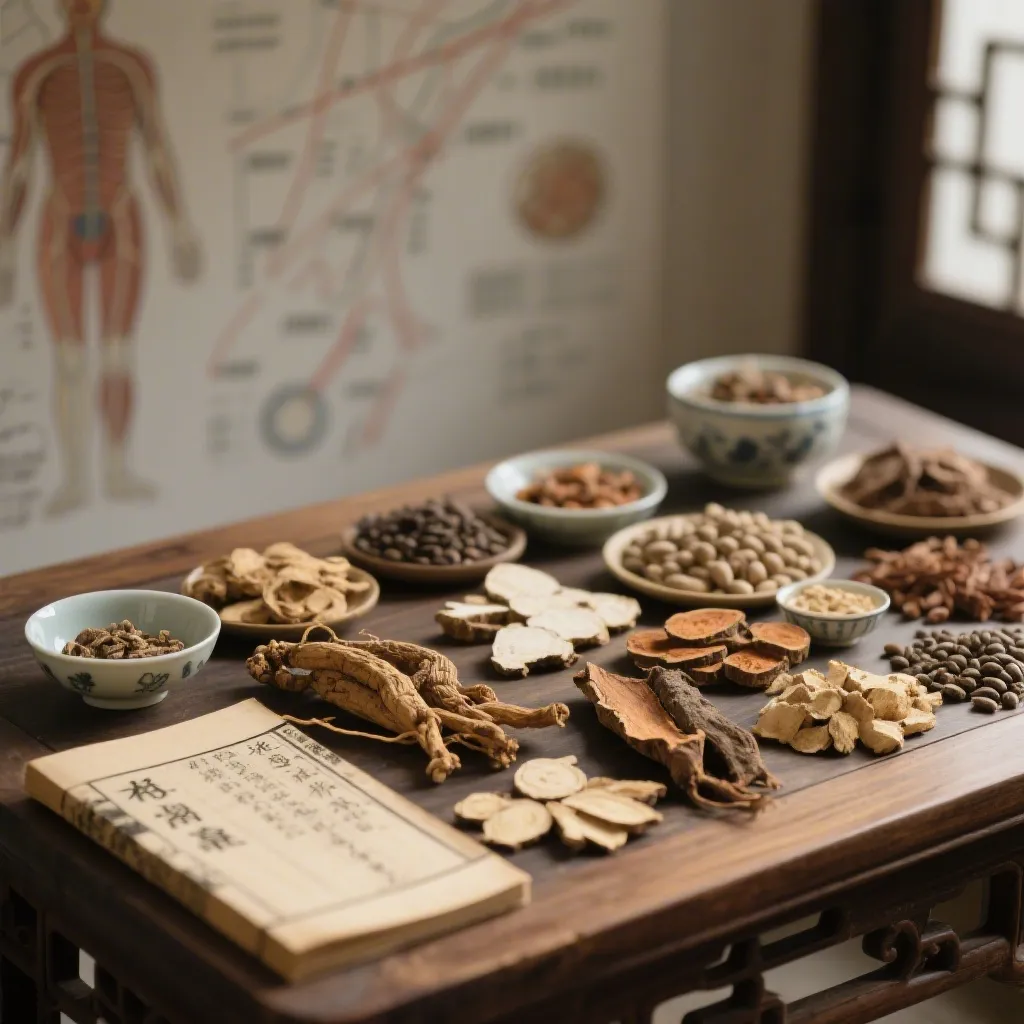
In TCM, conditions like Peyronie's disease are often seen as manifestations of imbalances like stagnant energy, accumulated dampness, or deficiencies in vital organs. Instead of just treating the symptom, TCM aims to gently guide your body back to its natural, healthy state. Here, we explore two time-honored formulas that practitioners often use to tackle the complexities of penile fibrosis.
Amazingly Effective: A Powerful TCM Formula for Phlegm and Blood Stasis
One common TCM pattern associated with Peyronie's disease is the accumulation of Phlegm and Blood Stasis. Think of it like sludge building up in a pipe – it obstructs flow and creates hardened areas. This diagnosis guides a specific treatment strategy focused on clearing these blockages.
Understanding the TCM Diagnosis: Phlegm and Blood Stasis Accumulation
When a TCM practitioner diagnoses "Phlegm and Blood Stasis Accumulation," it means there's a build-up of unhealthy fluids and stagnant blood within the body. This can manifest as hardened masses, lumps, and pain, much like the plaques seen in Peyronie's disease. The body's natural circulation is impeded, leading to local congestion and discomfort (PMID: 30048602).
The Strategy: Dissolving Phlegm, Dispersing Stasis, and Softening Lumps
The treatment principle for this pattern is clear: "Transform Phlegm, Expel Blood Stasis, Soften Hardness, and Dissipate Lumps." This involves using herbs that actively break down stagnant blood and phlegm, allowing them to be naturally cleared from the body. By softening the hardened areas, the aim is to reduce the fibrous tissue and improve function.
The Formula: Hua Tan Zhu Yu San Jie Tang
This formula is specifically designed to address the Phlegm and Blood Stasis pattern:
- Dang Gui (Angelica Sinensis): 15-20 grams – A foundational herb known for invigorating blood and harmonizing menstruation.
- Bai Shao (White Peony Root): 20 grams – Helps to nourish blood and yin, alleviate pain, and soften hardness.
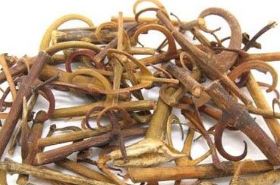
- Wu Gong (Centipede): 10 grams – A potent herb used to unblock channels, dispel wind, and dissolve hardened masses.
- Hong Hua (Safflower): 10 grams – Powerfully invigorates blood and dispels stasis.
- Niu Xi (Achyranthes Root): 12 grams – Guides herbs downwards, invigorates blood, and strengthens tendons and bones.
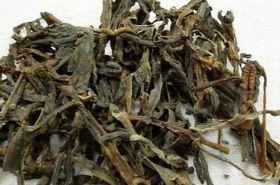
- Xia Ku Cao (Prunella Vulgaris Spike): 15 grams – Clears liver fire, dissipates nodules, and reduces swelling.
- Mu Li (Oyster Shell): 15 grams – Softens hardness, dissipates nodules, and calms the spirit.
- Gan Cao (Licorice Root): 10 grams – Harmonizes the actions of other herbs and moderates their intensity.
Usage: Brew one dose daily with water, taken twice a day.
Source: From "TCM Phlegm Disease Studies" (《中医痰病学》).
Remarkably Restorative: A Holistic Approach for Deficiency and Cold-Dampness
Another common TCM pattern presenting with Peyronie's disease involves deficiencies of the Spleen and Kidney, often combined with "Cold-Dampness Congealing" and blocked channels. This means the body's core energy (Qi) and vital substances are depleted, and cold, heavy dampness has settled, creating obstructions.
The Diagnosis: Spleen and Kidney Deficiency with Cold-Dampness Obstruction
In this diagnosis, the Spleen, responsible for digestion and transforming fluids, and the Kidneys, the foundation of Yin and Yang, are weak. This weakness allows cold and dampness to accumulate, leading to stagnation and blockages in the meridians (energy channels). The resulting lack of warmth and circulation can contribute to the formation of hard, rigid tissues (PMID: 36691459).
The Treatment Principle: Invigorating Blood, Unblocking Channels, and Softening Hardness
The goal here is to "Invigorate Blood, Unblock Channels, and Soften Hardness and Dissipate Lumps." This approach not only addresses the physical lumps but also warms the body, strengthens the Spleen and Kidney, and promotes healthy fluid metabolism to prevent further accumulation.
Introducing: Dan Shen San Jie Tang
This formula aims to nourish the Spleen and Kidneys while clearing obstructions:
- Dan Shen (Salvia Miltiorrhiza Root): 12 grams – A powerful herb for invigorating blood, breaking blood stasis, and clearing heat from the heart.
- Xuan Shen (Scrophularia Root): 12 grams – Nourishes Yin, clears heat, and softens hardness.
- Bai Jie Zi (White Mustard Seed): 10 grams – Warms the lungs, dissolves phlegm, and dissipates nodules.
- Shan Yao (Chinese Yam): 10 grams – Tones the Spleen and Kidney, nourishes Yin, and consolidates essence.
- Si Gua Luo (Luffa Sponge): 10 grams – Unblocks channels, invigorates blood, and dissipates swelling.
- Ju He (Orange Seed): 10 grams – Regulates Qi, alleviates pain, and dissipates lumps, especially in the lower abdomen.
- Sheng Di (Rehmannia Root, Raw): 10 grams – Clears heat, cools blood, and nourishes Yin.
- Shu Di (Rehmannia Root, Prepared): 10 grams – Powerfully nourishes Kidney Yin and essence, enriching blood.
- E Zhu (Curcuma Zedoaria): 10 grams – Breaks blood stasis, promotes Qi movement, and dissipates food stagnation.
- Rou Gui (Cinnamon Bark): 6 grams – Warms the Kidneys, Spleen, and Heart, dispels cold, and invigorates blood.
- Jin Yin Hua Teng (Honeysuckle Vine): 30 grams – Clears heat and detoxifies, unblocks channels.
- Ji Xue Teng (Spatholobus Stem): 20 grams – Invigorates blood, unblocks channels, and relaxes tendons.
Usage: Brew one dose daily with water, taken twice a day.
Source: From "Journal of Traditional Chinese Medicine" (《中医杂志》).
Remember, while these formulas are carefully crafted, individual needs vary greatly. It's always best to work with a qualified TCM practitioner who can provide a personalized diagnosis and prescription tailored to your unique condition (PMID: 27040941).
(PMID: 30048602) A review of TCM diagnostic patterns for male reproductive issues, highlighting the role of blood stasis.
(PMID: 36691459) Research on the therapeutic effects of Traditional Chinese Medicine on various fibrotic conditions, including its mechanisms for softening hardness.
(PMID: 27040941) A meta-analysis discussing the efficacy and safety of herbal medicines in treating chronic inflammatory and fibrotic diseases.
Quick Self-Test & 30-Second Self-Rescue Combo
If you're noticing hardened areas or discomfort:
If you feel cold in your lower back or extremities, or experience dull, achy pain that feels better with warmth, immediately try warming compresses or a hot bath to improve local circulation.
If you feel a persistent sense of internal heat, or experience sharp, fixed pain, immediately try gentle stretching or acupressure on areas like Liver 3 (between the big toe and the second toe) to help move stagnant Qi and blood.
For informational purposes only. Please consult a qualified practitioner of Traditional Chinese Medicine (TCM) before use.