Epididymitis, a common condition affecting the male reproductive system, often stems from an infection spreading from nearby organs. It particularly impacts young and middle-aged men. When acute, epididymitis typically manifests as sudden, sharp pain in the scrotum, rapid swelling of the epididymis (the coiled tube behind the testicle), and significant tenderness upon touch. This might even come with a fever.
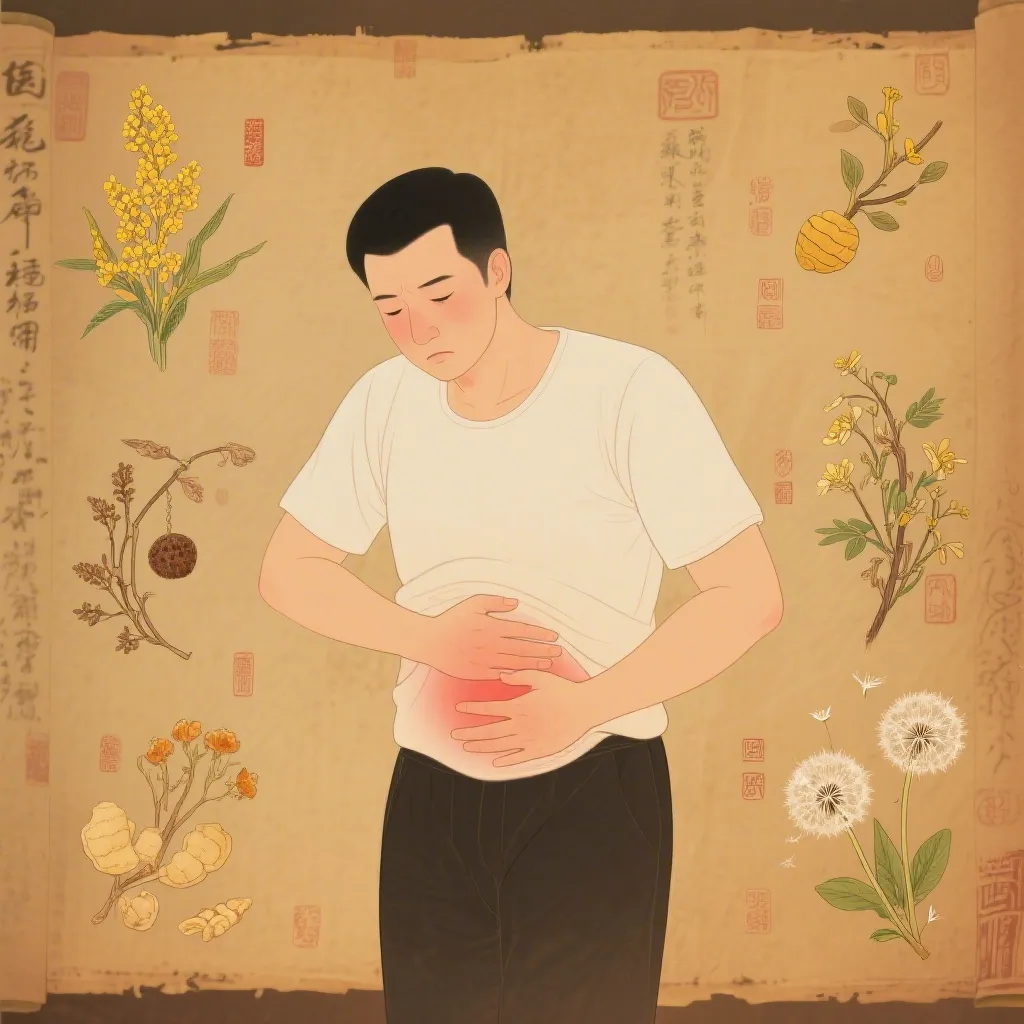
If not thoroughly addressed during its acute phase, it can sadly progress to chronic epididymitis. This lingering form is characterized by a hardened lump in the epididymis, potentially accompanied by a sensation of scrotal heaviness, a dull, persistent ache, and lower abdominal cramping. While the original article focuses on epididymitis, it then broadens to "testicular inflammation" (orchitis), which refers to inflammation of the testicle itself. Traditional Chinese Medicine (TCM) offers a holistic perspective, identifying specific patterns of imbalance to guide treatment for these uncomfortable conditions.
Exploring Traditional Chinese Medicine's Approach to Testicular Pain
In TCM, conditions like orchitis and epididymitis aren't just about localized inflammation; they're viewed as manifestations of deeper imbalances within the body's energy (Qi) and fluid systems. Identifying these distinct patterns is crucial for prescribing the most effective herbal remedies. Here are three common TCM approaches:
When Damp-Heat Accumulates: The Burning Discomfort
This pattern often presents with a range of acute, intense symptoms. You might experience fever and chills, severe swelling and pain in the testicles, which feel hard to the touch. Urination can be difficult and result in scanty, reddish urine with a burning sensation, and stools might be dry. The tongue typically appears red with a greasy, yellow coating, and the pulse feels wiry, slippery, and rapid. This indicates an internal fire stoked by excess dampness.
Treatment Principle: Our goal here is to clear out the damp-heat, detoxify the area, and reduce swelling.
Herbal Formula: A classic blend might include Huang Qin (Scutellaria), Zhi Zi (Gardenia), Mu Tong (Akebia), Che Qian Zi (Plantain Seeds, wrapped for decoction), Ze Xie (Alisma), Dang Gui (Angelica Sinensis), Sheng Di (Rehmannia Root) – all at 10 grams, with Chai Hu (Bupleurum) at 6 grams, Gan Cao (Licorice Root) at 12 grams, Long Dan Cao (Gentian Root) at 15 grams, and a generous 20 grams each of Jin Yin Hua (Honeysuckle Flower) and Chuan Lian Zi (Sichuan Chinaberry Fruit). Many of these herbs are known for their cooling and anti-inflammatory effects. Scutellaria baicalensis (Huang Qin) has shown significant anti-inflammatory and immunomodulatory properties, which can be beneficial in managing inflammatory conditions. (PMID: 32269931)
Addressing Stagnant Qi and Blood: Easing Persistent Hardness
This pattern tends to develop more gradually, often leading to a testicle that is progressively enlarging and feels firm or hard when touched, though the pain might be relatively mild. Your tongue might look dark or purplish, possibly with small bruised spots on the edges, and have a thin white coating. The pulse often feels wiry and slippery. This indicates a blockage in the smooth flow of Qi and Blood within the meridians.
Treatment Principle: The aim is to move Qi, invigorate Blood, and break down any hardened masses.
Herbal Formula: A typical prescription could feature Ju He (Tangerine Seed), Mu Xiang (Costus Root), Zhi Shi (Immature Bitter Orange), Hou Po (Magnolia Bark), Chuan Lian Zi (Sichuan Chinaberry Fruit), Tao Ren (Peach Kernel), and Yan Hu Suo (Corydalis Tuber) – all at 10 grams. Adding 15 grams each of Kun Bu (Kelp) and Hai Zao (Seaweed), 6 grams of Mu Tong (Akebia), and 15 grams each of Sheng Di (Rehmannia Root), Yuan Shen (Scrophularia Root), Ju Hua (Chrysanthemum Flower), and Pu Gong Ying (Dandelion). Finally, 30 grams of Lu Han Cao (Pyrola Herb) completes this formula. This combination aims to soften hardness and promote circulation. Dandelion (Taraxacum officinale) is recognized in herbal medicine for its diuretic and anti-inflammatory properties, often employed in TCM to clear heat and resolve toxic conditions. (PMID: 30141979)
Healing from Injury: Tackling Blood Stasis and Swelling
This pattern usually arises from direct trauma to the testicles, leading to swelling and pain, which can sometimes be accompanied by redness and a burning sensation. The tongue might appear distinctly bluish or purplish with bruised spots on the edges, and the pulse feels thready and choppy. This is a clear sign of blood failing to circulate properly, leading to localized congestion.
Treatment Principle: We focus on invigorating Blood, dispelling stagnant blood, and alleviating pain.
Herbal Formula: A formula designed for this might include 10 grams each of Chai Hu (Bupleurum), Dang Gui (Angelica Sinensis), Tao Ren (Peach Kernel), and Chuan Shan Jia (Pangolin Scales – ethically sourced alternatives are often used due to conservation concerns). Adding 8 grams each of Hong Hua (Safflower) and Da Huang (Rhubarb), 15 grams of Tian Hua Fen (Trichosanthes Root), and 20 grams each of Pu Gong Ying (Dandelion) and Jin Yin Hua (Honeysuckle Flower). This blend helps break up blood stasis and reduce inflammation. Lonicera japonica (honeysuckle) is traditionally used for its cooling and detoxifying effects, supported by research demonstrating its anti-inflammatory actions. (PMID: 29778738)
The good news is that testicular inflammation is treatable. By pursuing timely, systematic, and effective treatment, it is absolutely possible to prevent lasting damage to the testicles and ensure a full recovery.
References:
Quick Self-Test & 30-Second Self-Rescue
If you experience sudden, severe scrotal pain accompanied by fever, immediately seek Western medical attention, as this could indicate an acute infection requiring urgent care.
If you notice a hardened lump in your scrotum with a persistent dull ache but no fever, immediately consider consulting a qualified TCM practitioner to identify the underlying pattern and discuss targeted herbal support.
If you've had a recent injury to your testicles leading to swelling and pain, immediately apply a cold compress for 15-20 minutes to help reduce swelling, and rest to prevent further trauma, then consider a TCM consultation for blood stasis.
For informational purposes only. Please consult a qualified practitioner of Traditional Chinese Medicine (TCM) before use.