Experiencing lower back pain after intimacy can be a real drag, and it's a surprisingly common concern for many. While modern medicine often focuses on structural issues or inflammation, Traditional Chinese Medicine (TCM) looks deeper, identifying underlying imbalances that contribute to this discomfort. Instead of a one-size-fits-all approach, TCM customizes remedies based on your specific body patterns. Let's explore two classic dietary formulas from TCM, designed to gently support your body and ease that post-coital back ache.
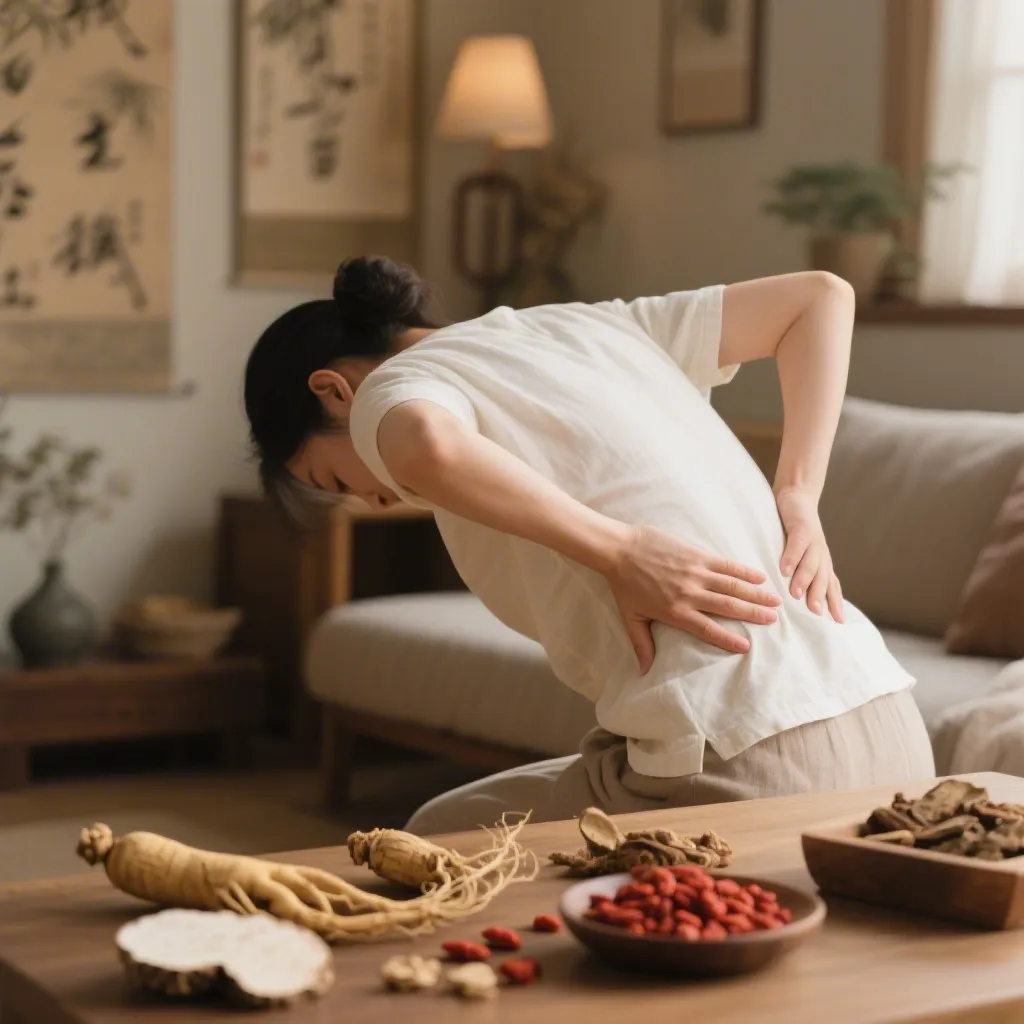
Suddenly Aching? Addressing Post-Coital Lower Back Pain from External Wind-Dampness
Sometimes, lower back pain after sex isn't just muscle strain. In TCM, it can be a sign of "external wind-dampness" invading your body, often triggered by exposure to cold, damp environments, or even just feeling particularly fatigued and vulnerable. This pattern manifests as a distinctive heavy, dull ache.
Understanding the Pattern: Wind-Damp Invasion
If your post-coital lower back pain feels heavy, as if you're carrying a wet blanket, or if it worsens in damp, chilly weather, you might be experiencing a wind-damp invasion. Other signs can include a feeling of sluggishness, numbness, or even swelling in the affected area. This is essentially your body's energy (Qi) circulation being obstructed by environmental factors, leading to stagnation and pain.
The Strategy: Powerfully Expelling Wind and Dampness
The core principle here is to clear out the "bad stuff" – the wind and dampness – that's causing the blockage and pain. We want to open up the channels and allow your body's natural flow to resume. This isn't about simply masking the pain; it's about addressing the root cause by resolving the environmental influences stuck in your system.
Formula Spotlight: Gentle Waist Decoction (轻腰汤)
This classic formula aims to clear dampness and dispel wind, offering relief for those heavy, achy lower back pains. It comes from the ancient text `《辩证录》卷二`.
- Ingredients:
- Bai Zhu (白术) - Atractylodes macrocephala root: 30 grams. Known for its powerful ability to dry dampness and strengthen the Spleen, which is central to fluid metabolism in TCM. (PMID: 33139886)
- Yi Yi Ren (薏苡仁) - Coix lacryma-jobi seed (Job's Tears): 30 grams. A fantastic herb for draining dampness, promoting urination, and easing swelling.
- Fu Ling (茯苓) - Poria cocos mushroom: 25 grams. Another key player in dampness resolution, also known to calm the spirit and strengthen the Spleen.
- Fang Ji (防己) - Stephania tetrandra root: 1.5 grams. Specifically targets wind-dampness, helping to relieve pain and reduce swelling.
- Usage: Brew these ingredients in water. Drink one dose daily for two consecutive days.
Feeling Weak? Nurturing Post-Coital Lower Back Pain from Kidney Yang Deficiency
Sometimes, lower back pain isn't about external invaders but an internal depletion, particularly of what TCM calls "Kidney Yang." The Kidneys are considered the root of life, housing your fundamental energy, and when their Yang energy is weak, it can manifest as chronic, dull lower back pain that feels worse with exertion.
Understanding the Pattern: Kidney Yang's Gentle Decline
If your lower back pain after sex is more of a dull ache, feels cold, gets worse with fatigue or exertion, and is accompanied by other symptoms like cold hands and feet, frequent urination, a feeling of weakness in your knees, or general low energy, you might be dealing with Kidney Yang deficiency. This pattern signifies that your body's warming and vitalizing energy is depleted, leading to a lack of support for your lumbar region.
The Strategy: Vigorously Boosting Kidney Yang and Spleen Qi
The goal here is to replenish and warm the Kidneys' vital energy, and simultaneously strengthen the Spleen. The Spleen is crucial for converting food into energy (Qi) and blood, providing the building blocks that the Kidneys need to thrive. By supporting both, we aim to fortify your core strength and restore warmth and vitality to your lower back.
Formula Spotlight: Kidney & Spleen Fortifying Decoction (补肾健脾益气方)
This nourishing formula focuses on tonifying both the Kidney Yang and Spleen Qi, strengthening your body's fundamental energies to support a robust lower back. This prescription is found in `《先醒斋医学广笔记》卷二`.
- Ingredients:
- Fu Ling (茯苓) - Poria cocos mushroom: 9 grams. Helps drain dampness and supports the Spleen.
- Bai Zhu (白术) - Atractylodes macrocephala root: 9 grams. Strengthens the Spleen and dries dampness.
- Chen Pi (陈皮) - Dried tangerine peel: 9 grams. Regulates Qi, helps digestion, and prevents stagnation, allowing other herbs to work more smoothly.
- Ren Shen (人参) - Panax ginseng root: 6 grams. A powerful Qi tonic, it greatly boosts overall energy, strengthens the Spleen, and supports the Kidneys. (PMID: 36399434)
- Sheng Di Huang (生地黄) - Rehmannia glutinosa root: 6 grams. While Sheng Di Huang primarily nourishes Kidney Yin and clears heat, in combination with Qi and Yang tonics, it provides essential nourishing support without becoming cloying, ensuring a balanced approach to kidney fortification.
- Gou Qi Zi (枸杞子) - Goji berry / Lycium barbarum fruit: 30 grams. A wonderful herb for nourishing both Liver and Kidney Yin and blood, it gently supports kidney function and improves vitality.
- Mai Men Dong (麦门冬) - Ophiopogon japonicus root: 15 grams. Primarily nourishes Lung and Stomach Yin, but its moistening properties also support general fluid balance, which is important when tonifying.
- Usage: Add 300 ml of river water (or regular water if river water isn't available) to the herbs and simmer until approximately 240 ml of liquid remains. Remove the dregs and drink warm.
Remember, these are traditional approaches. While many find relief with these methods, individual results can vary. Always listen to your body and consult with a healthcare professional.
References
(PMID: 33139886: Atractylodes macrocephala (Bai Zhu) is widely recognized in TCM for its efficacy in strengthening the Spleen and drying dampness, crucial for digestive health and fluid metabolism. ) (PMID: 36399434: Panax ginseng (Ren Shen) is highly valued for its adaptogenic properties, significantly boosting Qi, reducing fatigue, and supporting overall organ function, especially the Spleen and Kidneys. ) (PMID: 30678857: Traditional Chinese Medicine, encompassing herbal therapy and other modalities, offers effective strategies for managing various forms of chronic lower back pain by addressing the root causes of imbalance. )Quick Check & Instant Relief:
If your post-coital back pain feels heavy, achy, and worse in damp, chilly weather, and you feel sluggish: Immediately try applying a warm, dry compress to your lower back. Avoid cold drinks and prioritize rest in a dry, warm environment.
If your pain is a dull, persistent ache that improves with rest but is accompanied by fatigue, weakness in your knees, or cold hands/feet: Immediately try some gentle lower back stretches like the "cat-cow" yoga pose to gently mobilize the area. A simple warm ginger tea can help warm your core.
For informational purposes only. Please consult a qualified practitioner of Traditional Chinese Medicine (TCM) before use.