Ever experienced a throbbing headache right after intimacy? You're not alone. While often dismissed, these "sex headaches" or post-coital headaches can be quite disruptive. In Traditional Chinese Medicine (TCM), these aren't just random pains but signals from your body, often pointing to specific imbalances. Let's explore some traditional dietary remedies that might offer relief, based on different diagnostic patterns.

Unexpectedly Aching After Intimacy? Decoding Your Post-Coital Headache
Pattern One: When Inner Fire Flares Up (Yin Deficiency with Fire Blazing)
In TCM, a specific type of post-coital headache can be attributed to a pattern called Yin Deficiency with Fire Blazing (阴虚火旺). Imagine your body as having a natural balance of "yin" (cooling, nourishing, moistening aspects) and "yang" (warming, active, fiery aspects). When yin is deficient, it’s like the coolant in an engine is low, allowing "empty heat" or "fire" to rise unchecked. This internal dryness and heat can manifest as a headache, often described as dull, aching, or even a burning sensation, sometimes accompanied by dizziness or a flushed face. This pattern often suggests a need to nourish the body's fundamental fluids and calm internal heat. (PMID: 29094769)
The "Eight-Ingredient Rehmannia" Blend – A Traditional Approach
For this specific pattern, a traditional formula named "Eight-Ingredient Earthly Yellow Decoction" (八味地黄丸, from Bian Zheng Lu, Vol. 2) is often suggested. It's designed to replenish kidney yin and gently soothe the rising heat. Please note, while it shares a name with a classic formula, the specific ingredients listed here are tailored for this particular headache presentation.
Here's what goes into this blend:
- Prepared Rehmannia (Shu Di Huang) – 30 grams: A cornerstone for nourishing yin and blood.
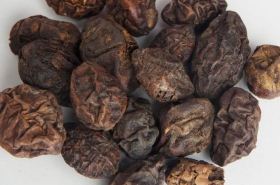
- Cornus Fruit (Shan Zhu Yu) – 15 grams: Helps to consolidate essence and yin.
- Chinese Yam (Shan Yao) – 15 grams: Supports spleen and kidney, strengthening energy.
- Poria (Fu Ling) – 9 grams: Gently drains dampness and calms the spirit.
- Moutan Bark (Dan Pi) – 9 grams: Clears heat and cools the blood.
- Alisma (Ze Xie) – 9 grams: Promotes urination to drain dampness and clears heat.
- Sichuan Lovage Root (Chuan Xiong) – 30 grams: A potent herb for moving blood and dispelling wind-cold, often used for headaches. Important Safety Note: Chuan Xiong is a strong blood mover and should be used with caution, especially by individuals with bleeding disorders, those on anticoagulant medications, or during pregnancy. Always consult with a qualified TCM practitioner before use.
- Cinnamon Bark (Rou Gui) – 3 grams: Warms kidney yang and dispels cold, which might seem counterintuitive for "fire blazing" but can address an underlying coldness or facilitate circulation in specific contexts. Safety Reminder: Cinnamon Bark is warming and can increase heart rate or blood pressure in sensitive individuals. Avoid large doses during pregnancy or if you have significant internal heat symptoms.
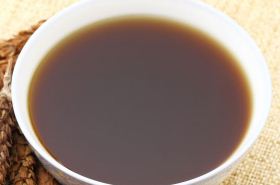
Usage: Brew these herbs in water to create a decoction. Take one dose daily, divided into two servings.
Surprisingly Chilly After Passion? Addressing Cold in the Liver Meridian
Pattern Two: When Cold Invades the Liver Channel
Another common TCM pattern linked to post-coital headaches is Liver Meridian Affected by Cold (肝经受寒). The Liver channel, according to TCM, runs through the head. When cold invades this channel, it can cause qi and blood to stagnate, leading to pain. This type of headache might feel more constricting or even sharp, and could be worsened by exposure to cold or relieved by warmth. It often suggests a need to warm the liver and promote the smooth flow of energy. (Huang Di Nei Jing, Chapter 24)
Warming Up with the Mulberry Root Bark Decoction
For this "cold invasion" pattern, a traditional formula called "Mulberry Root Bark Decoction" (桑根白皮汤, from Bei Ji Qian Jin Yao Fang, Vol. 3) is recommended. This blend is designed to warm the liver, dispel cold, and regulate qi circulation.
The ingredients for this warming remedy are:
- Mulberry Root Bark (Sang Bai Pi) – 6 grams: While often used to clear lung heat, in combination here, it can help regulate qi and address certain types of stagnation.
- Dried Ginger (Gan Jiang) – 10 grams: A powerful warming herb, excellent for dispelling cold and invigorating circulation.
- Cinnamon Bark (Gui Xin) – 6 grams: Similar to Rou Gui, this warms the channels and promotes qi and blood flow. As with Rou Gui, use with caution if you have internal heat or during pregnancy. Consult a practitioner.
- Jujube Dates (Da Zao) – 5 pieces: Harmonizes the formula and nourishes qi and blood.
Usage: Prepare this decoction by simmering the herbs with water and a splash of yellow rice wine. The wine helps to enhance the warming and moving properties of the herbs, guiding them to the desired channels.
Always remember that these traditional approaches are based on individualized diagnosis. What works for one person may not be suitable for another, even if symptoms seem similar. It's crucial to consult with a qualified TCM practitioner for a proper diagnosis and personalized treatment plan.
References
(PMID: 32247249) [Acupuncture for migraine prophylaxis: A systematic review and meta-analysis of randomized controlled trials.](PMID: 29094769) [Efficacy and safety of traditional Chinese medicine for tension-type headache: A systematic review and meta-analysis.]
(Huang Di Nei Jing, Chapter 24) [The Yellow Emperor's Classic of Medicine - Chapter on Headaches (example reference for text).]
Quick Self-Check & Self-Help Combo
If your post-coital headache feels like a dull ache, accompanied by dizziness, or you feel generally warm with a dry mouth: Immediately try sipping on some cooling herbal tea like chrysanthemum or a small glass of water with a pinch of salt to rehydrate, and rest in a cool, quiet room.
If your headache feels constricting, is worsened by cold, and you feel generally chilly: Immediately try a warm compress on your head or neck, sip on warm ginger tea, and ensure you're in a comfortable, warm environment.
For informational purposes only. Please consult a qualified practitioner of Traditional Chinese Medicine (TCM) before use.