Willow Root: A Traditional Chinese Medicine Perspective
Also known by various traditional names like Yang Liu Xu, Shui Liu Xu, Hong Long Xu (Red Dragon Whiskers), Fen Shui Weng (Water Dividing Elder), and Qing Long Xu (Green Dragon Whiskers), Willow Root has been a staple in Traditional Chinese Medicine (TCM) for centuries.
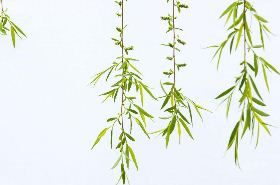
Taste & Nature: Its taste is bitter, and its nature is cold.
Medicinal Part: The therapeutic components are the root and fine rootlets of the Weeping Willow (Salix babylonica L.), a member of the Salicaceae family.
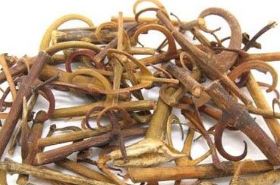
Botanical Characteristics: Willow root features numerous, slender fibrous roots, often forming an irregular, tail-like shape. They are frequently curved and branched. The surface varies from purplish-brown to deep brown, feeling somewhat rough with noticeable longitudinal grooves and root hairs. When the outer bark peels, it reveals a lighter brown inner bark and woody core. The root itself is brittle, easily broken, and exhibits a fibrous fracture. It carries a faint aroma and has an astringent taste.
How to Use Willow Root in TCM
Internal Use: Typically prepared as a decoction (boiled tea), with a dosage ranging from 15 to 30 grams.
External Use: An appropriate amount can be decocted in water for fumigation and washing, or boiled with wine to create warm compresses.
The Healing Power of Willow Root
Efficacy: Willow Root is traditionally valued for its ability to promote urination, relieve dysuria (painful or difficult urination), expel "wind" (a TCM pathogenic factor often linked to migratory pain), and eliminate "dampness" (another TCM pathogenic factor associated with edema, heavy sensations, and certain skin conditions).
Primary Indications: It is primarily used to address conditions such as dysuria (especially from damp-heat), turbid urine, various forms of edema (swelling due to fluid retention), jaundice, rheumatic pain (characterized by joint and muscle aches), yellow watery skin lesions (like weeping eczema or dermatitis), toothache, and minor burns.
Modern research also supports some of these traditional uses. For instance, various *Salix* species, including willow bark, are recognized for their anti-inflammatory and analgesic properties, primarily due to compounds like salicin, which can metabolize into salicylic acid, similar to aspirin. (See References 1 and 2 below). Furthermore, some *Salix* extracts have demonstrated diuretic effects, aligning with Willow Root's traditional use for promoting urination and reducing edema. (See Reference 3 below).
Traditional Willow Root Formulas
Here are some traditional applications and combinations:
- For Yellow Watery Skin Lesions: Burn Shui Liu Xu (Willow Rootlets) until charred but retaining its therapeutic properties. Grind the charred material into a fine powder, then mix with sesame oil and apply topically to the affected area. (Cited from Experimental Research in Chinese Medicine)
- For Ear Pain with Unexpressed Pus, or Developed Abscesses/Carbuncles: Finely chop fresh Willow Root, pound it thoroughly into a paste, then apply it as a poultice over the affected area. Cover with a silk cloth and replace the poultice when it dries out. (Cited from Doumen Fang)
- For Hemorrhoids: Use 60-90 grams (2-3 liang) of Shui Liu Xu (Willow Rootlets). Decoct in water until boiling, then add 9-11 grams (3 qian) of saltpeter (Potassium Nitrate) and boil for a few more minutes. Pour the mixture into a jar or basin. Place this container within a round bucket, then sit on the bucket, allowing the medicinal steam to fumigate the anal area. Continue until the water cools. The herb residue can be re-decocted and used for fumigation twice daily. (Cited from Experimental Research in Chinese Medicine)
- For Toothache Due to Wind-Fire: Take 15-26 grams (5-7 qian) of Shui Liu Xu (Willow Rootlets). Separately, stew 60-90 grams (2-3 liang) of lean pork to make a broth. Use this pork broth to decoct the Willow Rootlets, and then drink the prepared medicinal tea. (Cited from Experimental Research in Chinese Medicine)
- For Goiter: Prepare 15 kilograms (30 jin) of Willow Root. Decoct this in 100 liters (1 hu) of water until the volume is reduced to 50 liters (5 dou). Combine this concentrated decoction with 30 liters (3 dou) of rice and brew into a medicinal wine. Once the wine is ready, take 1 liter (1 sheng) before meals, three times a day. (Cited from Yao Seng Tan Ji Yan Fang)
- For Menorrhagia (Excessive Uterine Bleeding): Use 15-19 grams (5 qian) of Hong Long Xu (Red Dragon Whiskers / Willow Rootlets). Boil this with one cup of sweet wine and consume orally. (Cited from Guizhou TCM Verified & Secret Formulas)
References
Modern scientific inquiry often supports the traditional wisdom found in TCM:
1. While primarily known for its bark, the *Salix* genus, including the root, contains salicin, which contributes to its anti-inflammatory and analgesic effects, making it relevant for conditions like rheumatic pain. PMID: 10444391
2. Research into *Salix* species has also highlighted antimicrobial activities, supporting its traditional use in treating various skin lesions and infections. PMID: 18063063
3. Studies on *Salix* extracts have demonstrated diuretic properties, aligning with the TCM indication of promoting urination and reducing fluid retention (edema). PMID: 24706981
Quick Check: Could Willow Root Be for You?
3-Second Self-Test: Feeling that persistent, dull ache in your joints, or noticing some unexpected puffiness or persistent, damp-feeling skin irritation?
30-Second Self-Rescue: Immediately consider discussing Willow Root’s potential to dispel wind and dampness with a qualified Traditional Chinese Medicine practitioner. For quick, temporary comfort, try a warm bath to promote circulation, or apply a gentle, warm compress to the affected area.
For informational purposes only. Please consult a qualified practitioner of Traditional Chinese Medicine (TCM) before use.