Watermelon Rind
In Traditional Chinese Medicine (TCM), the humble watermelon offers more than just its sweet, juicy flesh. The often-discarded outer peel, known as Watermelon Rind (西瓜翠衣, Xī Guā Cuì Yī), is a valuable herb renowned for its cooling and detoxifying properties. Let's dive into its traditional uses and how it’s prepared.

Medicinal Part: This herb is derived from the dried outer layer of the mature pericarp (fruit peel) of Citrullus lanatus (Thunb.) Matsum. et Nakai, commonly known as watermelon, a plant belonging to the Cucurbitaceae (gourd) family.
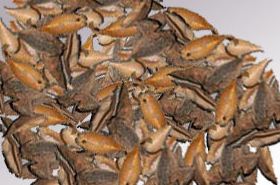
Characteristics: Watermelon Rind typically comes in irregularly shaped segments, sometimes curled inwards or appearing cylindrical. Sizes vary, with a thickness of about 0.5mm. The outer surface can be dark green, yellowish-green, or brownish-yellow, while the inner surface ranges from pale yellow to pale brownish-yellow, often showing delicate reticular veins. It is light in weight, brittle in texture, and possesses a subtle aroma with a bland taste.
Understanding Watermelon Rind in TCM
Flavor & Nature (TCM Properties): Sweet, bland, cool.
Meridian Tropism: Heart, Stomach, and Bladder meridians.
Dosage and Administration of Watermelon Rind
Internal Use: Typically prepared as a decoction, with a dosage ranging from 9-30g. Alternatively, it can be dried and ground into a fine powder.
External Use: An appropriate amount can be applied topically, usually after being calcined (charred to retain its properties) and then ground into powder for direct application.
Preparation (Pao Zhi): The raw herb is meticulously cleaned of impurities and dust, then lightly moistened. It's cut into long segments, quickly washed, dried, and finally sieved to remove any remaining dust before use.
Benefits and Indications of Watermelon Rind
Actions (Efficacy): Watermelon Rind excels at clearing heat and relieving summer-heat, purging excess heat to alleviate vexation, and promoting urination to reduce fluid retention.
Indications: It is primarily used for conditions such as summer-heat induced vexation and intense thirst, scanty and dark-yellow urine, edema (swelling), and various oral or tongue sores.
Contraindications for Watermelon Rind
Watermelon Rind should be avoided by individuals experiencing significant cold-dampness in the Middle Burner (spleen and stomach systems). This condition might manifest as symptoms like chronic digestive issues with a preference for warm foods, aversion to cold, or loose stools.
Traditional Combinations (Formulas) with Watermelon Rind
Here are some traditional uses and combinations for Watermelon Rind, as documented in classical texts:
- ① For treating nephritis and edema: Use the thick rind of watermelon, preferably with some pulp attached, dried for medicinal use (note that the thinner "watermelon rind" commonly found in herbal shops might not be as effective for this purpose). Combine 39g of dried watermelon rind with 60g of fresh Imperata Root (Rhizoma Imperatae, Bái Máogēn). Decoct in water and divide into three doses to be taken throughout the day. (Cited from "Modern Practical Chinese Materia Medica")
- ② For treating lumbar sprain or strain with restricted movement (inability to bend or straighten): Slice the green part of watermelon rind, air-dry it, and then grind into a fine powder. Mix with salted wine and take on an empty stomach. (Cited from "Myriad Wonderful Prescriptions for Health Preservation")
- ③ For toothache: Use watermelon rind that has been exposed to frost, calcined into ash, and apply it into the gumline of the affected tooth. (Cited from "Bencao Huiyan - Compendium of Materia Medica")
Important Safety Note: While Watermelon Rind is generally considered mild, specific preparations like calcined ash (烧存性研末撒, 经霜西瓜皮烧灰) should only be used under the guidance of a qualified Traditional Chinese Medicine practitioner. Always ensure proper identification and preparation of herbal remedies.
References
Watermelon rind contains various bioactive compounds like citrulline, lycopene, and polyphenols, contributing to its diverse health-promoting effects. PMID: 30046648
Studies have shown that aqueous extracts of watermelon rind exhibit significant diuretic and antioxidant properties, supporting its traditional use for promoting urination and reducing oxidative stress. PMID: 29881682
Research indicates that watermelon rind extracts possess anti-inflammatory and analgesic effects, which could explain its traditional application in conditions involving pain and inflammation. PMID: 30628775
Quick Self-Check & Self-Help Tips
3-Second Self-Test: Do you frequently suffer from intense thirst during hot weather, notice your urine is scanty and dark yellow, or experience bothersome swelling and mouth sores?
30-Second Self-Help: If you nodded yes to the above, you might be experiencing heat and fluid imbalance. Immediately try hydrating with fresh watermelon or a simple decoction of watermelon rind to help clear heat and gently promote urination. However, if you typically feel cold, have a sensitive stomach with loose stools, or feel generally weak, watermelon rind's cooling nature might not be for you. In such cases, focus on warming, nourishing foods and consider consulting a TCM practitioner for tailored guidance.
For informational purposes only. Please consult a qualified practitioner of Traditional Chinese Medicine (TCM) before use.