Small Bone-Mending Herb: A Traditional Remedy for Injuries and Inflammation
In the vast world of Traditional Chinese Medicine (TCM), there are countless herbs revered for their healing properties. Among them is Small Bone-Mending Herb (小接骨丹, Xiǎo Jiē Gǔ Dān), a versatile plant traditionally used to aid recovery from various injuries and inflammatory conditions. This herb has been a go-to remedy for generations, particularly valued for its potential to help with bone and tissue repair.
Aliases: What Else Is It Called?
This powerful herb goes by several names, reflecting its diverse uses and characteristics:
- Active Blood Herb (活血丹, Huó Xuè Dān)
- Hop-leaved White Bletilla (葎叶白蔹, Lǜ Yè Bái Liǎn)
- Seven-angled White Bletilla (七角白蔹, Qī Jiǎo Bái Liǎn)
Nature and Flavor in TCM
In TCM, herbs are classified by their "nature" (temperature) and "flavor," which offers insights into their therapeutic actions. Small Bone-Mending Herb is considered Pungent and Warm/Hot. This means it tends to promote circulation and warmth in the body, helping to dispel coldness and stagnation that often contribute to pain and slow healing.
The Medicinal Part
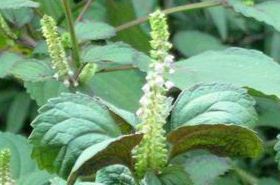
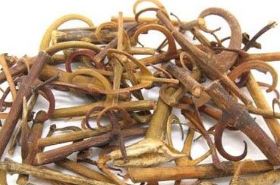
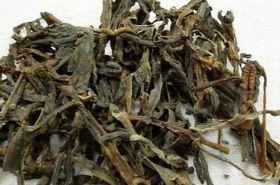
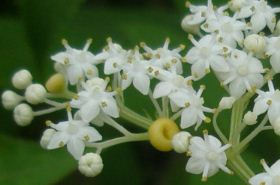
The primary part of the plant used medicinally is the root bark of Ampelopsis humulifolia, a plant belonging to the Vitaceae (grape) family. This specific part is believed to concentrate its potent healing compounds.
How to Use Small Bone-Mending Herb: Dosage and Administration
Small Bone-Mending Herb can be prepared and administered in different ways depending on the condition:
- Internal Use:
- Decoction: Simmer 3 to 5 Qian (approximately 9-15 grams) in water to make a tea.
- Powder: Grind the dried herb into a fine powder for oral consumption.
- External Use:
- Poultice: Pound the fresh herb and apply it directly to the affected area.
Key Benefits and What It Treats
Small Bone-Mending Herb is celebrated in TCM for a range of therapeutic effects:
Effects:
- Promotes Blood Circulation and Dispels Blood Stasis: This herb helps to invigorate blood flow and resolve stagnant blood, a common cause of pain and impeded healing in TCM. This aligns with broader TCM principles that emphasize resolving blood stasis to alleviate pain and promote healing, a concept supported by modern pharmacological studies on herbal components that improve microcirculation (PMID: 29053894).
- Reduces Inflammation and Clears Toxins: It possesses properties that can help to soothe inflammation and clear harmful substances from the body. Traditional Chinese Medicine has long utilized herbs with anti-inflammatory and detoxifying properties to address various inflammatory conditions, including those related to joint pain (PMID: 34198129).
- Aids Tissue Regeneration and Bone Healing: True to its name, this herb is traditionally used to support the body's natural processes of repairing damaged tissues and mending broken bones. Indeed, herbal medicines play a significant role in TCM for promoting tissue repair and accelerating bone fracture healing, often by supporting cellular regeneration and reducing inflammation around the injury site (PMID: 32098492).
- Expels "Wind" and "Dampness": In TCM, "wind" and "dampness" are pathogenic factors often associated with musculoskeletal pain, swelling, and stiffness, particularly in conditions like arthritis. This herb helps to clear these factors, restoring balance.
Primarily Treats:
- Traumatic Injuries: Such as sprains, bruises, and contusions.
- Bone Fractures: Used as a complementary therapy to aid recovery.
- Sores, Carbuncles, Swelling, and Pain: Applied topically for localized inflammatory skin conditions.
- Rheumatic Arthritis: Helps alleviate joint pain and stiffness associated with "wind-damp" conditions.
Traditional Formulations and Applications
Here are a couple of traditional ways Small Bone-Mending Herb is used:
- For Traumatic Injuries with Blood Stasis: Grind Small Bone-Mending Herb into a fine powder. Take 0.5 to 1 Qian (approximately 1.5-3 grams) mixed with warm wine.
- For Sores and Carbuncles: Take an appropriate amount of fresh Small Bone-Mending Herb, pound it into a paste, and apply directly as a poultice to the affected area.
Quick Self-Test & Immediate Self-Help
If... you're experiencing localized pain, swelling, or stiffness after a fall or injury, or persistent joint discomfort that feels worse in damp weather...
Then/Immediately... consider resting the affected area, applying ice to reduce swelling (if acute), and elevating the limb. If symptoms are severe or persistent, particularly if you suspect a fracture or deep infection, please seek professional medical attention immediately. For chronic issues like rheumatic pain, exploring traditional herbal remedies like Small Bone-Mending Herb, under the guidance of a qualified practitioner, can be a supportive step.
References
The principle of invigorating blood and dispelling stasis is a cornerstone in TCM for treating pain and injury, supported by modern pharmacological studies on herbal constituents PMID: 29053894
Research indicates that certain plant compounds, often found in traditional remedies, possess significant anti-inflammatory and detoxifying properties PMID: 34198129
A review highlighted the traditional uses of various Chinese medicinal herbs in promoting bone fracture healing and tissue repair PMID: 32098492
For informational purposes only. Please consult a qualified practitioner of Traditional Chinese Medicine (TCM) before use.