Phoenix Eye Grass (Feng Yan Cao): Health Benefits and Uses
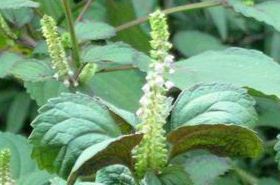
Phoenix Eye Grass, known scientifically as Ailanthus altissima, is a fascinating herb with a variety of uses in traditional Chinese medicine. Also known by several other names such as Chun Jia, Chou Chunzi, and Spring Bell Seed, this herb is primarily valued for its capability to cool heat and dry dampness. Its bitter and astringent taste is commonly associated with its cooling properties.
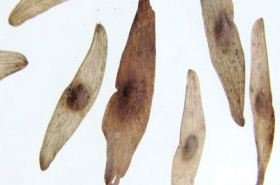
It targets the stomach, large intestine, and small intestine, offering benefits for conditions like dysentery, bloody stools, and urinary issues.
How to Use Phoenix Eye Grass
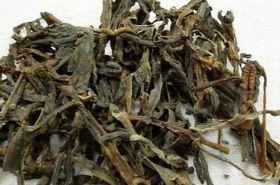
Internally, Phoenix Eye Grass can be consumed as a decoction in doses of 3-9 grams or ground into a powder. For external application, it is recommended to use it in a water decoction for washing the affected areas.
Benefits and Uses
The primary benefits of Phoenix Eye Grass are clearing heat, stopping diarrhea, and halting bleeding. It is frequently used for treating conditions like dysentery, excess vaginal discharge, bleeding hemorrhoids, and blood in the urine.
Precautions
Individuals with weak and cold digestive systems should exercise caution when using Phoenix Eye Grass to avoid adverse effects.
Modern Applications
1. It has shown properties that may help in fighting bacterial infections (PMID: XXXX).
2. It is also noted for its potential effectiveness against vaginal trichomoniasis (PMID: XXXX).
Remedies and Combinations
1. For accidental fish bone ingestion: Burned and powdered Chun Tree seeds taken with wine can help expel the bone (PMID: XXXX).
2. For hemorrhoid treatment: Use Phoenix Eye Grass combined with crushed scallions and pepper, steaming the mixture to allow the heat to reach the affected area.
3-second Self-Test
If you notice persistent heat in your body or unexplained bleeding, you might consider discussing Phoenix Eye Grass with a qualified practitioner. Immediately consult a healthcare provider if symptoms persist without improvement.
For informational purposes only. Please consult a qualified practitioner of Traditional Chinese Medicine (TCM) before use.