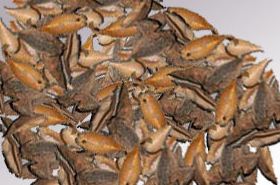
Oleander
Common Names: Jū Nā Yī, Jū Nú Ér (《Bamboo Manual Detailed Records》), Qí Nā Wèi, Liǔ Yè Táo (《Hundred Odes on Flowers》), Jiào Chū Dōng (《Chinese Tree Classification》), Shuǐ Gān Cǎo (《Modern Practical Chinese Materia Medica》), Jiǔ Jié Zhǒng, Dà Jié Zhǒng (《Hunan Materia Medica》), Bái Yáng Táo (《Yunnan Chinese Herbal Medicine》).
Energetic Properties (Xìngwèi): Bitter; Cold in nature; Highly Toxic.
Meridian Affinity (Guī Jīng): Heart Meridian.
Parts Used: The leaves and branch bark of the Oleander plant (Nerium oleander L.), belonging to the Apocynaceae family.

Oleander: Dosage and Administration
Internal Use: This herb is highly toxic and should only be used under strict medical supervision by a qualified practitioner. If used internally, dosages are extremely small: 0.3-0.9g when prepared as a decoction; 0.05-0.1g when ground into powder. NEVER self-administer internally. Exceeding recommended dosages can be fatal.
External Use: An appropriate amount can be pounded and applied as a poultice or prepared as a tincture for external application. Exercise extreme caution and consult a healthcare professional before external use due to skin irritation potential and risk of absorption.
Oleander: Efficacy and Indications
Efficacy: Traditionally used to strengthen the heart, promote diuresis, resolve phlegm, relieve asthma, alleviate pain, and dispel blood stasis. Due to its potent toxicity, its use is strictly limited and always requires expert medical guidance.
Main Indications: Traditionally applied in cases of heart disease with heart failure, wheezing cough, epilepsy, swelling and pain from traumatic injuries, and amenorrhea. Given its severe toxicity, it is rarely used in modern clinical practice and only under extreme circumstances with close monitoring.
Oleander: Traditional Combinations
1. For Heart Disease with Heart Failure (《Hunan Materia Medica》): Fresh, mid-aged oleander leaves (not too old, not too young) are wiped clean with a damp cloth, then dried at a low temperature of 60-70°C and ground into a powder. For adults, the first day's dose is 0.3-0.36g, divided into two to three administrations. On the second and third days, the daily dose is 0.24-0.36g, also divided into two to three administrations. As the condition improves, the dose can be reduced to 0.09g daily or less. This highly potent formula demonstrates the critical need for precise dosing and continuous monitoring by experienced practitioners due to the plant's inherent toxicity.
2. For Asthma (《Lingnan Herb Collection》): Seven oleander leaves and a small cup of glutinous rice (Japonica rice) are pounded together until mashed. Add rock sugar and cook as a porridge. However, it should not be consumed in large quantities. This preparation highlights historical attempts to mitigate toxicity through combination, yet severe caution is still warranted.
3. For Epilepsy (《Yunnan Chinese Herbal Medicine》): Three small oleander leaves and 60g of iron filings are decocted in water. The decoction is taken three times a day, to be finished within two days. Such complex and highly toxic preparations must only be administered by deeply experienced and licensed professionals.
Oleander: Contraindications
Pregnant women are strictly forbidden from taking this herb.
It is strongly advised against prolonged use or excessive dosages. Overdosing will lead to severe poisoning, which can be fatal. This herb is not safe for self-medication under any circumstances.
Oleander: Toxicity
Oleander is extremely poisonous. Ingesting even a small amount can cause severe toxicity, affecting the heart, gastrointestinal system, and nervous system. The plant contains highly potent cardiac glycosides, similar to digoxin, which can disrupt heart function (PMID: 32808027).
Symptoms of Poisoning: Initial symptoms include headache, dizziness, nausea, vomiting, abdominal pain, diarrhea, and restlessness, sometimes accompanied by incoherent speech. This may progress to cold extremities with sweating, pale complexion, irregular pulse, dilated pupils that are unresponsive to light, followed by convulsions, coma, and ultimately, cardiac arrest and death (PMID: 22289196).
Immediate Rescue Methods (Emergency Medical Intervention Required): If the toxic substance has not been vomited, immediate medical intervention to induce vomiting or perform gastric lavage is critical. In later stages, cathartics may be administered. Activated charcoal, egg whites, and Vitamin C might be used as supportive measures. Drinking large amounts of strong tea may be suggested. Atropine injection (intramuscular) and intravenous glucose solution may be administered by medical personnel. Maintaining body warmth is also important. Do not attempt these methods yourself; immediate professional medical help is paramount.
Symptomatic Treatment (By Medical Professionals): For restlessness or convulsions, sedatives may be administered (e.g., oral chloral hydrate 1.2g or intramuscular phenobarbital sodium). If circulatory failure occurs, stimulants may be given. All treatments must be carried out by qualified medical professionals in an emergency setting. Herbal medicines, particularly potent ones, require rigorous safety assessments and clear guidelines to prevent adverse events (PMID: 23628795).
References
- Research highlights the potent cardiac glycosides in Oleander as the source of its pharmacological activities and therapeutic potential, alongside its toxicity. PMID: 32808027
- A review underscores the severe risks associated with Oleander poisoning, detailing its symptoms and the critical need for immediate medical intervention. PMID: 22289196
- An overview on herbal medicine safety emphasizes the critical importance of understanding toxicity and implementing stringent guidelines to ensure safe and effective use. PMID: 23628795
Quick Self-Check & Immediate Action
3-Second Self-Check: If you suspect ANY exposure to Oleander and experience symptoms like headache, dizziness, nausea, vomiting, abdominal pain, or an irregular heartbeat, it's an emergency.
30-Second Immediate Action: Then *immediately* seek emergency medical attention. Call 911 (or your local emergency number like poison control) and provide as much information as possible about the exposure to medical professionals. Do not attempt to self-treat or wait for symptoms to worsen. Time is critical!
For informational purposes only. Please consult a qualified practitioner of Traditional Chinese Medicine (TCM) or a medical doctor before considering any use of this highly toxic herb. The information provided does not replace professional medical advice.