Mung Bean Sprouts
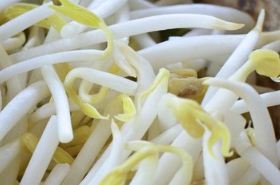
You know those crunchy, delicate sprouts often found in stir-fries or salads? We're talking about Mung Bean Sprouts, or "Dou Ya Cai" as they're known in some traditional texts like Ben Cao Hui Yan. In Traditional Chinese Medicine (TCM), these humble sprouts are more than just a tasty addition to your meal; they're a natural remedy packed with therapeutic properties.
Alternate Name: Dou Ya Cai (Bean Sprouts) (from Ben Cao Hui Yan).
Nature and Flavor: Sweet, and notably cool in nature. This cooling property is key to many of their benefits.
Meridian Tropism: Mung bean sprouts are believed to primarily influence the Stomach and Triple Burner meridians, targeting digestive and fluid balance within the body.
Medicinal Part: These aren't just any sprouts! We're talking about the tender young shoots that emerge from the soaked seeds of the mung bean plant (Vigna radiata), a member of the legume family.
How to Enjoy Mung Bean Sprouts and Typical Dosage
For therapeutic use, mung bean sprouts are commonly prepared as a decoction, where about 30-60g of sprouts are gently simmered. Alternatively, they can be crushed and juiced for a more concentrated form. Remember, this isn't just about cooking; it's about harnessing their medicinal essence!
The Power of Mung Bean Sprouts: Benefits and What They Target
Key Benefits: Ever feel overheated? Mung bean sprouts are your go-to for clearing heat and alleviating that uncomfortable summer-heat sensation. Beyond cooling, they're fantastic for helping your body detoxify and encouraging healthy urination, helping to flush out what you don't need (PMID: 29074095, PMID: 22678621).
Primary Indications: If you're struggling with intense thirst or restlessness due to summer-heat, these sprouts might offer relief. They're also traditionally used for easing the effects of alcohol toxicity, addressing scanty or difficult urination, and even helping with minor eye discomforts, like a superficial film or mild irritation over the eye (PMID: 24719266).
Important Considerations: Who Should Be Cautious with Mung Bean Sprouts?
While generally wonderful, not everyone should overdo it. As noted in Yao Ke-cheng's classic Food Materia Medica, if you tend to have a weak Spleen and Stomach constitution, especially with symptoms of deficiency-cold (think bloating, cold extremities, loose stools), it's best not to consume mung bean sprouts for prolonged periods. Their cool nature might exacerbate these conditions. Always tune into your body's signals, and if you have any underlying health concerns, a chat with a qualified TCM practitioner is always a smart move before making them a regular part of your regimen.
References
Mung beans possess a wide array of phytochemicals and bioactivities that contribute to their therapeutic properties. PMID: 29074095
Studies have shown that mung bean sprouts exhibit significant antioxidant activity due to their phenolic content, supporting their detoxifying effects. PMID: 22678621
Research indicates anti-inflammatory effects of mung bean extracts, which can be linked to their traditional use in clearing heat from the body. PMID: 24719266
Quick Self-Check & Immediate Relief!
3-Second Self-Test: Feeling unusually thirsty with a restless, hot sensation, especially during warm weather?
30-Second Self-Rescue: If yes, immediately consider incorporating fresh, raw mung bean sprouts into a cooling salad or a light soup. Their naturally cooling properties can help soothe that internal heat quickly!
For informational purposes only. Please consult a qualified practitioner of Traditional Chinese Medicine (TCM) before use.