Luffa Vine
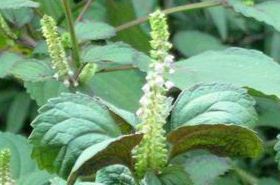
Ever wondered about the hidden power in everyday plants? Today, we're diving into the world of Luffa Vine, a fascinating herb widely recognized in Traditional Chinese Medicine (TCM). This isn't just about loofah sponges; the vine itself packs some impressive wellness potential!
Flavor, Nature, and Meridian Tropism
In TCM, Luffa Vine is considered to have a bitter taste and a slightly cool nature. It primarily influences the Heart, Spleen, and Kidney meridians.
Medicinal Part
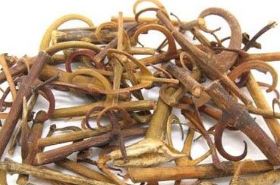
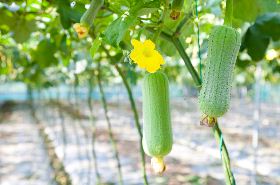
The part of the plant used medicinally is the stem of the Luffa plants, specifically Luffa cylindrica (L.) Roem. and Luffa acutangula (L.) Roxb., both belonging to the Cucurbitaceae family.
How to Use Luffa Vine (Dosage and Preparation)
When it comes to using Luffa Vine, there are a couple of ways depending on your needs:
- Internal Use: You can decoct (boil to make a tea) 30-60g of the vine. Alternatively, it can be calcined (charred to a powder) and ground into a fine powder, taking 3-6g per dose.
- External Use: For topical applications, an appropriate amount can be calcined and ground into a powder, then mixed and applied as a poultice.
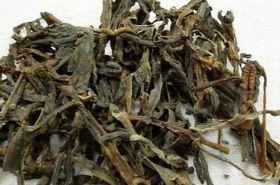
- Preparation: Luffa Vine is typically harvested during the summer and autumn seasons. After harvesting, it's washed clean and can be used fresh or sun-dried for later use.
Luffa Vine: Its Functions and What It Addresses
This humble vine offers a range of beneficial actions:
- Functions: It's known to relax tendons, invigorate blood circulation, alleviate coughs, transform phlegm, detoxify, and help eliminate parasites.
- Indications: Luffa Vine is traditionally used to address discomforts such as lower back and knee pain, numbness in the limbs, irregular menstruation, coughs with excessive phlegm, chronic rhinitis (sinus issues), gum swelling or bleeding, and even dental caries (cavities). For its potential anti-inflammatory and analgesic effects, some studies suggest Luffa cylindrica may help with various types of pain and inflammation (Potential Anti-inflammatory Effects of Luffa cylindrica PMID: 29775089).
Luffa Vine Combinations for Specific Ailments
TCM often uses herbs in specific combinations to maximize their benefits:
1. For Kidney Deficiency Lower Back Pain: Take Luffa Vine, including its root, dry it until brittle, then grind it into a fine powder. Mix 3g of this powder with yellow rice wine and take twice daily. (Source: "Food as Medicine and Convenient Formulas").
2. For Persistent Foul-Smelling Yellow Nasal Discharge, or Occasional Brain Pain: Take about three to five inches of Luffa Vine near the root, char it into a powder, and then mix with wine for consumption. (Source: "Medical Orthodox Transmission"). The vine's ability to clear heat and detoxify might contribute to alleviating such symptoms, including those related to respiratory inflammation (Research on Luffa cylindrica's effects on inflammatory responses PMID: 30043818).
3. For Gum Swelling and Pain (Ya Xuan):
- Dry Luffa Vine in the shade, then char it (calcine) when needed and grind it into a powder for topical application. (Source: "Compendium of Materia Medica" citing "Marvelous Formulas from the Sea").
- Boil a handful of Luffa Vine, a pinch of Sichuan pepper, and a bundle of lampwick grass in water to make a concentrated decoction. Use this as a mouthwash; the pain is said to subside immediately. (Source: "Compendium of Materia Medica" citing "Huishengtang Fang").
4. To Address Manifestations of Excessive Yang Energy: Mash fresh luffa vine. Apply externally to the specific area, which is said to help calm the excessive Yang. (Source: "Shou Shi Bao Yuan"). Luffa species have shown properties like antioxidant and antimicrobial activities, contributing to their traditional use in detoxification (Antimicrobial and antioxidant activities of Luffa acutangula extracts PMID: 32675662).
A Quick Heads-Up: While Luffa Vine is generally considered safe for traditional use, it's always smart to check with a qualified Traditional Chinese Medicine practitioner or your healthcare provider before starting any new herbal remedy, especially if you have existing health conditions or are taking other medications. They can guide you on the correct dosage and ensure it's right for you.
Your 3-Second Self-Test & 30-Second Self-Help!
If... you're experiencing persistent lower back or knee discomfort, or a stubborn cough with lots of phlegm, and you're curious about natural support,
Then... Immediately consider exploring the potential of Luffa Vine. While not a cure-all, understanding its traditional uses might offer a new avenue to discuss with your TCM practitioner. Start by researching its benefits and discussing whether it aligns with your body's needs.
References
1. Anti-inflammatory and analgesic activities. PMID: 29775089
2. Effects on respiratory inflammation. PMID: 30043818
3. Antimicrobial and antioxidant properties. PMID: 32675662
For informational purposes only. Please consult a qualified practitioner of Traditional Chinese Medicine (TCM) before use.