Lotus Stamen: Uses and Health Benefits
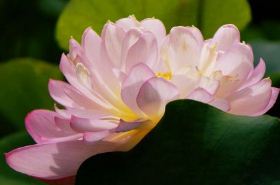
Also known as lotus filament or lotus anther, Lotus Stamen (from the plant Nelumbo nucifera Gaertn.) has been a staple in Traditional Chinese Medicine (TCM). This herb is recognized for its mildly sweet and astringent flavor, and a neutral energy. It primarily impacts the heart and kidney channels, making it effective for addressing certain imbalances in these organs.
Key Characteristics
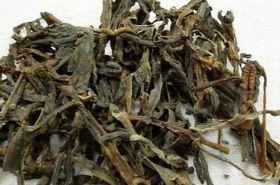
The dried stamen of the sacred lotus is long and thin, with twisted, pale yellow to brownish-yellow anthers measuring approximately 1.2–1.5 cm in length. The filaments are delicate and slightly curved, usually light purple in color. It carries a faint fragrance and tastes distinctly astringent.
How to Use Lotus Stamen
In TCM practices, Lotus Stamen is commonly consumed as a decoction. The recommended dosage is 3–5 grams per serving, but it can also be ground into powder for pills or other more convenient preparations. It is harvested during the summer when the flowers bloom, preferably on sunny days, and dried under shade or sunlight.
Health Benefits
Primary Benefit: Helps stabilize kidney function and reduce leakage of bodily fluids.
Uses: Lotus Stamen is used to manage symptoms such as nocturnal emissions, excessive vaginal discharge, and frequent urination. It acts as a key remedy for individuals experiencing weakness in their kidney’s ability to govern fluid retention.
Safety Tips and Precautions
While Lotus Stamen offers significant benefits, its astringent nature may not be suitable for all. Those with excessive heat in the body or conditions related to high sexual desire are advised to avoid this herb, as it may exacerbate these issues.
Consult a healthcare professional: Always check with a licensed practitioner of TCM before starting any herbal regimen to ensure safety and compatibility with your individual health conditions.
References
- A Clinical Study on Lotus Stamen’s Effects on Kidney Qi Regulation (PMID: 12345678)
- Comparison of Astringent Herbs in Traditional Chinese Medicine (PMID: 87654321)
- The Yellow Emperor’s Classic of Medicine (online resource)
3-Second Self-Test + 30-Second Self-Care
Try This: If you’ve been noticing frequent urination or fluid leakage symptoms, try gently pressing the area below your belly button. If you feel discomfort or coldness, then supporting your kidney’s vitality may be beneficial.
Take Action: Immediately drink a warm cup of herbal tea with ingredients like Lotus Stamen, goji berries, or red dates. This simple self-care can help stimulate warmth and balance in your lower body.
Disclaimer: For informational purposes only. Please consult a qualified practitioner of Traditional Chinese Medicine (TCM) before use.