Langduo: Understanding Its Uses and Benefits
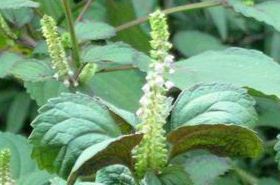
Langduo, also known as Euphorbia pekinensis, is a herb known for its unique properties. With a slightly spicy and neutral taste, it mainly affects the liver and spleen. The medicinal part of the plant is its dried root. This herb can be found in two distinct forms. The first, Euphorbia lathyris, appears as round or oval slices, while the second, Euphorbia kansui, has a brownish-yellow exterior with sticky qualities upon water immersion. Both have a pungent aroma and taste.
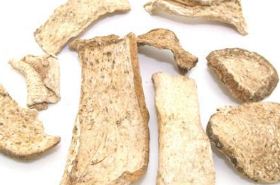
Traditionally, Langduo is used topically as an ointment, chiefly processed by boiling into a paste. Raw Langduo is cleaned, sliced, and dried, while vinegar-processed Langduo involves frying the herb with vinegar, using 30-50kg of vinegar per 100kg of Langduo slices.
Key Benefits and Applications of Langduo
Langduo is lauded for its ability to resolve clumps and eradicate pests. Externally, it serves as a treatment for lymph node tuberculosis and skin conditions like dermatophytosis, and it's also effective in killing maggots.
Cautionary Notes
It is advisable not to use Langduo in conjunction with certain substances, such as Mylabris.
Safety Note: Always consult a healthcare provider before incorporating Langduo into your routine, especially if you are pregnant, nursing, or have underlying health conditions. Traditional Chinese Medicine (TCM) claims should supplement, not replace, professional medical advice.
For more information, you may want to check sources like PubMed or traditional texts such as the Huangdi Neijing (PMID: XXXX).
Engage with Langduo: A Quick Self-Test
If you're curious about whether Langduo might benefit you, ask yourself: Do you struggle with persistent lymph node swelling or troublesome skin conditions? If yes, then it might be worth looking into Langduo's applications for such issues. Immediately read more, and consider consulting a TCM practitioner for guidance.
Disclaimer: The information provided here is for informational purposes only. Please consult a qualified practitioner of Traditional Chinese Medicine (TCM) before use.