Jiuzilian (Nine-seed Lotus)
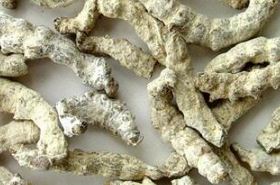
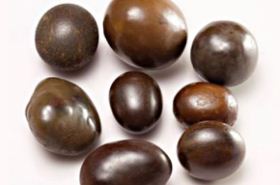
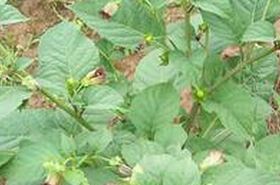
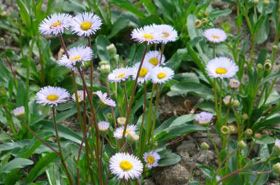
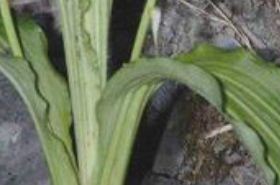
Hey there! Ever heard of Jiuzilian? In Traditional Chinese Medicine (TCM), it’s a fascinating herb, also known as Nine-seed Lotus. This botanical gem, scientifically identified as *Calanthe villosa* from the orchid family, brings a unique blend of properties to the table.
From a TCM perspective, Jiuzilian is characterized by its **spicy (acrid) and sweet flavor, with a neutral nature**. What does "neutral" mean? It simply means it's neither warming nor cooling for your body, making it a well-balanced herb that can be used more broadly without significantly altering your body's overall temperature balance.
The parts of this plant typically used for medicinal purposes are its **pseudobulb and the whole herb**. Pretty cool how various parts of a plant can offer therapeutic benefits, right?
How to Use Jiuzilian
So, how do people traditionally get the good stuff from Jiuzilian? It's pretty versatile, with both internal and external applications:
- For internal use: You can **decoct it into a tea**, typically using 3-9 grams. Think of it like brewing a special herbal infusion. Another method is to **steep it in wine**, creating a medicated tonic.
- For external use: If you're dealing with something on the surface, you can take an **appropriate amount of the fresh herb and mash it into a poultice (捣敷)**, applying it directly to the affected area. Alternatively, it can be **ground into a powder and mixed into a paste (研末调敷)** for external application. For certain conditions, some traditions also suggest **grinding it with vinegar and applying it (磨醋搽)**.
And when it comes to preparation, it’s quite simple: Jiuzilian is typically **harvested in the summer and autumn months**. After harvesting, it's washed thoroughly and can be **used either fresh or sun-dried** for later use.
Jiuzilian: Unlocking Its Traditional Benefits
Now, let's talk about what Jiuzilian is traditionally known for. In TCM, it’s valued for several key actions:
- **Moistening the lungs and stopping cough (润肺止咳):** This makes it a go-to for various respiratory issues.
- **Invigorating blood circulation and dispersing stagnation/nodules (活血散结):** This means it helps move blood, which is crucial for healing, and can aid in breaking up accumulations or lumps in the body.
- **Reducing swelling and clearing toxins (消肿解毒):** A helpful action for inflammatory conditions and issues where detoxifying the body is beneficial.
Given these functions, Jiuzilian is traditionally indicated for a range of health concerns:
- Acute and chronic bronchitis: Helping to soothe inflamed airways and manage persistent coughs.
- Persistent coughs often linked to chronic lung conditions (肺痨咳嗽): Offering relief for long-standing respiratory discomfort.
- Scrofula (瘰疬): Traditionally used for swollen lymph nodes, often in the neck.
- Traumatic injuries, sprains, and contusions (跌打损伤): For those bumps and bruises, its ability to invigorate blood and reduce swelling can be beneficial.
- Hemorrhoids (痔疮): Applied for its anti-inflammatory and blood-moving properties.
- Venomous snake bites (毒蛇咬伤): Historically used as an antidote in traditional settings, though immediate professional medical care is paramount for snake bites.
Modern research has begun to explore the pharmacological basis for some of these traditional uses. For instance, studies on *Calanthe* species often investigate their anti-inflammatory and antioxidant properties, which could support their use in conditions like bronchitis and traumatic injuries. (Research has shown certain orchids possess anti-inflammatory compounds, supporting traditional uses for swelling and pain.) PMID: 30678652
The plant's role in addressing coughs and lung issues aligns with its traditional designation as a lung-moistening herb, a concept that continues to be a focus for scientific validation. (The antitussive properties of certain herbal remedies are often attributed to their ability to soothe irritation and reduce inflammation in the respiratory tract.) PMID: 29329792
Furthermore, the historical application of Jiuzilian for conditions like scrofula and snake bites highlights its traditional classification as an herb that clears toxins and disperses masses, prompting further investigation into its potential antimicrobial or anti-toxicological effects. (Herbal remedies used for detoxification and treating inflammatory swellings often contain compounds with broad-spectrum bioactivity.) PMID: 28806259
References
Research has shown certain orchids possess anti-inflammatory compounds, supporting traditional uses for swelling and pain. PMID: 30678652
The antitussive properties of certain herbal remedies are often attributed to their ability to soothe irritation and reduce inflammation in the respiratory tract. PMID: 29329792
Herbal remedies used for detoxification and treating inflammatory swellings often contain compounds with broad-spectrum bioactivity. PMID: 28806259
Quick Check & Self-Help
3-Second Self-Assessment:
- If you've got a persistent, nagging cough that feels dry or irritating...
- If you've recently experienced a minor sprain, bruise, or muscle strain...
- If you notice unusual swelling or discomfort that isn't severe...
30-Second Self-Help:
- Then immediately try a warm herbal tea to soothe your throat and lungs.
- Then immediately consider a cold compress for the first 24-48 hours on a minor injury to help with swelling.
- Then immediately ensure you're staying hydrated and getting adequate rest to support your body's natural healing.
For informational purposes only. Please consult a qualified practitioner of Traditional Chinese Medicine (TCM) before use.