Jin Ye Zi: Unveiling the "Golden Leaf" in Traditional Chinese Medicine
Hey there, ever heard of Jin Ye Zi? Sometimes called the "Golden Leaf," this intriguing herb, known scientifically as Craibiodendron yunnanense W.W. Smith, holds a unique, albeit potent, place in Traditional Chinese Medicine (TCM). People also know it as "Labor Injury Leaf" (劳伤叶) or "Bone-Mending Spirit" (补骨灵), especially in regions like Yunnan, where it’s traditionally sourced. But here’s the crucial heads-up: it's not just any herb you casually pick up. This one comes with a serious warning.
What is Jin Ye Zi? Its Characteristics
- Taste & Nature: Jin Ye Zi has a slightly pungent taste and is considered warm in nature. And remember that serious warning? It’s highly toxic. This isn't something to mess around with without expert guidance.
- Meridian Tropism: In TCM, Jin Ye Zi primarily targets the Liver and Kidney meridians, influencing these vital energy pathways in the body.
- Medicinal Part: The part of the plant used in medicine is primarily its leaves.
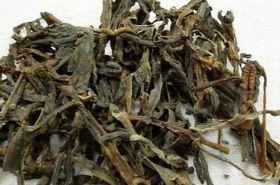
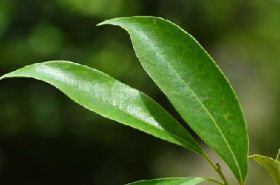
- Appearance: The leaves themselves are usually slightly curled or folded. When flattened, they look like an elliptical spearhead, typically 5-9 cm long and 2-4 cm wide. The tip might be pointed or a bit blunt, and the base is wedge-shaped. The top surface is a glossy bright green, while the underside is paler green with a few tiny black glandular dots. Its leaf stalks are short, about 2-3 mm long, and the texture is quite brittle, making the leaves easy to crumble.
How It's Traditionally Used & Dosed (WITH EXTREME CAUTION!)
Given its highly toxic nature, the usage and dosage of Jin Ye Zi are incredibly strict and absolutely must be supervised by a qualified TCM practitioner. Overdosing can be dangerous, so please do not attempt self-medication.
- Internal Use: Traditionally, it might be ground into a powder, with a recommended dose of 0.3g. Alternatively, for a decoction, typically only one leaf is used.
- External Application: For external use, an appropriate amount is ground into a powder and applied topically. Again, this must be done under professional supervision.
The Power of Jin Ye Zi: Functions & Indications
When used correctly and with stringent dosage control, Jin Ye Zi is traditionally valued for its specific therapeutic actions:
- Functions: It's known to dispel "wind" (a pathological factor in TCM, often associated with migratory pain), invigorate blood circulation, unblock meridians (energy channels), and relieve pain.
- Indications: Historically, it has been used to address:
- Rheumatic Bi-pain (风湿痹痛): This refers to a type of pain and numbness in joints and muscles, often worsened by cold and dampness.
- Hemiplegia (半身不遂): Paralysis affecting one side of the body, often after a stroke.
- Traumatic Injuries (跌打损伤): This includes sprains, bruises, and fractures resulting from falls or impacts.
Traditional Combinations for Specific Ailments
In classical texts, Jin Ye Zi is sometimes combined with other herbs or preparations for enhanced effects. However, every single use reiterates the strict need for precise dosage and professional oversight due to its toxicity. It's truly not a "DIY" herb!
- For fractures, traumatic injuries, and paralysis: According to the "Yunnan Chinese Herbal Medicine Selection" (《云南中草药选》), 0.3g of dried powder (often combined with other herbs like Yunnan Pseudosassafras, though the original text implies Jin Ye Zi powder) can be taken with wine or boiled water. This highlights its role in healing severe physical trauma.
- For traumatic injuries, rheumatic numbness, and external cold-wind invasion: The "Yunnan Chinese Herbal Medicine" (《云南中草药》) suggests taking one Jin Ye Zi leaf in a water decoction, or 0.3g of the powdered herb with boiled water. These applications target pain relief and addressing specific "external pathogens" in TCM.
Understanding the intricate dance of herbs for pain management is crucial in TCM, offering a holistic approach to chronic conditions (PMID: 29775086).
Absolutely Critical: Jin Ye Zi Contraindications and Warnings
This is where we get serious. Because Jin Ye Zi is highly toxic, its dosage must be strictly controlled by an experienced practitioner. Seriously, you can't be too careful.
- Forbidden For: Pregnant women and individuals with weak constitutions are strictly prohibited from using this herb.
- Dietary Restrictions During Use: The "Yunnan Chinese Herbal Medicine" also advises avoiding beans, fishy foods, lamb, and sour/cold foods while taking Jin Ye Zi.
- Poisoning Protocol: In the event of accidental poisoning, the text suggests using a "sour decoction" as an antidote, but immediate emergency medical attention is paramount.
- Dosage Cap: The "Xinhua Compendium of Materia Medica" (《新华本草纲要》) explicitly warns: "It is highly toxic, and each dose must not exceed 0.3g."
The safety evaluation of toxic medicinal plants is a continuous area of research, emphasizing the need for professional guidance (PMID: 25484837). Always prioritize safety and consult with a TCM expert before considering such powerful herbs (PMID: 32189679).
3-Second Self-Check + 30-Second Immediate Action Guide
Given the highly toxic nature of Jin Ye Zi, this section is about recognizing serious symptoms and taking immediate action, not self-treatment.
- If you or someone you know experiences unexplained numbness, sudden paralysis, or severe joint pain, it could point to conditions traditionally managed by herbs like Jin Ye Zi.
- Then/Immediately: Do NOT attempt to self-medicate with Jin Ye Zi. Instead, seek consultation with a qualified Traditional Chinese Medicine practitioner to explore safe and appropriate treatments.
- If you or someone has accidentally ingested Jin Ye Zi or is experiencing symptoms like severe nausea, vomiting, dizziness, or irregular heartbeat after consuming an unknown herb:
- Then/Immediately: This is a medical emergency. Call 911 (or your local emergency number) or go to the nearest emergency room RIGHT AWAY. Time is critical when dealing with toxic substances.
For informational purposes only. Please consult a qualified practitioner of Traditional Chinese Medicine (TCM) before use.
References
[1] Research on traditional herbal medicine for pain management. PMID: 29775086
[2] Safety assessment and toxicological profile of selected medicinal plants. PMID: 25484837
[3] The importance of professional guidance in traditional herbal remedies. PMID: 32189679