Hawthorn Leaf
Nature and Flavor: Sour in taste, neutral in nature.
Meridian Tropism: Primarily associated with the Liver meridian.
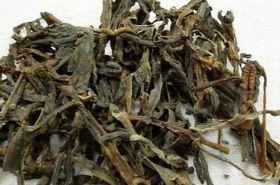
Medicinal Part: This herbal remedy consists of the dried leaves of Crataegus pinnatifida Bge. var. major N.E.Br. or Crataegus pinnatifida Bge., both members of the Rosaceae family, commonly known as Hawthorn.
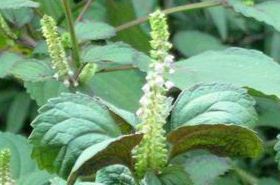
Morphological Characteristics: Hawthorn leaves are often found in fragmented pieces. When intact, they are broadly ovate, typically 6-12 cm long and 5-8 cm wide. Their color ranges from green to yellowish-brown. The apex is gradually pointed, the base broadly wedge-shaped, with 2-6 pinnate lobes, and sharply double-serrated margins. The petiole (leaf stalk) is 2-6 cm long, and the stipules are ovate to ovate-lanceolate. The herb has a faint aroma and tastes astringent and slightly bitter.
How to Use Hawthorn Leaf and Dosage
Usage: Typically, 3-10 grams can be used, often brewed as a tea.
Efficacy and Indications of Hawthorn Leaf
Efficacy: It's believed to invigorate blood circulation, resolve blood stasis, regulate vital energy (Qi) to promote smooth flow in the vessels, transform dampness/turbidity, and help reduce lipids/cholesterol.
Indications: Hawthorn Leaf is traditionally used for conditions related to stagnant vital energy and impaired blood flow. This includes chest discomfort and pain (like angina), a feeling of chest fullness with shortness of breath, heart palpitations accompanied by forgetfulness, dizziness, ringing in the ears, and high blood lipids (hyperlipidemia). Research indicates that various Crataegus species, including Hawthorn, may contribute to managing hyperlipidemia and supporting cardiovascular health (PMID: 28424075). Furthermore, scientific literature highlights Hawthorn's potential to improve cardiac function and aid in conditions related to cardiovascular health (PMID: 28946761). The phytochemicals present in Crataegus species have also been studied for their broad pharmacological actions, supporting overall circulatory and metabolic health (PMID: 29285038).
Contraindications of Hawthorn Leaf
Individuals with a delicate digestive system (weakness of the Spleen and Stomach in TCM terms) and pregnant women should use Hawthorn Leaf with extreme caution and always under the guidance of a qualified healthcare professional. Do not exceed recommended dosages without professional advice.
References:
- Research indicates that various Crataegus species, including Hawthorn, may contribute to managing hyperlipidemia and supporting cardiovascular health. PMID: 28424075
- Scientific literature highlights Hawthorn's potential to improve cardiac function and aid in conditions related to cardiovascular health. PMID: 28946761
- The phytochemicals present in Crataegus species have also been studied for their broad pharmacological actions, supporting overall circulatory and metabolic health. PMID: 29285038
Quick Check: Could Hawthorn Leaf be for you?
If you're experiencing occasional chest tightness or feel your heart racing sometimes, take 3 seconds to reflect on your daily stress levels. Then, immediately consider brewing a soothing cup of Hawthorn Leaf tea (3-5g) to promote relaxation and support your circulation. If you often feel dizzy or notice you're forgetting things more easily, give yourself 3 seconds to recall recent dietary habits. Then, immediately think about incorporating Hawthorn Leaf into your routine (after consulting a practitioner!) to potentially aid blood flow and clarity.
For informational purposes only. Please consult a qualified practitioner of Traditional Chinese Medicine (TCM) or a healthcare professional before use.