Gou Teng (Uncaria Rhynchophylla)
Hey there! Today, we're diving into a fascinating herb from Traditional Chinese Medicine (TCM) called Gou Teng. You might also hear it referred to by a few other names like Double Hook Vine, Eagle's Claw Wind, Hanging Wind Root, Golden Hook Grass, or Inverted Thorn.
In TCM, Gou Teng has a sweet flavor and a cool nature. It mainly works on the Liver and Pericardium meridians, which are key pathways for vital energy in the body.
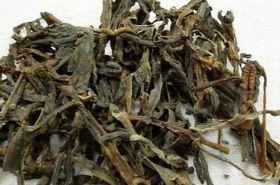
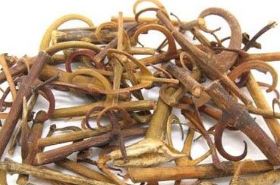
The part of the plant we use for medicine is its dried stem with those distinctive hooks. You'll recognize it by its cylindrical or somewhat square stems, usually about 2-3 cm long and 0.2-0.5 cm in diameter. Some pieces might be reddish-brown to purplish-red with fine lines and a smooth surface, while others are yellowish-green to grayish-brown, sometimes showing small white pores and covered in yellowish-brown soft hairs. Most segments have two downward-curving hooks growing opposite each other (these are sterile flower stalks), or sometimes just one hook with a raised scar on the other side. The hooks are a bit flat or slightly rounded, tapering to a sharp point at the end and wider at the base. Near the base of the hooks, you might see small indentations where leaf stalks once were, and circular stipule scars. The herb is tough and firm, with a yellowish-brown cross-section, fibrous bark, and a yellowish-white or hollow pith. It has a slight aroma and a mild taste.
How to Use Gou Teng and Recommended Dosage
For internal use, it's typically prepared as a decoction. A general dosage ranges from 6 to 12 grams. It's also sometimes included in powdered formulas. A crucial tip from TCM experts: Gou Teng should not be decocted for too long, as prolonged cooking can reduce its effectiveness, especially its active compounds. Just add it to your brew towards the end of the cooking process for about 10-15 minutes.
Before use, make sure to clean the herb by removing any old stems or impurities, washing it thoroughly, and then drying it in the sun.
The Amazing Actions and Indications of Gou Teng
Gou Teng is prized for its ability to calm endogenous wind, stop convulsions, clear heat, and pacify the liver. So, it's often your go-to herb for conditions like:
- Internal liver wind causing spasms and convulsions
- High fever accompanied by seizures
- Childhood febrile convulsions and night crying
- Eclampsia during pregnancy
- Headaches and dizziness, especially when related to liver imbalances.
Important Contraindications for Gou Teng
Even good herbs have their limits! Here's what the classics tell us:
- According to Ben Cao Xin Bian (New Edition of Materia Medica): "It's highly capable of dissipating vital energy (Qi). Those with deficiency should not take it."
- From Ben Cao Cong Xin (New Compendium of Materia Medica): "Do not use for those without internal fire."
These warnings suggest that Gou Teng is best for conditions involving excess heat or internal wind, and less suitable for individuals who are generally weak or lack internal warmth.
A Look at Gou Teng's Toxicity Profile
Safety first! Studies on Gou Teng's toxicity provide some insights:
- The acute single intraperitoneal injection LD50 (the dose lethal to 50% of subjects) in mice for Gou Teng decoction was 29.0 ± 0.8 grams/kg.
- For total alkaloids from Gou Teng, the intraperitoneal LD50 was 144.2 ± 3.1 mg/kg.
- Rhynchophylline (a key alkaloid in Gou Teng) had an intraperitoneal LD50 of 162.3 mg/kg.
- When administered orally, the total alkaloids had an LD50 of 514.6 ± 29.1 mg/kg.
In terms of subacute toxicity, rabbits given Gou Teng decoction twice daily at 5 grams/kg (2.5 times the therapeutic dose) for 10 consecutive days showed no signs of poisoning. Rats given total Gou Teng alkaloids at 50 mg/kg for 14 days also showed no pathological changes in their internal organs. Even when the dose was doubled, only mild inflammatory changes in the liver were observed, which returned to normal after discontinuing the herb. Importantly, it had no adverse effects on food intake, body weight, or general behavior.
Traditional Formulas Featuring Gou Teng
Here are some classic remedies where Gou Teng plays a star role:
- For Childhood Convulsions and Fever: Combine 37.5g Gou Teng, 18.75g Salpeter, and 3.75g prepared Licorice (roasted, chopped). Grind into a fine powder. Take 1.5-3g with warm water, 3-4 times a day, adjusting for the child's age. (From Sheng Hui Fang's Yan Ling San)
- For Childhood Epilepsy, Upward Staring, Tongue Chewing, and Drowsiness: Mix 18.75g Gou Teng, 37.5g Dragon's Teeth, 11.25g Gypsum, 3.75g Gardenia Seed, 1.875g Scutellaria, 18.75g prepared Rhubarb (chopped, slightly fried), and 11.25g prepared Ophiopogon Root (heart removed, roasted). Coarsely crush and sift into a powder. Take 3.75g with a small cup of water, decoct until reduced by half, remove dregs, and take warm, adjusting dosage for the child's age. (From Sheng Hui Fang's Gou Teng San)
- For Various Seizures and Crying: Use 18.75g each of Gou Teng and Cicada Slough, 37.5g each of cleaned Coptis, Licorice, prepared Rhubarb (slightly roasted), and Indian Bamboo Sap. Grind into a fine powder. Take 1.5-3.75g with 200ml water, adding a little fresh ginger and mint, decoct until reduced to half, remove dregs, and take warm. (From Pu Ji Fang's Gou Teng Yin Zi)
- For Children with Abdominal Pain, Crying, Hand and Foot Twitching, or Hunching like a Shrimp: Combine 1.875g each of Gou Teng, Immature Bitter Orange, and Corydalis, with 1.125g Licorice. Decoction with half a cup of water until reduced to two-fifths. (From You Ke Zhi Kao's Gou Teng Tang)
- For High Blood Pressure, Dizziness, and Nervous Headaches: Decoction of 6-18g Gou Teng. (From Guangzhou Military Region's Common Chinese Herbal Medicine Handbook)
- For Febrile Illness with Headache, High Fever, and Persistent Nosebleeds: Take 37.5g each of Gou Teng, White Mulberry Root Bark (chopped), and Mirabilite, 11.25g each of Gardenia Seed and prepared Licorice, and 56.25g each of prepared Rhubarb (chopped, fried) and Scutellaria (black heart removed). Coarsely crush and sift. Take 11.25g with one cup of water and 3-7 bamboo leaves, decoct until reduced to six-tenths, remove dregs, add 30ml fresh Rehmannia Root juice, mix well, and take warm after meals. (From Sheng Ji Zong Lu's Gou Teng Tang)
- For Generalized Numbness: Decoction of 26.25g each of Gou Teng stem and branch, Black Sesame, and Perilla. Take three times a day. (From Guizhou Herbal Medicine)
- For Hemiplegia (Half-Body Paralysis) Due to Wind: Decoction of 15g each of Gou Teng stem and branch and Schizonepeta, with 37.5g Kadsura Pepper Vine. Take three times a day. (From Guizhou Herbal Medicine)
- For Facial Nerve Paralysis: Decoction of 75g fresh Gou Teng and 150g fresh Fleeceflower Vine. (From Zhejiang Folk Common Herbal Medicine)
- For Restless Fetus and Eclampsia in Pregnant Women with Blood Deficiency and Wind-Heat: Combine 3.75g each of Gou Teng, Ginseng, Angelica Sinensis, Poria with Hostwood, and Taxillus, with 5.625g Platycodon Root. Decoction with water. (From Tai Chan Xin Fa's Gou Teng Tang)
- Li Shizhen (from Ben Cao Gang Mu - Compendium of Materia Medica): "Gou Teng is a medicine for the Liver and Pericardium meridians. The Liver meridian governs wind, and the Pericardium meridian governs fire. Convulsions, epilepsy, dizziness, and vertigo are all conditions of liver wind and ministerial fire. Gou Teng connects the Pericardium to the Liver wood; when the wind calms and the fire subsides, all symptoms naturally disappear."
- Zhang XiChun (from Ben Cao Hui Yan - Collected Explanations of Materia Medica): "Gou Teng expels wind, transforms phlegm, stops convulsions and epilepsy, calms fright, and promotes the eruption of measles and smallpox. Master Qian Zhongyang said: Gou Teng is warm, neutral, and non-toxic, highly valued in pediatrics. Its action is swift and beneficial, expelling wind-phlegm, opening qi stagnation, and calming fright and epilepsy in urgent moments. When combined with Ephedra and Cinnamon Twig, it expels deeply hidden cold; with Scutellaria and Coptis, it resolves severe heat; with Peucedanum and Pueraria, it dispels superficial evils; with Hawthorn and Magnolia Bark, it resolves long-standing food stagnation; with Arctium, Platycodon, Notopterygium, Saposhnikovia, and purple gromwell root, it helps erupt hidden measles and smallpox. It expels wind evils without causing dryness, a perfectly balanced and harmonious herb. However, prolonged decoction diminishes its power; it's best to add it to other herbs after they've decocted for ten or so minutes, and then remove the pot immediately to preserve its efficacy. Using only the tender hooks after removing the stems enhances its potency tenfold."
- Chen ShiGong (from Ben Cao Xin Bian - New Edition of Materia Medica): "Gou Teng expels wind very quickly, and those with wind syndromes should definitely use it. However, the generation of wind-fire often results from insufficient kidney yin, leading to liver dryness and fiery flaring. If Gou Teng is used sparingly with yin-nourishing herbs, wind-fire dissipates easily. But if one solely relies on Gou Teng to dispel wind and fire without nourishing yin, the wind cannot be calmed, and the fire will only intensify."
- Zhang YuanSu (from Ben Cao Zheng Yi - Correct Interpretations of Materia Medica): "Gou Teng, since the Ming Yi Bie Lu, has been specifically for treating childhood febrile conditions, and Tao Hongjing even noted its use solely for children, not included in other formulas. This is because its Qi is light and clear, its nature sweet and cool, perfectly suited for the delicate constitution of infants, whose yin is underdeveloped and yang easily flares. It treats convulsions because all epileptic conditions involve liver wind and flaring qi-fire. This herb is light, clear, and cool, capable of dispersing fire and calming wind. Zhen Quan stated it treats crying infants, spasms, heat congestion, fright, and fetal wind; Li Shizhen said it treats adult dizziness and vertigo, pacifies liver wind, and removes heart heat—all consistent uses. However, Li Shizhen also mentioned its use for erupting rashes, which stems from Qian Zhongyang's Zi Cao San formula, using Gou Teng hooks and purple gromwell root in equal parts, ground to powder and taken with warm wine. Qian Zhongyang's 'rashes' here refer to smallpox and measles, not the common rashes of modern times. Gou Teng is light, enabling eruption, and cool, capable of clearing heat. Supplemented with purple gromwell, which cools and invigorates blood, assisting its movement, and aided by wine, it both promotes eruption and clears fire—a truly balanced and reliable method."
Classical Interpretations and Modern Insights on Gou Teng
Let's see what the old masters had to say:
Amazing Health Benefits of Drinking Gou Teng Tea
Wondering what a simple Gou Teng tea can do for you? Let's break it down:
First Off: Calming Wind and Stopping Spasms
In TCM, Gou Teng is a superstar for calming endogenous wind and stopping convulsions. It's also great at clearing heat from the Pericardium and soothing an overactive Liver. This means it’s highly effective for various convulsive disorders like spasms, childhood acute seizures, night terrors, epilepsy, and even eclampsia in pregnant women. If you're dealing with these kinds of sudden movements or internal disturbances, Gou Teng might be a comforting ally.
[Studies suggest Uncaria rhynchophylla compounds may protect against neural excitotoxicity.] PMID: 28830831
Next Up: Clearing Heat and Pacifying the Liver
When used correctly, Gou Teng can effectively pacify an overactive Liver Yang and clear Liver Heat, which is fantastic for liver health. Clinically, it's often used for conditions stemming from excess Liver Heat, such as distending headaches, wind-heat headaches, high blood pressure, dizziness, and rashes that are struggling to emerge.
Third: Promoting Rash Eruption
Gou Teng has a slightly cool nature and a light, subtle quality. Its lightness helps promote eruption, while its coolness helps clear heat. This makes it excellent for helping rashes surface, especially for childhood measles, chickenpox, or rubella where the rash is slow to come out. A little Gou Teng in your tea can help speed up recovery and bring you back to health.
Fourth: Tackling Convulsions from Heat Conditions
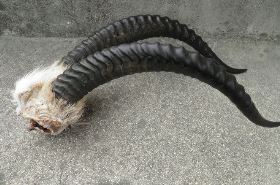
What are the benefits of Gou Teng tea? Our experts tell us it’s great for treating convulsions caused by heat, particularly high fever-induced seizures. It's often used to prevent and alleviate mild childhood febrile convulsions. However, for severe convulsive symptoms, Gou Teng's effects might be limited, and immediate medical attention is crucial. To boost its effectiveness in treating heat-induced convulsions, it's often combined with other powerful herbs like Rhinoceros Horn (or its substitutes), Gastrodia, and Antelope Horn for even better heat-clearing and antispasmodic effects.
Fifth: Helping with Dizziness and High Blood Pressure
Research has also found that Gou Teng can be quite effective in treating dizziness, especially when it’s linked to high blood pressure. In fact, one of Gou Teng tea's benefits includes helping to normalize blood pressure and alleviate various uncomfortable symptoms associated with hypertension.
[Rhynchophylline and isorhynchophylline are effective in reducing blood pressure.] PMID: 24701980
Sixth: Calming and Relieving Numbness
When Gou Teng enters the body, it can actually reduce spontaneous activity in animals, providing a certain degree of sedative effect, though it's not super long-lasting. Beyond that, Gou Teng is also noted for its ability to significantly improve numbness in the limbs, making it a good choice for alleviating such sensations.
[Gou Teng's active compounds show promise in ameliorating anxiety-like behaviors.] PMID: 28280033
Seventh: Supporting Stroke Recovery
If someone is experiencing stroke paralysis or facial distortion, Gou Teng can be used to help alleviate these symptoms. Besides stroke paralysis, this herb is also beneficial for various types of hand and foot pain, as well as limb contractures and spasms. It has shown some efficacy even for paralysis resulting from long-standing stroke conditions.
References
[Studies suggest Uncaria rhynchophylla compounds may protect against neural excitotoxicity.] PMID: 28830831
[Rhynchophylline and isorhynchophylline are effective in reducing blood pressure.] PMID: 24701980
[Gou Teng's active compounds show promise in ameliorating anxiety-like behaviors.] PMID: 28280033
Quick Self-Assessment & Self-Help Tips
3-Second Self-Assessment:
If you often experience sudden dizziness, a throbbing headache, or occasional muscle twitching, especially when stressed or tired...
Then, 30-Second Self-Help Immediately:
Immediately find a quiet spot, take three deep, slow breaths, and gently press the temples on your head with your fingertips for a soothing minute. This can help calm your system. While this is not a substitute for professional advice, it might offer a moment of relief.
For informational purposes only. Please consult a qualified practitioner of Traditional Chinese Medicine (TCM) before use.