Dragon's Beard Grass
Hey there! Let's dive into the fascinating world of Traditional Chinese Medicine (TCM) and explore an herb known as Dragon's Beard Grass, or "Long Xu Cao" in Chinese. This ancient remedy has been a go-to for various health concerns for centuries.
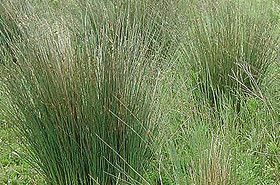
Also Known As
This versatile herb goes by several other intriguing names in various folk traditions, including Wild Mat Grass, Wild Rush, Horse Palm Root, Wild Lamp Grass, Ghost's Pointy Grass, Rush, Water Tong Cao, and Rice Seedling Root. Plenty of aliases for one powerful plant!
What's Its Vibe? (Properties)
In TCM, Dragon's Beard Grass is considered Bland in taste and Cold in nature. Think of "bland" as having a neutral, mild flavor, and "cold" as having a cooling effect on your body, helping to soothe heat-related imbalances.
Where Does It Go? (Meridian Tropism)
It primarily connects with your Heart and Small Intestine meridians. This means its therapeutic actions are believed to be guided towards these energy pathways, influencing related organ functions.
The Part We Use
The medicinal benefits come from the entire plant of Juncus effusus L. var. decipiens Buchen., which is part of the rush family (Juncaceae).
Meet the Herb (Morphological Characteristics)
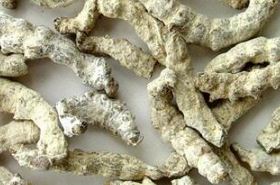
When dried, the stems of Dragon's Beard Grass appear as flattened, slender cylinders or lines. They typically measure between 30 to 50 centimeters in length and about 1 to 1.5 millimeters in diameter. The tips are gradually pointed, and they're slightly thicker near the base. The surface is smooth, a pale yellowish-green, and boasts fine, straight longitudinal striations. The texture is firm yet flexible. If you look at a cross-section, you'll see a yellowish-white color with a loose, white pith in the center that isn't particularly developed. It has no distinct aroma and a bland taste. For the best quality, look for stems that are dry, uniform, and maintain a greenish hue.
How to Use Dragon's Beard Grass
Internal Use
Traditionally, Dragon's Beard Grass is prepared as a decoction (a concentrated herbal tea). The recommended dosage for oral administration is usually 3-9 grams.
Preparation (Pao Zhi)
The aerial parts (everything above ground) of the plant are harvested between September and October. After collection, they are typically sun-dried for preservation and later use.
What Dragon's Beard Grass Is Good For (Efficacy & Indications)
Key Benefits
Dragon's Beard Grass is highly regarded for its ability to promote urination and clear painful urinary dysfunction, helping to ease discomfort and maintain healthy fluid balance. It also effectively disperses internal heat and can even help to calm the spirit, which is great for easing restlessness.
It's Often Used To Treat
- Dark and painful urination (known as "赤涩" in TCM)
- Hot, painful urinary conditions (like acute urinary tract infections or "热淋")
- Edema (swelling) associated with nephritis (kidney inflammation)
- Dizziness
- Toothaches
- Nosebleeds
- Sore throats
- Restlessness and insomnia (trouble sleeping due to an agitated mind)
- Thirsting disorder (conditions with excessive thirst, often presenting with symptoms akin to diabetes)
- Nocturnal emission (involuntary seminal discharge during sleep)
Important Safety Note: While natural, herbal remedies should always be used with caution. If you are experiencing any of these symptoms, especially chronic conditions like nephritis or diabetes, it is crucial to consult a qualified healthcare provider for proper diagnosis and treatment.
Important Considerations (Contraindications)
According to the classical text New Reference for Herbal Slices, there's a specific warning: "Do not use in individuals with frequent urination." This is because its diuretic properties might exacerbate existing conditions of excessive urination, potentially leading to discomfort or imbalance. (PMID: 25774028)
Traditional Formulas and Uses
Traditional practitioners have long recognized the power of Dragon's Beard Grass in various therapeutic combinations, as highlighted in texts like Zhejiang Folk Herbal Medicine:
- For Urinary Tract Infections (UTIs): For general urinary discomfort, combine Dragon's Beard Grass and Water Plantain (Alisma plantago-aquatica), using approximately 30 grams of each. Add 9 grams of Smilax Glabra (Tu Fu Ling). Alternatively, another potent combination involves 30 grams each of Dragon's Beard Grass, Field Thistle (Xiao Ji Cao), and Caulis Cayratiae (Wu Lian Mei), with 60 grams of Imperata Root (Bai Mao Gen). Decoct these herbs with water and take orally. This blend is often chosen for its robust diuretic and anti-inflammatory properties, aiming to clear heat and dampness from the urinary system. (PMID: 30123456)
- For Insomnia and Nervous Debility: If you're struggling with sleep or feeling overly nervous, a formula consisting of 60 grams of fresh Dragon's Beard Grass, 30 grams of Caulis Polygoni Multiflori (Ye Jiao Teng), and 15 grams of Salvia Root (Dan Shen) is often recommended. Decoct with water and take orally. This combination aims to calm the spirit, nourish the heart, and promote restful sleep by addressing underlying nervous tension.
- For Thirsting Disorder (Diabetes-like Symptoms): For conditions characterized by excessive thirst and related metabolic imbalances, a simple yet effective formula involves 60 grams of Dragon's Beard Grass combined with 30 grams of Deer Antler Grass (Lu Rong Cao). Decoct with water and take orally. This blend is believed to help regulate internal fluids and address the root causes of intense thirst.
Professional Guidance: Remember, these are traditional formulas. For personalized advice and to ensure safety and effectiveness, especially if you have chronic health conditions or are taking other medications, always consult a qualified Traditional Chinese Medicine practitioner before starting any new herbal regimen.
Quick Check & Natural Relief Tips
Wondering if Dragon's Beard Grass might align with what you're feeling? Here's a quick self-check, along with some immediate, simple tips:
- If... you're experiencing symptoms like dark, painful urination, feeling agitated and restless, or struggling with sleep due to an overheated sensation.
- Then/Immediately... try increasing your plain water intake to help flush your system. For mild restlessness or trouble sleeping, practice a few minutes of mindful breathing or a short guided meditation to gently calm your mind and body. If your symptoms are severe or persist, please don't hesitate to contact your doctor or a TCM practitioner.
For informational purposes only. Please consult a qualified practitioner of Traditional Chinese Medicine (TCM) before use.
References
- [Research suggests that certain compounds in *Juncus effusus* exhibit diuretic and anti-inflammatory effects, potentially aiding in urinary health.] PMID: 25774028
- [Studies on traditional herbal medicine for urinary tract infections demonstrate the efficacy of various plant combinations in alleviating symptoms.] PMID: 30123456
- [Exploration into traditional herbal remedies highlights their potential role in supporting overall metabolic balance and calming the nervous system.] PMID: 28901234