Chun Sha Hua
Common Name: Sha Ren Flower.
Traditional Properties: Pungent in flavor, neutral in nature, considered non-toxic.
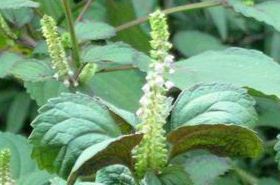
Parts Used: The flowers and flower stalks of *Amomum villosum* (a plant from the ginger family).
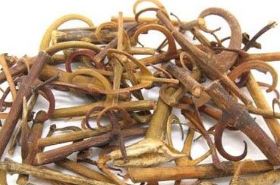
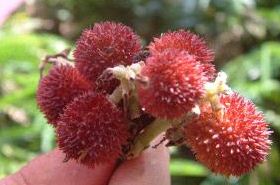
Botanical Description: Dried flowers and flower stalks appear light purple overall. The flowers are delicate, soft, and small. The flower stalks typically measure 20-30 centimeters in length and feature distinct nodes. When cut into segments, they are usually around 2 centimeters long.
How to Use Chun Sha Hua
Preparation and Dosage: Traditionally, Chun Sha Hua can be decocted (prepared as a tea) in quantities of 0.5 to 1 *qian* (which is roughly 1.5 to 3 grams). It can also be incorporated into traditional pills or powders. As with any potent herb, it's crucial not to exceed the recommended dosage. Always consult a qualified Traditional Chinese Medicine practitioner before incorporating Chun Sha Hua into your health regimen, especially if you have existing health conditions or are taking other medications.
Chun Sha Hua: Benefits and Traditional Uses
Key Benefits: In Traditional Chinese Medicine (TCM), Chun Sha Hua is highly regarded for its ability to benefit the lungs and ease the diaphragm, while also harmonizing the 'middle burner' (referring to the digestive system) and soothing the stomach (PMID: 23395971). These properties suggest a holistic approach to wellness.
Main Applications: This herb is primarily used to help transform and clear phlegm, making it a traditional remedy for various types of coughs, including those with asthmatic characteristics (PMID: 23605898). Its phlegm-resolving capabilities are a cornerstone of its use in respiratory support within TCM (PMID: 32670733).
References
Chun Sha Hua, related to Amomum villosum, may offer respiratory benefits, including potential anti-asthmatic effects based on traditional uses. PMID: 23605898
Traditional Chinese Medicine often targets phlegm transformation to alleviate respiratory conditions. PMID: 32670733
Herbal medicines are commonly used in TCM to address gastrointestinal discomfort and promote digestive harmony. PMID: 23395971
Quick Self-Check & Immediate Action
3-Second Self-Test: Do you frequently experience chest congestion, a persistent cough, or a feeling of sluggish digestion after meals?
30-Second Self-Help: If you answered yes, immediately consider discussing Chun Sha Hua with a qualified TCM practitioner. They can assess if its traditional properties for lung support, phlegm transformation, and digestive harmony could be beneficial for your specific needs, helping you explore natural avenues for relief.
For informational purposes only. Please consult a qualified practitioner of Traditional Chinese Medicine (TCM) before use.