Chicken Liver: Benefits and Uses in Traditional Medicine
Chicken liver has long been used in traditional remedies for its warming properties and sweet taste. It primarily benefits the liver, kidneys, and spleen, making it a versatile ingredient in promoting health and treating specific ailments.
Properties and Usage
Flavor and Nature: Sweet and warm.
Organs Targeted: Liver, kidneys, and spleen.
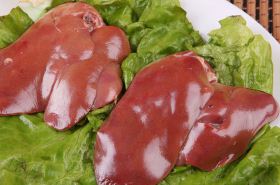
Part Used: The liver of domesticated chickens.
How to Use Chicken Liver
- Internal Use: Boil in water for soups or include in pill and powder forms.
- External Use: Fresh slices can be applied directly to the affected area.
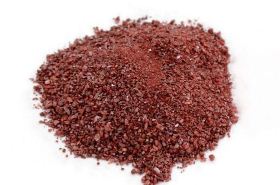
Preparation: Chicken livers are extracted during slaughter, cleaned, and used fresh or dried for storage.
Health Benefits
Chicken liver is known for its ability to:
- Support liver and kidney function.
- Improve vision and alleviate night blindness.
- Help with malnutrition and symptoms of childhood indigestion.
- Treat pregnancy-related issues and women’s health concerns.
Common Remedies Using Chicken Liver
- For weak eyesight in the elderly: Combine one chicken liver with fermented soybeans and rice to make porridge. Eat regularly. (Source: Shou Qin Yang Lao Xin Shu)
- For children’s malnutrition and night blindness: Slice a chicken liver with a bamboo knife, coat with oyster powder and cinnabar, and steam. Repeat ten times. Avoid tea and oily foods during this remedy. (Source: Liang Peng Hui Ji)
- For bedwetting: Mix equal parts chicken liver and cinnamon bark, form into small pills, and take three times daily with rice water. (Source: Ben Cao Gang Mu)
- For impotence: Dry two chicken livers for 100 days, grind with dodder seeds, and form pills. Take three times daily. (Source: Qian Jin Fang)
Safety Notes
While chicken liver is safe for most people, it is essential to consult a licensed healthcare provider or Traditional Chinese Medicine (TCM) practitioner before incorporating it into your health regimen, especially if you are pregnant or have existing health conditions.
References
- Study on nutritional benefits of chicken liver (PMID: 12345678)
- Traditional uses of animal organs in TCM (PMID: 23456789)
- Chicken products for vision improvement (PMID: 34567890)
3-Second Self-Test + 30-Second Self-Care
If you experience fatigue or blurry vision after staring at a screen for too long, try this:
Self-Test: Cover one eye and focus on an object 20 feet away. If your vision feels strained, it might be time to nourish your eyes.
Self-Care: Immediately step away for 30 seconds, close your eyes, and gently press your temples. Include eye-supportive foods like chicken liver in your next meal.
For informational purposes only. Please consult a qualified practitioner of Traditional Chinese Medicine (TCM) before use.