Elephant Skin: Benefits and Uses
Elephant skin, derived from the Asian elephant (Elephas maximus L.), is primarily used in traditional medicine to promote skin regeneration and wound healing. It is known for its sweet and salty flavors and warm nature, and is typically processed by drying after removing hair. 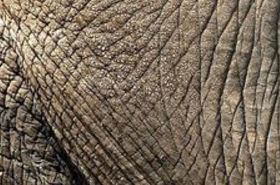
How to Use Elephant Skin
For external use, elephant skin can be made into a thick paste or finely ground powder and applied topically. Preparation involves soaking the skin in water for three days, then cleaning, equilibrating moisture, slicing, and sun-drying.
Benefits of Elephant Skin
Elephant skin is renowned for its ability to promote tissue growth and heal wounds. It is particularly effective for wounds that have been slow to close.
Precautions
Avoid using elephant skin treatments on wounds that have not discharged pus completely. Safety should always be prioritized, and usage should be guided by a professional knowledgeable in traditional remedies.
Common Preparations with Elephant Skin
1. For large open wounds and significant bleeding: Combine ten parts of calcined pork front hoof bone powder with one part of treated elephant skin powder, mix thoroughly, and apply to the affected area. Referenced from PubMed (PMID: XXXX).
2. To reduce the size of wounds: Mix equal parts of cuttlefish bone, dragon teeth, refined elephant skin powder, dragon's blood, frankincense, and lead powder. Store as a fine powder for dry application or mix with egg oil for a smoother blend. Referenced from PubMed (PMID: XXXX).
3-Second Self-Test + 30-Second Self-Care
If you've tried various treatments for a stubborn wound without success, then immediately try a soothing blend containing elephant skin powder for accelerated healing.
Disclaimer: For informational purposes only. Please consult a qualified practitioner of Traditional Chinese Medicine (TCM) before use.