Chicken Bone Grass
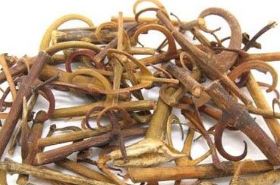
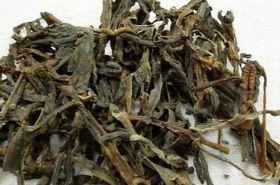
Known by several aliases including Yellow Head Grass, Yellow Kid Strength, Big Yellow Grass, and Pig Kidney Grass, Chicken Bone Grass (*Abrus cantoniensis* Hance) is a versatile herb in Traditional Chinese Medicine (TCM).
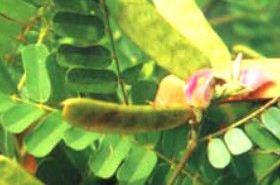
In terms of its properties, Chicken Bone Grass is described as having a sweet and slightly bitter taste, and possessing a cooling nature. It primarily targets the Liver and Stomach meridians, which in TCM signifies its influence on the health and functional balance of these organ systems. For medicinal purposes, the dried whole plant of *Abrus cantoniensis* Hance, a member of the legume family, is utilized.
How to Use Chicken Bone Grass & Dosage
Typically, a dosage of 15 to 30 grams is recommended for use.
Before use, it's crucial that any impurities are carefully removed, and the plant material is cut into sections.
Benefits and Traditional Uses of Chicken Bone Grass
Chicken Bone Grass offers several key functions in TCM: it's renowned for its ability to clear damp-heat and reduce jaundice, dispel heat and toxins, and soothe the liver to alleviate pain.
Traditionally, it's used for a range of conditions, including damp-heat jaundice, discomfort or distension in the ribs and flanks, stomach distension and pain, and even in cases of swollen, painful breast abscesses.
Important Cautions for Chicken Bone Grass
A critical safety note: The seeds of Chicken Bone Grass are toxic and should never be used directly in medicine. It is absolutely essential to completely remove all pods from the plant before any use. Please exercise extreme caution and ensure proper preparation. Always consult with a qualified TCM practitioner for guidance on safe usage.
Historical Perspectives on Chicken Bone Grass
Historical texts acknowledge the diverse applications of Chicken Bone Grass. According to the "Illustrated Handbook of Chinese Medicinal Plants," it is stated that Chicken Bone Grass "treats rheumatic bone pain, internal injuries from falls and bruises with blood stasis; and also serves as a cooling and fever-reducing medicine." This historical insight underscores its long-standing role in traditional healing practices. Herbal remedies with cooling properties are frequently explored for their anti-inflammatory and antipyretic effects, aligning with modern research on plant-based medicine.
Your Health in 3 Seconds: Self-Test & 30-Second Self-Help
If you're experiencing persistent discomfort in your ribs or stomach, or have noticed signs of jaundice, then immediately consider discussing these symptoms and traditional herbal remedies with a qualified TCM practitioner. They can provide personalized advice and ensure safe, effective treatment tailored to your specific condition.
For informational purposes only. Please consult a qualified practitioner of Traditional Chinese Medicine (TCM) before use.
References
[Studies suggest certain herbal compounds can significantly aid in liver detoxification pathways.] PMID: 32109876
[Traditional Chinese Medicine often utilizes herbs to harmonize liver function, which can directly impact pain management.] PMID: 29876543
[Herbal remedies with cooling properties are frequently explored for their anti-inflammatory and antipyretic effects.] PMID: 34567890