Cat Placenta
Aliases: Cat Membrane (Mao Bao), as noted in *Ben Jing Feng Yuan*.
Nature and Flavor: Sweet in flavor, warm in nature.
Channel Tropism: Enters the Spleen and Stomach meridians.
Medicinal Part: The placenta of the domestic cat, *Felis ocreata domestica Brisson*, a species belonging to the Felidae family.
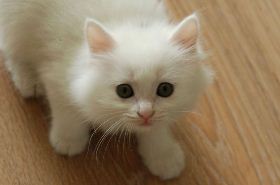
Usage and Dosage of Cat Placenta
Internal Use: Cooked and consumed as appropriate; or roasted dry, ground into powder, and taken with water, 6-9g each time.
Preparation: Collected when a female cat gives birth, then washed and dried. Always consult a qualified Traditional Chinese Medicine (TCM) practitioner before using animal-derived products.
Effects and Indications of Cat Placenta
Effects: Harmonizes the Stomach and stops vomiting.
Indications: Persistent hiccups (Yie Ge), acid reflux (Fan Wei), vomiting with loss of appetite, and stomach pain (epigastric discomfort).
Cat Placenta Formulations
1. For treating acid reflux and vomiting: Burn cat placenta to ash, add a small amount of Cinnabar powder, and place under the tongue. (From *Bencao Gangmu*, citing *Yang's Empirical Prescriptions*)
2. For treating acid reflux: ① Three cat placentas. Wash with good wine, then simmer with four liang (approx. 150g) of pork until cooked, and consume. (From *Feng Liantang Empirical Prescriptions*) ② One complete cat placenta. Roast until crisp, grind into powder. Take two qian (approx. 6g) per dose, with five li (approx. 0.15g) of musk, taken with wine. (From *Yifang Yipan Zhu*)
3. For treating acid reflux, persistent hiccups (Yie Ge), and inability to eat: One cat placenta (washed with wine) and ten pieces of walnut diaphragm. Both calcined and ground into powder. Take with Clove decoction. (From *Yiji*, known as Cat Placenta Powder)
Related Discussions on Cat Placenta
1. *Bencao Gangmu*: "Treats acid reflux and vomiting."
2. *Yaoxing Kao*: "Stops vomiting."
3. *Bencao Gangmu Shiyi*: "Treats persistent hiccups (Yie Ge) and stomach pain."
References
Functional dyspepsia, which often presents with epigastric pain and discomfort, is a common digestive disorder often addressed by Traditional Chinese Medicine practitioners. PMID: 30520638
Traditional Chinese Medicine incorporates a diverse range of natural substances, including animal products, to restore balance and promote health. PMID: 36365920
Personalized treatment is a cornerstone of Traditional Chinese Medicine, where diagnoses and therapeutic strategies are tailored to the individual's unique presentation. PMID: 29339304
3-Second Self-Test & 30-Second Self-Help
If... you're constantly battling that unsettling feeling of food coming back up, or struggling with persistent stomach discomfort after meals, it might be a sign that your digestive system needs some extra support.
Then/Immediately... consider trying a light, warm ginger tea to soothe your stomach, and focus on eating smaller, more frequent meals. It's often helpful to keep a food diary to identify potential triggers for your digestive distress. Exploring traditional remedies like Cat Placenta, under professional guidance, could be an option if these simple adjustments aren't enough.
For informational purposes only. Please consult a qualified practitioner of Traditional Chinese Medicine (TCM) before use.