Bottle Gourd Peel
Taste: Sweet. Nature: Neutral (neither warming nor cooling).
Channels Entered: Heart, Small Intestine.
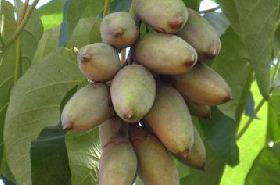
Medicinal Part: This traditional Chinese medicine utilizes the dried, mature peel of the fruit from the bottle gourd plant, Lagenaria siceraria (Molina) Standl., a member of the Cucurbitaceae family.

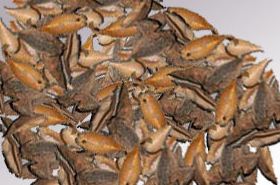
Characteristics: Bottle Gourd Peel typically presents as irregular flakes or chunks, approximately 4 cm in length, with a peel thickness ranging from 0.5 to 1.8 cm. Its outer surface is grayish-yellow to light brownish-yellow, smooth, and notably firm. The inner surface and cut sections appear yellowish-white to pale yellow and have a somewhat softer texture. This herb is lightweight, possesses a faint aroma, and offers a bland taste.
How to Use Bottle Gourd Peel (Dosage and Preparation)
Dosage: Typically, 9 to 15 grams is recommended.
Preparation: The raw herb should first have any impurities removed and then be broken into manageable chunks. Alternatively, it can be thoroughly washed, moistened until fully rehydrated, sliced into thick pieces, dried, and then sieved to remove any fine dust.
Benefits and Traditional Uses of Bottle Gourd Peel
Traditional Actions: In Traditional Chinese Medicine, Bottle Gourd Peel is primarily known for its ability to promote urination and reduce swelling.
Main Indications: It's commonly used to address various forms of edema, including puffiness of the face and eyes, generalized bodily swelling, abdominal distention (ascites), and swelling of the legs.
Traditional Formulas Featuring Bottle Gourd Peel
1. (From Modern Practical Chinese Materia Medica) For conditions such as nephritis, difficulty with urination, and widespread bodily swelling, a classic formula combines 18g each of Bottle Gourd Peel, watermelon rind, and cogongrass root, alongside 12g of corn silk, and 90g of adzuki beans. This mixture is decocted in water and taken in three divided doses daily. In this particular formula, Bottle Gourd Peel is considered the chief herb, powerfully promoting urination and alleviating swelling.
2. (From Zhai Yuan Fang) To treat traumatic injuries like those from falls, a preparation calls for 30g each of Bottle Gourd Peel and genuine oxhide glue. These ingredients are stir-fried in a pot until charred but still retaining their intrinsic properties, then ground into a fine powder. A dose of 15g is taken with warm, good quality wine, followed by another glass of wine, and the patient is encouraged to cover up warmly to induce a slight sweat. Here, Bottle Gourd Peel acts as the chief herb, working to reduce swelling and relieve pain.
3. (From Sheng Sheng Bian) For lower back pain resulting from injury, Bottle Gourd Peel is prepared by charring and grinding it into a powder. A small dose of 3g is then taken with wine. In this remedy, Bottle Gourd Peel again serves as the chief herb, targeting swelling and pain relief.
References
Scientific exploration supports the traditional use of Lagenaria siceraria for its anti-inflammatory effects. PMID: 23625345
Studies have indicated the diuretic potential of bottle gourd extracts, aligning with its TCM functions. PMID: 22610260
A comprehensive review highlights the traditional uses, phytochemistry, and pharmacology of Lagenaria siceraria. PMID: 26058917
Wondering if Bottle Gourd Peel is Right for You?
3-Second Self-Test: Feeling sluggish with unexplained puffiness around your eyes, hands, or ankles? Do you experience discomfort from abdominal bloating or a general feeling of heaviness?
30-Second Self-Rescue: If you nodded yes, then immediately consider discussing these symptoms with a qualified Traditional Chinese Medicine (TCM) practitioner to see if Bottle Gourd Peel could be a natural, gentle support for you. It's also a smart move to review your daily sodium intake and ensure you're hydrating properly with clean water.
For informational purposes only. Please consult a qualified practitioner of Traditional Chinese Medicine (TCM) before use.