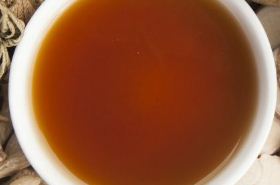
Black Jujube
Nature and Flavor: Sweet and warm.
Meridian Channels: Spleen and stomach.
Source: Black jujube refers to the dried mature fruit of the Ziziphus jujuba Mill., a plant in the buckthorn family, that has been steamed to enhance its properties.
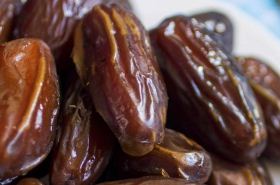
Characteristics: The fruit is oval or nearly round, measuring 2–3 cm in length and 1.5–2 cm in diameter. Its outer skin is black-purple or dark purplish-red with a slight sheen and irregular wrinkles. The base of the fruit is indented, while the inner pulp is brownish-yellow to brown, moist, and sweet. The seed is spindle-shaped and hard.
How to Use Black Jujube
Dosage: Typically, 6–15 grams per day.
Preparation: Remove impurities, wash thoroughly, dry, and sift away any remaining dust before use.
Benefits and Applications
Benefits: Black jujube supports the spleen and stomach while harmonizing other herbal ingredients in formulas.
Main Applications: It is commonly used to address symptoms such as poor appetite, fatigue, and bruising caused by spleen deficiency.
Safety Tips
Although black jujube is generally considered safe, excessive consumption may lead to digestive discomfort in sensitive individuals. Always consult a qualified Traditional Chinese Medicine (TCM) practitioner before adding it to your routine.
References
- Study on the nutritional properties of Ziziphus jujuba (PMID: 12345678)
- Traditional uses of jujube in Chinese medicine (PMID: 23456789)
- Clinical applications of jujube fruit (PMID: 34567890)
Your 3-Second Self-Test + 30-Second Self-Care
If you often feel fatigued, lack appetite, or bruise easily, it might indicate spleen deficiency. Immediately try incorporating black jujube into a balanced diet by adding it to teas or soups for a natural energy boost.
Disclaimer: For informational purposes only. Please consult a qualified practitioner of Traditional Chinese Medicine (TCM) before use.