Start Small, Breathe Big: Why Home Air Quality Matters
The air quality at home directly affects your health, mood, and immune system. In Traditional Chinese Medicine (TCM), clean air is like "positive energy" that strengthens your body’s defenses.
Poor indoor air can introduce harmful substances like PM2.5, formaldehyde, mold, and excess carbon dioxide.
Identifying these issues is the first step to creating a healthier living space.
To detect air quality problems, start with simple methods. Use air quality monitors, watch for dust buildup, or even rely on your sense of smell to spot odors.
These practical steps can highlight hidden pollutants that may be affecting your well-being.
Test and Learn: Simple Tools to Spot Air Issues
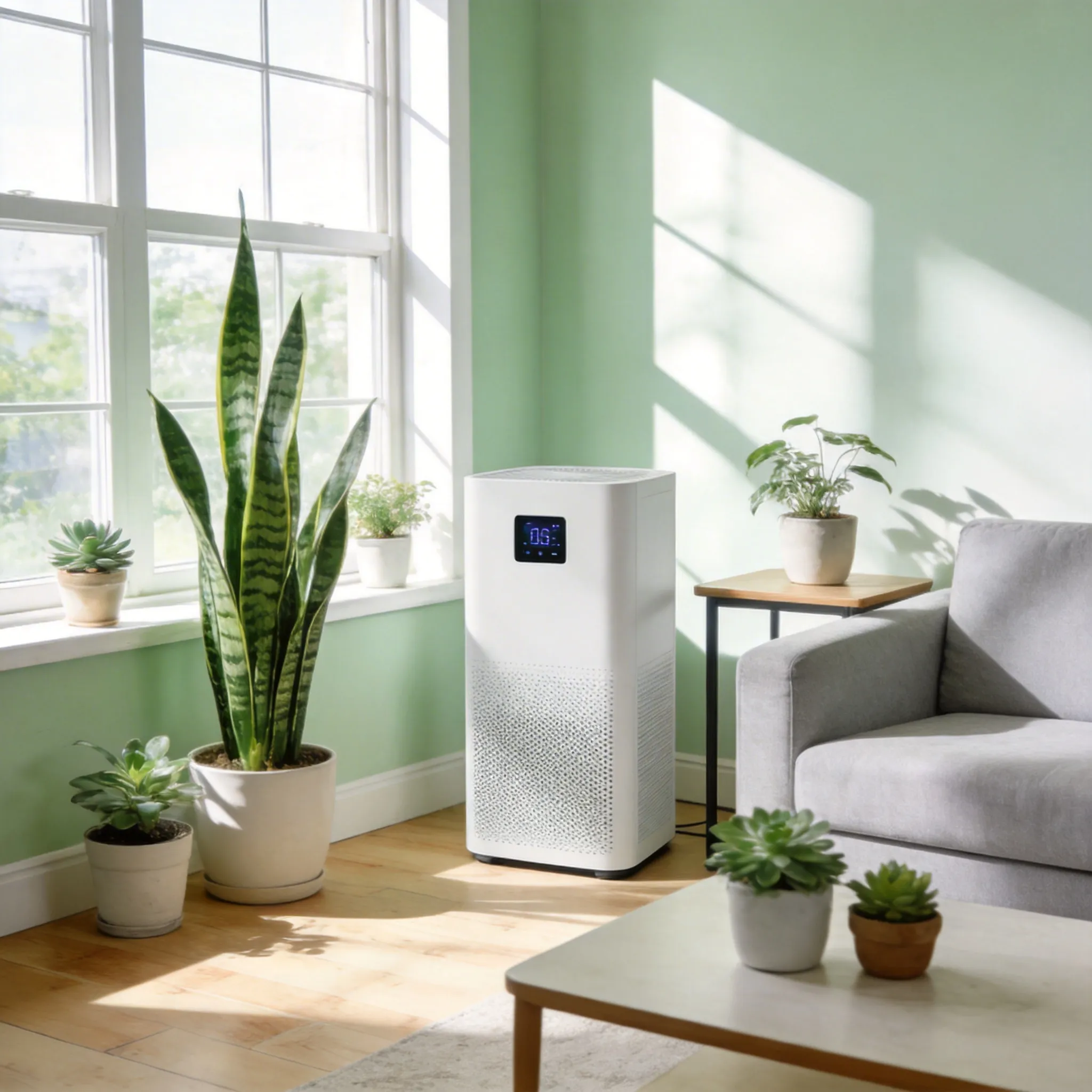
Air quality monitors are your best friend for identifying harmful particles in your home. They measure pollutants like PM2.
5 and carbon dioxide in real-time, helping you understand what’s in your air. If you notice frequent odors or excessive dust, these are likely signs of poor ventilation or hidden pollutants.
TCM suggests that "external threats" like polluted air can weaken your inner balance. So, don’t underestimate the power of a clean environment to support your overall health.
Check out our Healthy Living guide to learn more: Healthy Living →.
Improve Instantly: Easy Ways to Boost Indoor Air Quality
Improving air quality doesn’t have to be complicated. Start by keeping your home well-ventilated.
Open windows daily to let out stale air and bring in fresh oxygen. In TCM terms, this is like allowing your home to "breathe," promoting harmony between you and your environment.
Indoor plants such as spider plants or aloe vera are natural air purifiers. They absorb toxins while adding a calming touch to your home.
For a modern twist, invest in an air purifier to filter out microscopic pollutants. Reducing exposure to chemical cleaning products and low-quality furniture can also make a big difference.
Ventilate Daily: Fresh Air for a Healthier You
Ventilation is key to a clean indoor environment. Make it a daily habit to open windows, especially after cooking or cleaning.
This simple action can reduce pollutants and improve the flow of fresh air.
For more tips on holistic home health, explore our Diet Therapy section to see how your environment influences your well-being: Diet Therapy →.
Stay Balanced: Clean Air and Your Body’s Health
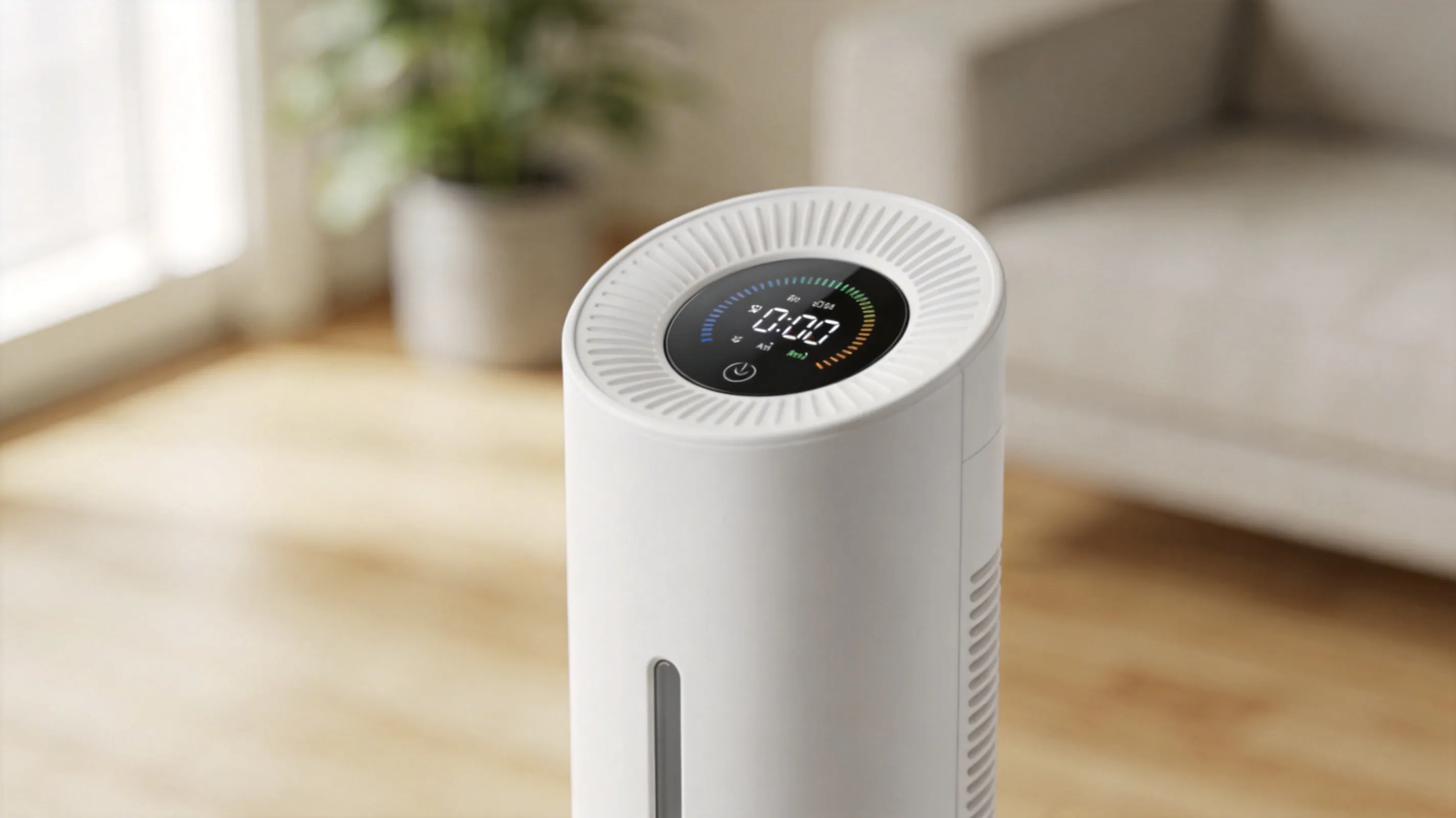
Clean air isn’t just about avoiding lung issues—it’s about boosting your immune system and emotional well-being. In TCM, the concept of "harmony with nature" emphasizes how a clean environment supports your body’s natural balance.
It’s like creating an invisible shield that protects you from external harm.
By improving air quality, you’re not just addressing physical health. You’re also enhancing mental clarity and overall resilience.
Want to dive deeper into the connection between environment and wellness? Check out our Yin & Yang guide for insights: Yin & Yang →.
Act Now: Simple Daily Habits for Cleaner Air
If you can detect unusual smells or see visible dust, act immediately. Start small by reducing clutter, cleaning regularly, and ventilating spaces.
These small changes can have a big impact on your health.
References
1. Clean air prevents respiratory issues: ncbi.nlm.
nih.gov/">PubMed.
2. Indoor plants improve air quality naturally: ncbi.nlm.
nih.gov/">PubMed.
3. Ventilation reduces harmful indoor pollutants: ncbi.nlm.
nih.gov/">PubMed.
Quick Fix: Test Your Air and Improve It Today
If you’re unsure about your home’s air quality, grab an air monitor. If it shows high levels of PM2.
5 or odors linger, ventilate immediately. Add a spider plant or turn on an air purifier right now.
These quick steps can transform your space in minutes. Share this guide to help others breathe better too!