Wutou Chishizhi Wan: Uses, Benefits, and Safety Guide
Wutou Chishizhi Wan is a traditional Chinese herbal pill used for intense chest pain that can shoot through to the back, back pain that reaches into the chest, and cold-related circulation issues around the heart with cold hands and feet. In Traditional Chinese Medicine (TCM), it’s mainly used when cold is believed to block the heart vessels and disturb normal blood flow and vital energy.
What Is in Wutou Chishizhi Wan?
Traditional formula composition (by weight):
- 14 grams Sichuan pepper (dried fruit)
- 7.5 grams processed aconite root (Wutou)
- 7 grams processed monkshood/aconite lateral root (Fuzi)
- 14 grams dried ginger
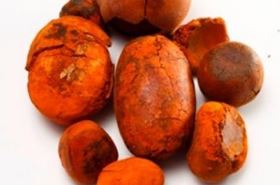
- 14 grams red halloysite clay (often called red clay mineral in TCM)
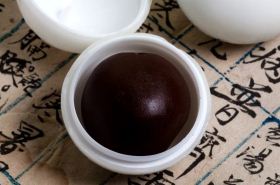
In the original TCM text, these five ingredients are finely ground into a powder and then mixed with honey to form small pills, each roughly the size of a firm little pellet (traditionally described as the size of a Chinese parasol tree seed).
Traditional Dosage and How It Was Taken
Classic usage method:
- Take 1 small pill before meals.
- Use three times per day.
- If there is no noticeable effect at first, the historical instruction is to increase the dose slightly.
Important modern note: This traditional dosing method is not directly transferable to modern home use. The formula contains potent and potentially toxic herbs, especially processed aconite. Any actual dosage today must be carefully adjusted, standardized, and supervised by a licensed TCM practitioner who understands both classical texts and modern safety data.
What Does Wutou Chishizhi Wan Traditionally Treat?
According to Traditional Chinese Medicine theory, Wutou Chishizhi Wan is used when cold constricts the heart vessels and disrupts normal movement of vital energy and blood circulation. The classic indications include:
- Severe chest pain that penetrates to the back – a heavy, gripping, or stabbing pain in the chest that you can feel through to your spine.
- Back pain that penetrates to the chest/heart area – pain between the shoulder blades or upper back that feels connected to the chest or heart region.
- Cold congealing in the heart channels – in TCM terms, cold is thought to tighten and block the pathways that carry vital energy and blood to the heart, leading to pain and a sense of tightness or constriction.
- Cold hands and feet – chronically cold extremities that accompany the chest or back pain suggest poor circulation and cold affecting the whole system.
In modern language, this formula is traditionally aimed at patterns that TCM describes as cold-induced poor circulation around the heart and upper back, with intense pain and icy extremities. It is not a general painkiller and is not intended for every type of chest discomfort.
How the Ingredients Are Thought to Work in TCM Logic
While the original text is brief, the roles of the ingredients are understood in TCM theory roughly as follows:
- Processed aconite root (Wutou) and processed Fuzi – considered very hot and powerful. Traditionally used to warm the body deeply, unblock painful channels, and support the heart and kidney yang (warming aspect of body function). They are also the main toxicity concern.
- Dried ginger – warms the interior, supports digestion, and helps move vital energy so that warmth spreads through the body more evenly.
- Sichuan pepper – spicy and warming, helps dispel cold, promotes circulation, and supports the movement of vital energy and blood.
- Red halloysite clay (red clay mineral) – traditionally used to stabilize and protect the inner body, helping to anchor the effect of the other herbs and protect the digestive system.
Put together, the formula aims to warm the interior, open the channels around the heart and back, and restore smoother blood circulation and vital energy flow in cold-induced chest and back pain patterns.
Critical Safety Information (Please Read Before Considering Use)
Wutou Chishizhi Wan is built around processed aconite products, which are among the most tightly controlled herbs in TCM because of their potential toxicity. Historically, proper processing and careful boiling reduced the toxic alkaloids. Even then, they were only used under expert supervision.
- Do not self-prescribe or home-compound this formula. Raw or improperly processed aconite can cause serious heart rhythm problems, numbness, dizziness, low blood pressure, and can be life-threatening. (PMID: 26948000)
- Do not use this formula as a substitute for emergency care. Sudden chest pain, chest pressure, shortness of breath, jaw or arm pain, or sudden back pain can signal a heart attack or aortic dissection and requires immediate emergency medical attention.
- High-risk groups: People with heart disease, arrhythmias, low blood pressure, pregnancy, breastfeeding, severe liver or kidney disease, or those taking heart or blood pressure medication should avoid aconite-containing formulas unless carefully co-managed by both a cardiologist and an experienced TCM doctor.
- Form matters: Modern clinical use (when appropriate) usually relies on standardized, safely processed aconite in decoctions or granules with tightly controlled dose and cooking time, not on homemade pills.
If you see this formula mentioned in an old text or online, treat it as a historical and highly specialized prescription, not as a do-it-yourself remedy.
Modern Research Touchpoints
While Wutou Chishizhi Wan as a complete formula is mainly known from classical records, some of its core ingredients have been studied in modern research:
- Aconite alkaloids and the heart: Studies show that improperly processed aconite can affect cardiac ion channels and cause arrhythmias, which is why strict processing and dose control are essential. (PMID: 26948000)
- Ginger and circulation: Research suggests that ginger components may support circulation and have anti-inflammatory and antioxidant effects, which aligns with its traditional use to warm the interior and move blood. (PMID: 30404002)
- Spices like Sichuan pepper: Compounds in pungent spices have been investigated for effects on blood vessels and pain perception, supporting their traditional role in promoting circulation and relieving discomfort. (PMID: 32796563)
These studies do not prove that Wutou Chishizhi Wan treats any specific modern disease, but they help explain why warming, circulation-focused herbs were historically combined for cold-type chest and back pain patterns.
When to Talk to a Professional About This Formula
Because of its potency and risk profile, this is a formula that belongs strictly in the hands of experienced professionals. You might discuss Wutou Chishizhi Wan with a licensed TCM practitioner if:
- You have long-term, medically evaluated chest or upper back discomfort that your cardiologist has already ruled out as an emergency condition.
- You tend to feel very cold, especially in the hands and feet, and your symptoms clearly worsen with cold exposure.
- You’re interested in how classical TCM formulas for cold-induced chest pain are understood today and whether there are safer, modern-adjusted alternatives more appropriate for your situation.
A responsible TCM practitioner may choose completely different and safer formulas, or modern modifications, based on your pattern, Western diagnosis, and overall health.
3-Second Self-Test + 30-Second Self-Care
3-second self-test:
If your chest or upper back pain is sudden, intense, or new – especially if it comes with shortness of breath, sweating, nausea, or pain in your jaw, neck, or arm – then immediately call emergency services or go to the ER. Do not wait to see if an herbal remedy helps.
30-second self-care check-in:
If your doctor has already ruled out emergencies but you often feel cold with mild, recurring chest or upper back tightness, then immediately:
1) Make a quick note of when the discomfort happens (weather, time of day, activity).
2) Check your hands and feet for temperature and color.
3) Schedule a consultation with both your primary care provider and, if you’re interested in TCM, a licensed TCM practitioner to review your pattern and discuss safe, individualized options.
Disclaimer: For informational purposes only. Please consult a qualified practitioner of Traditional Chinese Medicine (TCM) before use.