Wuling San
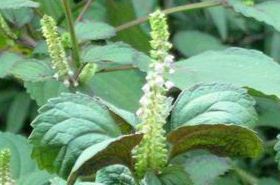
At the core of Wuling San, Poria (Fuling) and Alisma (Zhuling) are key. These sweet and bland herbs target the Lung meridian, which helps regulate water passages, and directly support bladder function as the primary agents. Alisma (Zexie), with its dry and salty nature, works with the Kidneys and Bladder to further enhance diuresis and eliminate dampness, serving as a powerful assistant. Supporting them is White Atractylodes (Baishu), which strengthens the Spleen's vital role in moisture regulation and effectively dries dampness. Finally, Cinnamon Twig (Gui Zhi) acts as a guiding herb, dispelling external wind-cold from the Taiyang meridian (the most superficial layer of the body) and, internally, warming and invigorating the bladder's Qi transformation – a crucial process for fluid metabolism. This carefully balanced blend effectively strengthens the Spleen, resolves dampness, vitalizes Qi transformation, and promotes healthy fluid excretion. This makes Wuling San a versatile remedy for conditions where the Spleen's function is sluggish, leading to internal dampness accumulation, and the bladder's ability to transform fluids is compromised. It's effective whether these symptoms arise with or without external signs of imbalance.
Wuling San: Usage and Dosage
Composition: Alisma (Zexie), Poria (Fuling), Polyporus (Zhuling), Cinnamon Bark (Rou Gui), Fried White Atractylodes (Chao Baishu).
Directions: Oral administration, 1 sachet per dose, 3 times daily.
While Wuling San is a well-established formula in Traditional Chinese Medicine (TCM), it's crucial to consult a qualified TCM practitioner for proper diagnosis and personalized dosage. Self-treating with herbal formulas can be risky, and a professional can ensure it's appropriate for your specific condition and doesn't interact with other medications you might be taking.
Wuling San: Benefits and Indications
Benefits: Its primary benefits include warming Yang energy to facilitate Qi transformation, effectively resolving dampness, and promoting healthy fluid circulation. This traditional formula works to restore the body's natural balance in fluid metabolism PMID: 28839070.
Indications: Wuling San is traditionally indicated for edema stemming from insufficient Yang energy to transform fluids and the internal accumulation of dampness. This often manifests as difficult urination, abdominal bloating due to fluid retention, nausea or vomiting, diarrhea, and a peculiar thirst where you don't actually feel like drinking. Research has explored its potential in managing various forms of edema, including those associated with kidney conditions PMID: 23689626 and even cerebral edema in clinical settings PMID: 25906325.
Quick Self-Test & Immediate Self-Care Tips
If... you're consistently feeling bloated, experiencing difficult or scanty urination, and have a unique thirst where you feel dry but don't want to drink much.
Then/Immediately... consider these signs of internal dampness accumulation. Discuss Wuling San with a qualified TCM practitioner for a proper diagnosis and personalized treatment plan. In the meantime, immediately try to reduce your intake of cold, raw foods and sugary drinks, as these can exacerbate dampness and further burden your Spleen.
Important Disclaimer:
For informational purposes only. Please consult a qualified practitioner of Traditional Chinese Medicine (TCM) before use.
References:
Comprehensive review on Wuling San's mechanisms of action for edema management. PMID: 28839070
Study on the effects of Wuling San on renal tubule cells in rats with nephrotic edema. PMID: 23689626
Clinical efficacy and safety of Wuling San in treating cerebral edema. PMID: 25906325